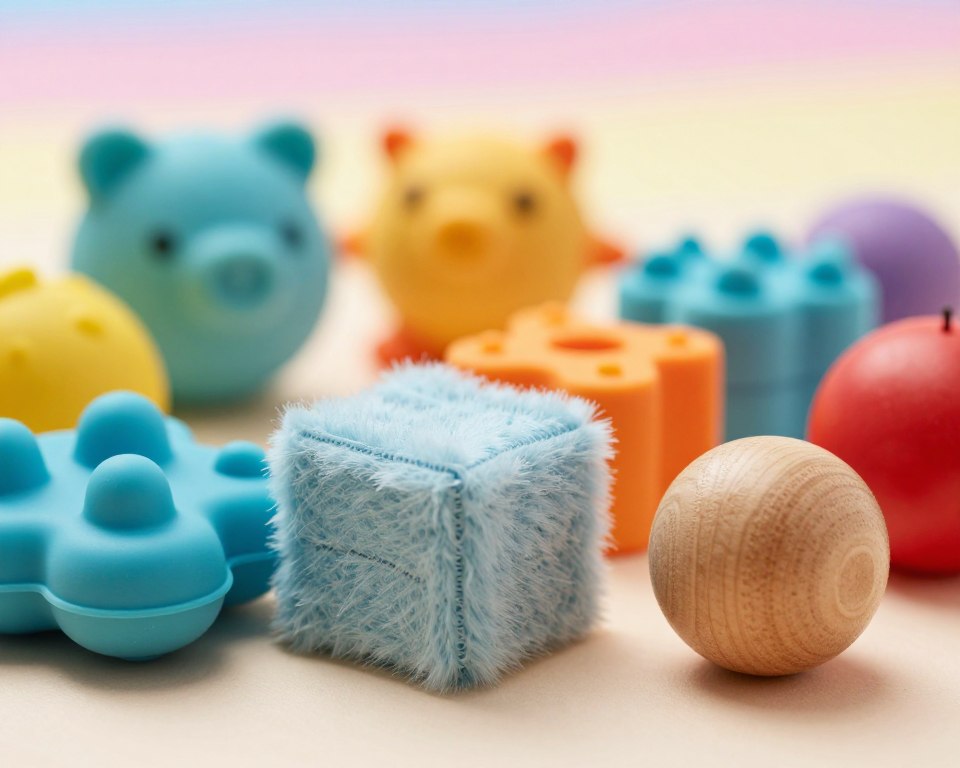
Maria Montessori once said, “The hands are the instruments of man’s intelligence.” That simple truth captures the magic of childhood exploration. When your little one reaches out to touch the world, they’re not just playing—they’re building their mind.
Choosing the right play materials can feel overwhelming. You want items that are engaging, durable, and truly supportive. This guide focuses on those carefully designed tools that offer rich tactile experiences while prioritizing well-being.
Remember the wonder in your child’s eyes when they discover something new? That moment is priceless. The right materials transform simple play into powerful learning moments. They help build neural pathways, strengthen fine motor control, and provide calming input.
We’ve created this resource as your trusted companion. It blends traditional wisdom with modern developmental science. You’ll find practical advice, age-appropriate picks, and DIY solutions here. Our goal is to empower you to make choices that nurture growing minds and honor our planet.
Key Takeaways
- Tactile play provides essential data for brain development.
- Quality materials support fine motor skills and self-regulation.
- Thoughtfully chosen items can be calming and engaging.
- This guide offers strategies for all children, including those with unique needs.
- You’ll discover recommendations that merge heritage craftsmanship with eco-friendly values.
- Simple household objects can become powerful learning tools.
- Play is the serious work of childhood.
What Are Sensory-Safe Toy Textures?
Think of them as tiny landscapes for tiny fingers, each surface offering a new discovery. These carefully designed play materials provide meaningful tactile experiences. They meet rigorous standards for non-toxic materials, durability, and age-appropriate sizing.
These special items target your child’s somatosensory system. That’s the network of receptors in their skin and joints. It detects everything from gentle pressure to vibration and temperature changes.
There’s a key difference between a random object and an intentionally designed tool. The best ones deliver specific, repeatable input. They have clear developmental goals like matching, sorting, or simply exploring.
This thoughtful design invites self-directed exploration. When your little one initiates contact on their own terms, they have more positive physical and emotional responses. They also integrate sensations more effectively.
Bright, inviting hues and interesting shapes naturally draw children in. This makes learning through touch feel like magical play. The safety aspect is paramount—these items are vetted for choking hazards and made with your child’s well-being as the top priority.
This beautiful concept connects time-tested educational philosophies with modern sensory science. It shows how thoughtful design aligns perfectly with what we now understand about brain development.
Benefits of Sensory Play and Texture Exploration
You’ve likely seen that look of focused wonder when your little one explores something by hand—that moment is where growth happens. This sensory play does far more than keep them busy. It builds essential neural maps that power fine motor control and even early language development.
When children feel a bumpy shell or a silky ribbon, they connect words to real-world sensations. This makes vocabulary stick. Terms like “rough” or “smooth” become deeply meaningful, creating robust memory traces.
These traces later support academic skills, from reading comprehension to science exploration. The combination of touch and language is a powerful learning tool.
Predictable tactile activities also help with emotional regulation. They offer a calming outlet for big feelings. Kids learn to process overwhelm and develop healthy coping strategies.
Sharing textured materials fosters social development. Children practice taking turns and communicating discoveries. This nurtures confidence and essential skills.
You’ll witness your child becoming more capable through these hands-on activities. They sharpen their ability to plan movements. This holistic approach nurtures the whole child—mind, body, and spirit—through simple, meaningful play.
How Sensory Safe Toy Textures Build the Brain
Watching a young brain rewire itself through play is one of parenting’s most hopeful experiences. The magic happens just beneath the surface, where every exploration builds capability.
Each grasp, press, and slide across a material activates thousands of receptors in your child’s skin and joints. These signals travel to the brain’s sensory cortex, creating a detailed map of the world.
Repeated, patterned touch sharpens this neural map. Think of it like a photographer adjusting focus—your child’s brain learns to “see” with stunning clarity through their fingertips.
This refined perception directly fuels everyday skills you’ll celebrate:
- Holding utensils and crayons with proper control
- Drawing shapes and writing letters with intention
- Buttoning clothes and managing fasteners independently
- Exploring new spaces with confidence and care
Improved discrimination—telling surfaces apart—leads to better motor planning. Your child learns instinctively how much force to use and which grip works best.
They also develop prediction. They can anticipate how materials will behave, which reduces frustration and builds problem-solving ability.
The best part? This profound development unfolds naturally through joyful play, not pressure. You’re offering the foundational experiences that build capable, confident learners.
Choosing the Right Textures for Different Sensory Needs
Navigating your child’s sensory preferences might feel like learning a new language—one spoken through touch and comfort. Every youngster is beautifully unique. Some kids crave intense tactile input, seeking out rough or bumpy surfaces. Others need gentle, predictable materials that feel soothing.
For children with autism, predictable experiences are key. Low-clutter tactile activities with clear beginnings and ends provide organizing input. This helps without overwhelming sensitive systems.
Youngsters with ADHD often benefit from fidget-friendly tools. These offer just enough feedback to aid concentration without distraction. It’s about finding that sweet spot between stimulation and focus.
If your little one shows tactile defensiveness, start with their preferred feel. Soft cloth or velvet is a great beginning. Build tolerance slowly—use a tool first, then a fingertip, then the full hand over weeks.
Respecting your child’s “no” builds trust and supports better integration. With patient observation and the right materials, you can create experiences that help your kid feel regulated, confident, and deeply understood.
Fidget Toys vs. Tactile Sensory Tools
The distinction between a simple fidget and a true learning tool is more important than you might think. Not all items that occupy little hands build skills equally.
True tactile sensory tools are designed with clear goals. They help children match surfaces, grade from smooth to rough, or build discrimination. This purposeful work strengthens the brain’s processing.
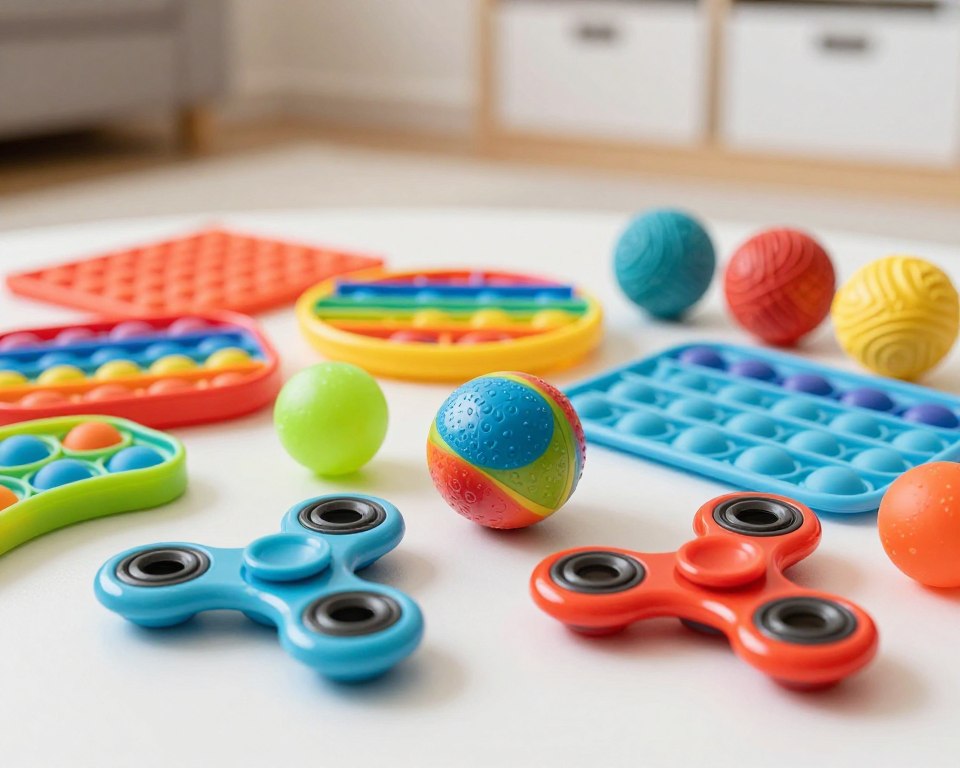
Many popular fidget toys offer constant, unfocused motion. They can become a distraction instead of a tool for growth. Structured activities invite deep, hands-on work that builds specific abilities.
Inspired by Montessori practice, present one activity on a tray. Model it once, then step back. Let repetition and self-directed exploration do the teaching.
Fidget toys absolutely have their place. They are helpful regulation tools for kids who need movement to maintain focus during seated tasks.
Choose fidget options that offer quality input. Think textured squeeze balls or smooth stones. These engage the system more meaningfully than items that just spin.
For long-term development, tactile tools with structured goals yield better results. Aim for a balanced approach. Offer both regulation-focused fidgets and developmental tools for lasting skill-building.
Montessori-Inspired Texture Activities
The secret to unlocking focused play isn’t more stuff—it’s presenting simple materials with clear purpose. These time-tested activities transform basic items into powerful learning treasures.
Each activity isolates one goal. Your child might match pairs, grade surfaces from smooth to rough, or simply explore. This clarity prevents overwhelm and builds deep concentration.
Matching and Grading Games
Start with matching. Offer two identical rough surfaces and two identical silky ones. Your child pairs them, building the vital skill of discrimination. They gain confidence identifying “same” and “different.”
Next, try grading. A series of sandpaper tablets, numbered from one (smoothest) to six (roughest), teaches ordering. Your little one sequences by intensity, naturally picking up comparison words like “rougher.”
Hands-On Learning Routines
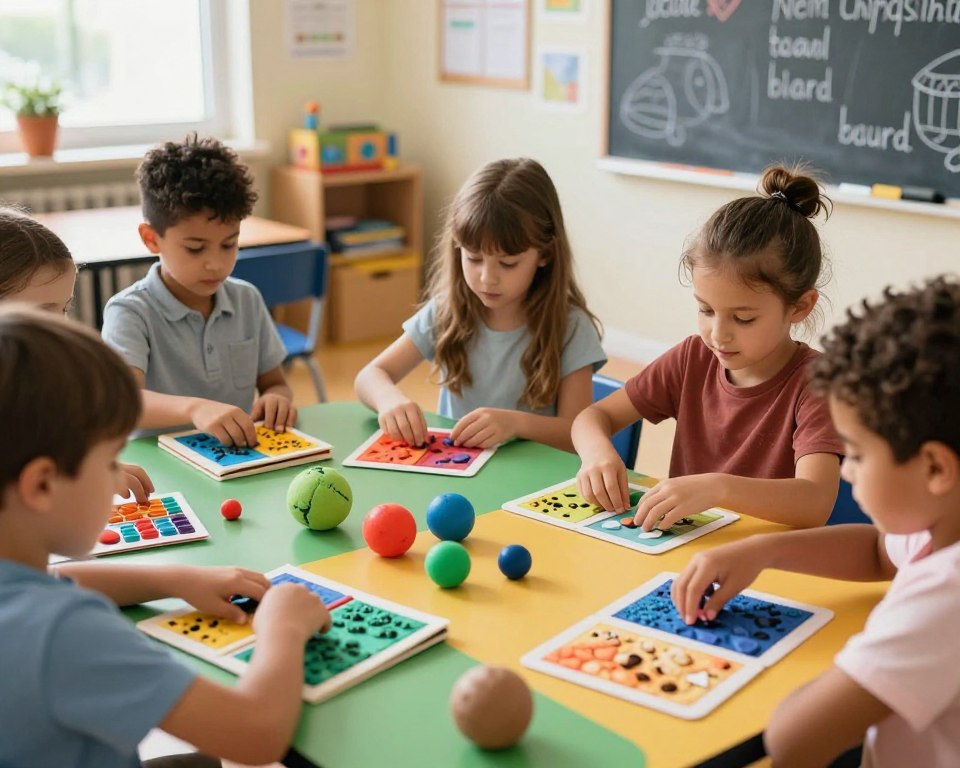
Set up a simple tray at your child‘s height. Place just 2-3 texture options on it. Model the task once in quiet focus, then invite, “Your turn.” Step back and trust the process.
Make this a cherished daily ritual. A texture tray after breakfast creates a predictable moment for exploration. Rotate materials weekly to keep interest fresh.
Always end on a note of success, not exhaustion. Show how to reset the tray. You’re celebrating the growing independence and focus you witness.
Integrating Sensory Safe Play into Daily Routines
Let’s be honest—your daily schedule is already packed. Adding another “must-do” activity can feel impossible.
The good news? Weaving enriching moments into your family’s life is about small connections, not elaborate setups. It’s about using the rhythms you already have at home.
Start by creating a simple “calm corner.” Place a basket of favorite toys on a low shelf. This makes independent choice easy for your child throughout the day.
Here’s a simple idea: build a tiny calm kit. Gather just a few items:
- Soft putty
- A square of velvet or satin
- A liquid timer
- A picture breath card
Rehearse using this kit for 2-3 minutes after snack time. When big feelings arise, this predictable sequence becomes a powerful tool.
Keep two activity trays visible in your home. Swap them every Friday. This protects novelty without creating clutter or decision fatigue.
Anchor these moments to existing routines. Try a squeeze ball during car rides. Use soft fabric swatches as part of a bedtime wind-down.
Consistency matters more than perfection. Even brief, daily sensory play builds regulatory skills and comforting predictability.
These small moments quickly become rituals your kids cherish. They transform from one more task into treasured pockets of connection and calm.
DIY Sensory Texture Toys on a Budget
What if the most powerful learning tools were already hiding in your home, waiting to be discovered? You absolutely don’t need expensive specialty gear to provide rich, quality experiences.
Everyday materials from around your house can become incredible learning tools. With a little creativity, you can craft meaningful activities that isolate one goal and make it repeatable.
Everyday Materials as Sensory Tools
Start with simple texture cards. Glue swatches of denim, felt, bubble wrap, and sandpaper onto index cards. Make two identical sets for a matching game that costs just pennies.
Another brilliant tool is the mystery bag. Fill a cotton drawstring bag with six small household items—like a spoon, a rock, or a key. Your child identifies them by feel alone, building focus and discrimination.
You can also assemble a homemade calm kit. Use a small tin to store soft putty, a square of velvet, a DIY liquid timer, and a laminated breath card. This becomes a go-to resource for self-regulation.
These projects honor the Montessori principle of using real, authentic items. They connect children to the genuine textures of their world.
Celebrate your own resourcefulness. Thoughtful intention matters far more than any price tag. These DIY options are authentic, effective, and crafted with love for your child’s specific needs.
Age-by-Age Guide to Tactile Exploration
Every child’s journey with touch unfolds at its own beautiful pace, like a unique story waiting to be told. These age guidelines are gentle signposts, not rigid rules, for your unique little one.
Infants to Toddlers
For infants 0-12 months, supervised exploration is key. Try soft books with satin pages or a warm washcloth squeeze during bath time. Combine touch with language using hand-to-foot massage rhymes.
Young toddlers 12-24 months enjoy scooping rice into pompoms. A fabric basket with a set of velvet, denim, and fleece squares invites discovery. Simple sand tray finger-drawing leaves visible traces.
Preschool to Early School Years
At 2-3 years, children can handle introductory sandpaper tablets. They learn force discrimination with soft and firm sponges. Putty presses coins, building hand strength. Simple object-to-picture matching builds connections.
From 3-6 years, capabilities expand. Advanced grading with tablets challenges them. Geoboard bands stretch around pegs. Tweezers transfer tiny beads. Mystery bag games identify items by feel alone.
Appropriate toy size and complexity matter for safety. Infants need large, soft items with no small parts. Older kids handle precise, smaller-scale work.
Observe your child’s interests. Move forward when they show readiness. Circle back to earlier activities for the comfort of mastery. This journey isn’t a race—honoring their pace builds genuine skill.
Promoting Fine Motor Skills through Texture Play
The development of fine motor skills is one of the most tangible signs of your child’s growing independence and coordination. Watching those small hands progress from clumsy whole-hand grasps to precise pincer movements is truly remarkable.
Developing Grip and Coordination
Your child’s fingertips learn to “read” tiny surface differences through repeated contact. This improving discrimination naturally leads to more efficient grips, better wrist stability, and properly graded force.
Start with foundational activities like whole-hand squeezes of soft putty. Palm-to-palm transfers of large pompoms build essential hand strength. These simple games set the stage for more complex motor skills.
Progress to intermediate challenges that develop the critical pincer grip. Try posting coins then progressing to smaller beads. Using clothespins to clip matching cards refines control and coordination.
For advanced refinement, offer geoboard patterns or tweezers transfers into tiny cups. Matching nuts to bolts by feel alone hones precision. Each activity builds toward real-world independence you’ll cherish.
Texture adds the feedback component that purely motor activities lack. This makes learning deeper and more engaging. You’re building hand strength and awareness that will serve your child in countless ways.
Calming and Self-Regulating Through Tactile Input
When big emotions overwhelm little ones, a simple touch can be a lifeline back to calm. It’s powerful to know that slow, predictable tactile input—like a press, squeeze, or stroke—can actually downshift the body’s stress response.
This brings your child from a fight-or-flight state back to a calm-alert zone. Here, learning and connection become possible again.
Rhythmic squeezes of soft putty paired with deep breathing create a soothing loop. It gives anxious energy a productive outlet. Try pairing a velvet swatch with slow inhales and exhales for a multisensory routine.
Build a tiny calm kit with just a few items:
- Soft putty in a small tin
- A square of velvet or satin
- A liquid timer
- A picture breath card
Rehearse this sequence for 2-3 minutes after snack time. When stress hits, the familiar routine provides instant comfort.
For kids who seek intense feedback, “heavy work” helps. Kneading stiff dough or squeezing a firm stress ball offers organizing input.
These tools aren’t instant fixes. Practiced consistently, they build your child‘s own self-regulation toolkit. You’re giving them the beautiful gift of knowing they can calm their own body and mind.
Sensory Safe Toy Textures: A Key Component for Development
The foundation for a lifetime of learning is often built not with flashcards, but with simple, hands-on exploration. These carefully chosen materials are far from optional extras. They are the cornerstone of healthy growth.
Repeated contact with quality surfaces builds detailed neural maps. This process powers everything from fine motor skills to language and emotional control. You’ll see a beautiful integration as your child‘s hands become more capable and their confidence solidifies.
The skills practiced here transfer directly to real life. The youngster who graded sandpaper tablets now holds a pencil well. The one who squeezed putty can button a coat. In our digital world, this hands-on work provides irreplaceable experiences.
Choosing high-quality, developmentally appropriate options is crucial. It protects children while maximizing their learning potential. This choice honors both the child‘s journey and our responsibility to the planet.
Thoughtful play materials are a key that unlocks multiple doors at once. They are one of the most efficient and impactful investments you can make in your child‘s holistic development.
Tips for a Successful Sensory Play Routine
Ever wonder why some activities capture your child’s attention while others are instantly forgotten? The secret lies in simple, consistent systems. You don’t need Pinterest-perfect setups or hours of preparation.
A sustainable routine works beautifully with a few smart strategies. It’s about creating predictable moments that your kids look forward to.
Practical Setups and Rotations
Start with the golden rule: isolate one clear goal per activity tray. Keep material choices slim—just two or three options maximum. This helps your child focus deeply without feeling overwhelmed.
Keep only two trays visible at any time. Swap them out on a predictable schedule, like Friday afternoons. This maintains fresh interest without creating clutter.
Store additional materials in labeled bins. Cycle through them seasonally or monthly. Your child always has something familiar plus something novel to explore.
Engaging Your Child with Guided Play
Use the Montessori-inspired approach. Model the activity once in focused silence. Then invite, “Your turn.” Step back and trust the process rather than hovering.
Introduce language after hands have explored first. Let the sensory experience anchor new vocabulary. Words like “bumpy” or “soft” will stick better.
Keep sessions short—5 to 10 minutes of focused play works best. Always end on a success, when your child is still engaged. This prevents frustration and builds positive associations.
Observe what brings your specific kid joy and focus. Build routines around those preferences. This makes the whole experience genuinely fun, not another obligation.
Ensuring Safety and Developmental Appropriateness
Your child’s safety is the foundation upon which all joyful exploration is built. Honoring that protective instinct while providing rich experiences is a beautiful balancing act.
Start by choosing age-appropriate toys. For kids under three years, avoid small parts that pose a choking risk. Check for non-toxic certifications on everything little hands will touch and mouth.
For children with autism or ADHD, supervision is key, especially with weighted items. Use size-appropriate products and never during sleep. Documenting a sensory routine in a plan can provide helpful structure.
Inspect toys regularly for wear. Match materials to your child’s current skill level to build confidence, not frustration. Trusted resources like HealthyChildren.org and the CPSC offer excellent safety guidelines.
With informed choices, you create a world where wonder and well-being go hand in hand. You can protect your precious children completely while they explore joyfully.
Using Textures to Enhance Learning and Language
Have you ever noticed how a child’s face lights up when they find the perfect word to describe what they feel? This beautiful discovery shows that touch and talk are a powerful duo. They work together to build both vocabulary and brain connections.
Building Vocabulary with Touch
Descriptive words like “bumpy” or “silky” stick much better when paired with real sensations. Try this simple method. As your little one explores a material, say the precise word. Then, pause briefly.
This pause lets them respond, repeat, or add their own thought. The combination of physical touch and spoken language creates robust memory traces. These multisensory links later support reading comprehension.
You can create a fun matching activity. Use a simple set of materials and picture cards.
- Let your child feel a rough piece of sandpaper.
- Then, ask them to find the card labeled “rough.”
- Do the same with smooth stone and “smooth.”
This builds direct literacy connections. Soon, encourage richer comparisons. Use phrases like “rougher than” or “the softest one.”
These conversations build more than just words. They give your child the confidence to describe their world. It’s a gift that supports all future learning.
Conclusion
Lina’s story about her son and the playdough snakes isn’t just heartwarming—it’s proof of what’s possible. With a little patience and the right materials, you can see real growth in your child’s confidence and skills.
This guide has walked you from understanding these special tools to using them in daily life. Remember, you don’t need perfect setups or expensive gear. Simple household items and consistent routines often work best.
These activities build fine motor control, enrich language, and provide calming input for stress relief. The pure fun of exploration is its own reward. Start small with one texture tray or a DIY project.
By choosing thoughtfully, you give your child a beautiful foundation. You’re supporting their learning and development for years to come. These small moments of hands-on play are building something truly lasting.