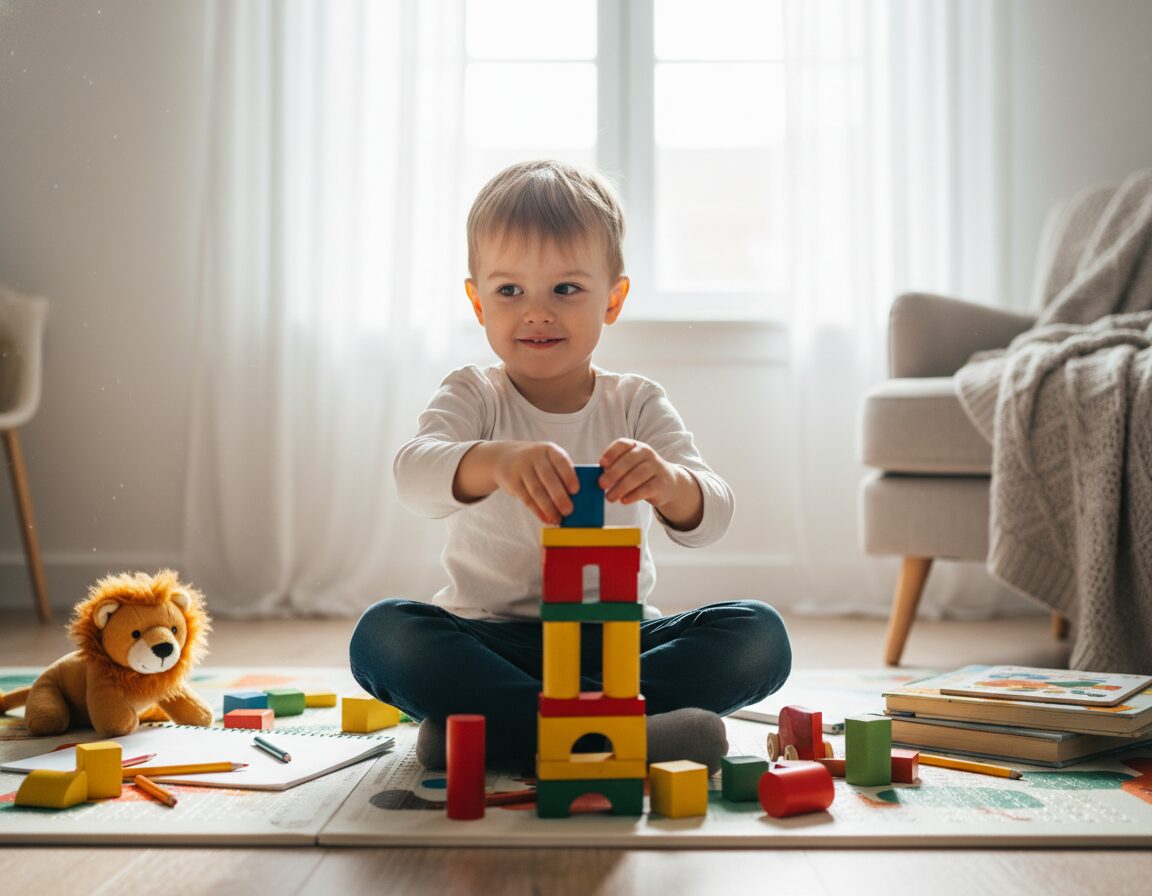
Did you know that research suggests youngsters who regularly engage in self-directed activities can develop problem-solving skills up to 30% faster? This isn’t just about keeping them busy. It’s about unlocking a magical world of growth.
Great thinkers like Jean Piaget and Lev Vygotsky showed us that exploration and interaction with their environment are how children learn. When your little one dives into their own world of discovery, they’re building a foundation for confidence and capability.
You might feel a bit unsure at first. That’s completely normal. By providing a safe space and the right materials, you make this journey easier for everyone. Watching your child become more creative and resourceful is a truly cherished reward.
This guide will walk you through simple steps to foster a love for solo exploration. You’ll create a more peaceful home where your kids thrive on their own, and you regain precious moments in your day.
Key Takeaways
- Independent play significantly boosts problem-solving skills and creative thinking.
- It is supported by child development theories that emphasize exploration and environmental interaction.
- Creating a safe, engaging space with simple, open-ended materials is crucial for success.
- Starting with short, manageable periods helps both children and parents adjust comfortably.
- This practice gives parents valuable time while their kids learn to enjoy their own company.
- Every child is unique, so patience and observation are key to finding what works best.
- Fostering this skill helps grow confident, capable individuals who can explore the world around them.
Understanding the Importance of Independent Play
Have you ever watched your little one completely absorbed in their own world, turning a cardboard box into a spaceship? That moment of deep focus isn’t just cute—it’s a critical part of their growth. Experts have long shown that self-directed exploration is how young minds truly flourish.
Developmental Benefits and Skill Building
Thinkers like Jean Piaget believed kids learn best by experimenting to make sense of their surroundings. Lev Vygotsky added that interacting with their environment builds cognitive and social abilities.
When your child engages in solo activities, they cultivate essential life skills. Problem-solving and patience grow, skills as vital as any learned in school.
Emotional Growth and Confidence
This kind of activity is important because it lets your child explore their own creativity. That leads to a stronger sense of self and better emotional control.
You’ll see them become more resilient, navigating small frustrations on their own. Providing age-appropriate tools, like those found in our guide to the best Montessori toys for independent play, helps build confidence. They learn they can master tasks and enjoy their own company for 15 minutes or more.
Preparing a Play-Inviting Space
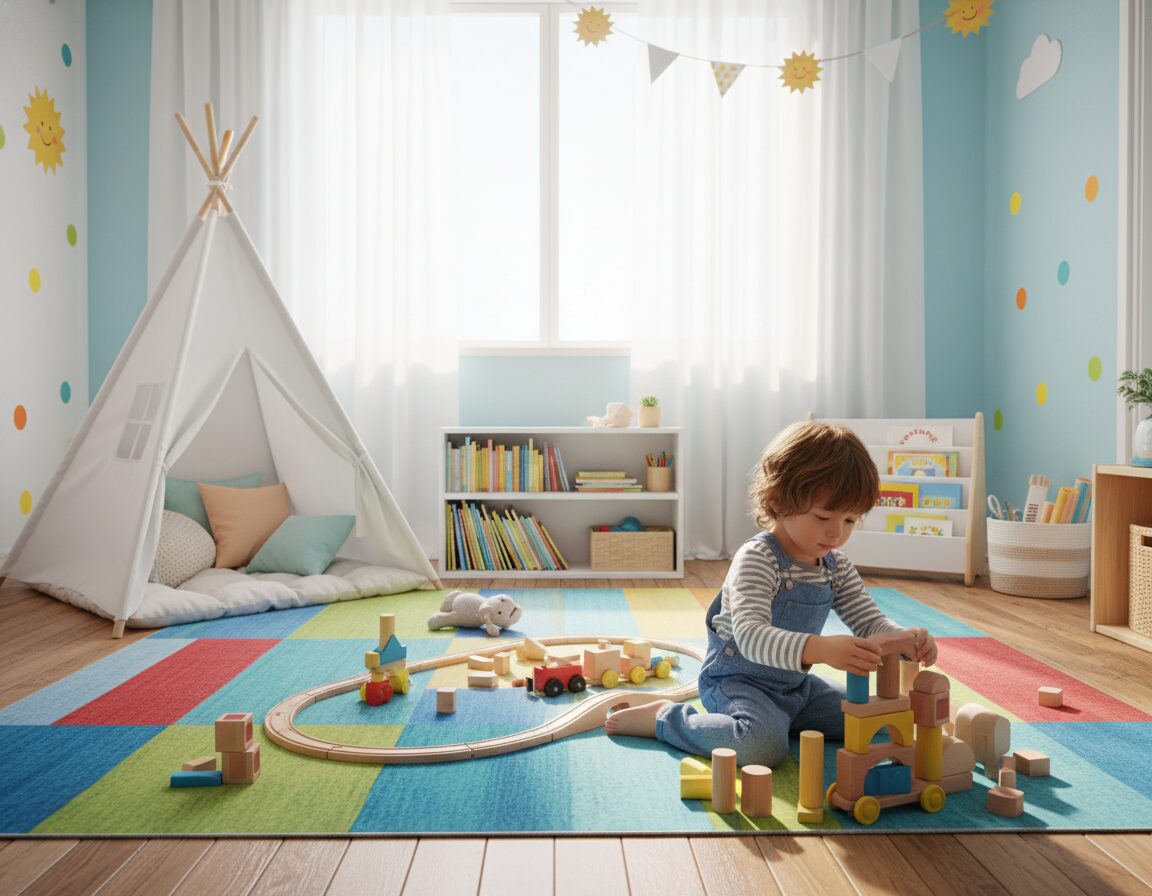
A thoughtfully arranged space can be the silent invitation your little one needs to begin their own adventures. It’s not about having a perfect playroom. It’s about crafting a nurturing corner that feels both safe and inspiring.
Creating a Safe, Clutter-Free Environment
Start by ensuring the zone is physically secure. Then, focus on reducing visual noise. A calm, organized area minimizes overwhelm and helps your child focus deeply.
Designate a specific spot in your home for this purpose. This builds a sense of ownership and security. Knowing where their treasures are lets them dive right in.
Organizing Open-Ended Toys and Materials
Fill this space with simple, open-ended materials. Think wooden blocks, fabric scraps, or art supplies. Companies like Safari Ltd. offer wonderful educational toys for all ages that spark imagination.
Rotate these items every few weeks. This keeps the environment fresh and exciting. Your child will discover new ways to use their favorite things, building problem-solving skills and creativity. Children learn best through this kind of hands-on exploration.
Teaching Your Child How to Play Alone
It starts with a simple demonstration: you show, they try, and then you quietly step away. Guiding your youngster to enjoy their own company is a beautiful skill you can nurture together, much like learning to tie their shoes.
Introducing Step-by-Step Guidance
Begin by staying close for just five to ten minutes while they explore. Demonstrate how to use a toy, then slowly move back. This lets your child feel secure while they take the lead.
For a toddler, a visual timer set for fifteen minutes works wonders. It helps them understand the boundaries of their activity while you are nearby in the next room.
Selecting Age-Appropriate Toys
Choose simple, open-ended items. Art supplies, stacking cups, and soft blocks are perfect. These materials encourage your child to build confidence through their own creative efforts.
Remember, an infant might manage five to ten minutes of solo discovery. A one- or two-year-old can often enjoy fifteen to twenty minutes. Praise their focus when they engage without asking for constant help. This builds a strong sense of independence.
If they struggle, offer a gentle hint instead of solving the problem for them. Celebrate each small milestone. Your patience helps them develop crucial problem-solving skills and the joy of their own company.
Effective Strategies for setting up independent play time
What if a simple kitchen timer could become your ally in fostering your child’s growing self-reliance? The right approach makes all the difference. It turns fleeting moments into a cherished part of your family’s daily rhythm.
Utilizing Routine and Timers
A consistent routine signals to your little one that it’s their moment for solo discovery. This predictability builds security. They know what to expect next in their schedule.
Using a visual timer for, say, thirty minutes is a great way to teach boundaries. It offers a clear signal for when you’ll reconnect. This simple tool builds early time management skills.
Gradual Increase in Play Duration
Start with just a few minutes of self-directed activities. Gently extend this period as your child’s focus grows. Preschoolers can often enjoy thirty to forty minutes of engaged exploration.
Offer a variety of materials like crayons or blocks. This keeps their curiosity alive. Celebrate their growing confidence and independence each day.
Remember, these strategies support your unique family. Adjust the length and routine to fit your child’s needs. Making it a part of every day helps them thrive on their own.
Balancing Supervision with Autonomy
Finding the right balance between being a watchful guardian and a trusting guide is one of parenting’s subtle arts. It means staying close enough for safety but far enough to give your youngster room to grow.
When to Step In and When to Step Back
Your physical presence offers a secure base. From there, let your child lead their own activities. This builds the confidence they need to trust their own choices.
Author Michaeleen Doucleff offers a clever tip. If your little one seems willful, involve them in a simple household task. This redirects their energy and gives them a sense of purpose.
Wait a moment before jumping in during frustration. This pause allows them to find their own solution. Your quiet observation shows you believe in their ability.
Independent play doesn’t mean you’re absent. You are a supportive presence who respects their need for autonomy. This trust strengthens your bond and encourages kids to keep exploring on their own each day.
Integrating Independent Play into Daily Life
Turning this kind of activity into a regular part of life is less about grand gestures and more about gentle, daily rhythms. A predictable schedule acts like a comforting map for your youngster.
Establishing Consistent Routines
Children thrive on knowing what comes next. Designate a specific part of your day for solo discovery, like after breakfast or before dinner. This builds a natural habit.
Author Michaeleen Doucleff offers a clever tip for willful moments. Involve your child in simple practical life chores, like sorting socks or wiping a table. This redirects energy and builds useful skills.
Create a short list of familiar activities or cozy spots in your house. Kids can choose from this list when it’s their moment for self-directed fun. This empowers their choice.
- Use a visual timer for ten or fifteen timer minutes to define the period clearly.
- Stick to your schedule as much as possible to build security and confidence.
- Model valuing your own time, showing that independence is healthy for everyone.
When you make this a part of every day, your child learns to value their own company. They gain a stronger sense of self that lasts a lifetime.
Enhancing Creativity and Problem-Solving Through Play
Imagine your child constructing an elaborate castle from a simple set of blocks, their mind buzzing with possibilities. This is where true creativity and essential problem-solving skills blossom. It’s more than just fun; it’s foundational learning that prepares them for life’s challenges.
Encouraging Imaginative and Open-Ended Activities
You can nurture this growth by offering simple, open-ended materials. Items like art supplies or the educational figures from Safari Ltd. allow kids to build endless stories and worlds. These toys don’t have a single purpose, so your child’s imagination leads the way.
When children learn to use these resources, they practice flexible thinking. This kind of mental agility is a key skill that will help them succeed later in school. Watching them invent new games shows how much they are growing through their own independent play.
Your genuine enthusiasm for their projects is powerful support. Celebrate the effort and process, not just the final result. This encourages them to keep exploring and building confidence in their own ideas.
By providing a variety of things to explore every day, you help your youngster become more adept at finding unique solutions. This daily practice is a wonderful way to explore what types of creativity can be through hands-on activities. Their ability to express themselves and solve problems will flourish.
Conclusion
Looking back, you might notice how your family’s daily rhythm has gently shifted toward more peaceful moments. This journey of fostering independent play rewards everyone with personal growth and a more harmonious home.
By creating a supportive space and sticking to a predictable routine, you help your child build the confidence they need to explore. Your role is to offer the tools, then step back and trust their curiosity.
Remember, each child progresses at their own pace. Celebrate the small victories you see each day. Your patience nurtures their growing sense of independence.
We hope these ideas help you cultivate a lasting love for self-directed discovery. Thank you for investing your time in nurturing your children’s natural wonder.