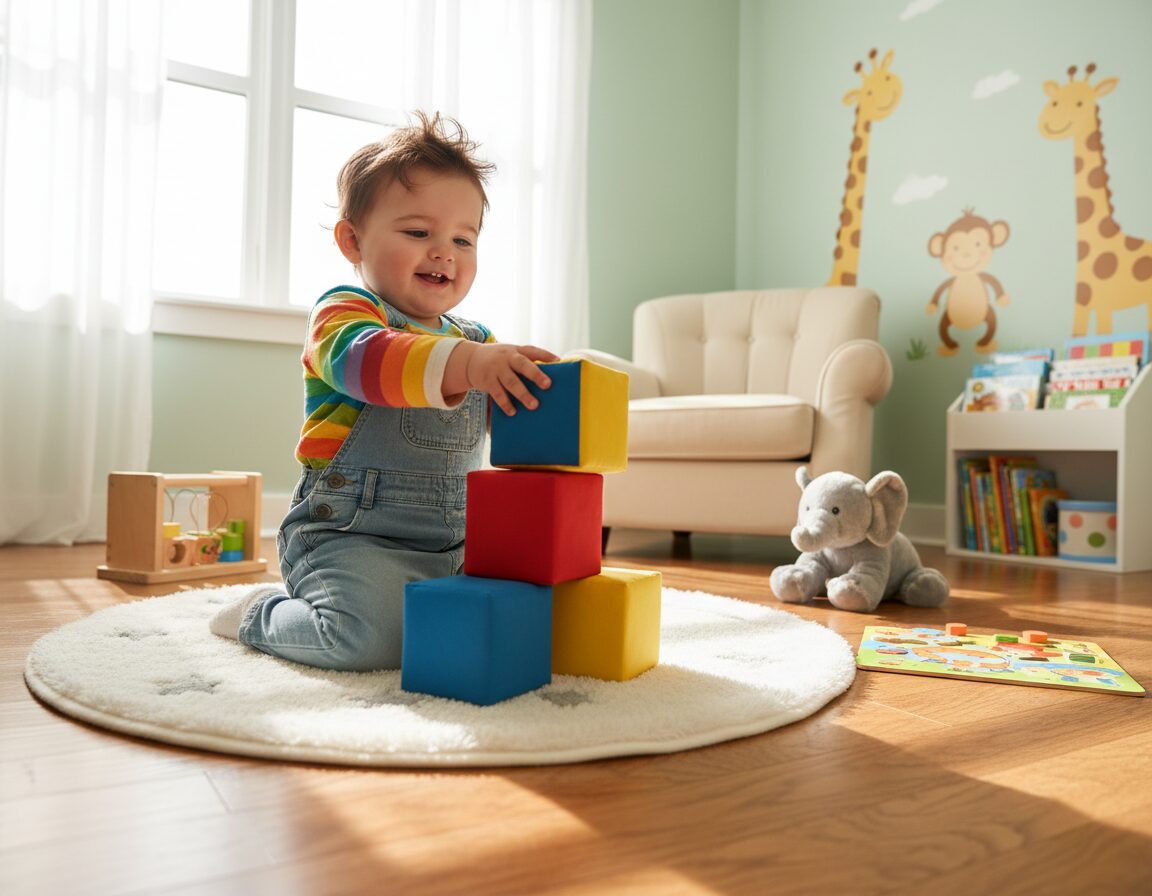
Did you know that the simple, daily interactions you have with your little one can shape their brain development more than any structured class? It’s true. Those magical moments of connection are the building blocks for a bright future.
Our TGS Executive School Directors crafted special curriculum projects for families. These activities bring the wonder of learning right into your living room. Spending quality time with your child is the most powerful tool you have.
It builds a strong foundation for their intellectual, social, and physical growth. We believe in turning ordinary days into adventures. This approach creates a supportive environment where young minds thrive through safe, meaningful exploration.
Engaging with your children in these creative developmental activities makes every day feel special. It’s about more than just keeping busy. You’re creating cherished memories that will last a lifetime for your families.
Key Takeaways
- Daily playful interactions are crucial for brain development.
- Expert-designed projects can bring school curriculum to your home.
- Quality time is the cornerstone of a child’s future growth.
- Creative activities transform ordinary moments into learning adventures.
- A supportive environment encourages safe exploration and discovery.
- These shared experiences build lasting family memories.
- Focus on meaningful engagement over simply filling time.
Setting the Stage for Play at Home
Imagine a corner of your home where curiosity is safe to roam and discovery is encouraged every day. This kind of space doesn’t require a major renovation. It starts with intention and a few simple steps.
Creating a Safe, Organized Environment
Safety is the first priority. Clear the floor of any tripping hazards like loose cords or small objects. This gives your little one plenty of room to move freely and confidently.
Educators at Story House Early Learning show us that a secure space builds essential skills. Your child develops better balance and language when they feel safe to explore. An organized area reduces overwhelm and promotes focus.
Establishing a Dedicated Play Area
Choose a consistent spot for daily activities. This dedicated zone becomes a familiar haven for independent exploration. It signals that it’s time for fun and learning.
Keep things fresh by rotating toys every few weeks. Store items in open bins so your youngster can easily see and choose materials. This simple system fosters autonomy and extends engagement. A defined space helps create cherished routines for your family.
Exploring Sensory Play for Early Development
From the feel of bubbles between their fingers to the sound of rice in a bottle, sensory activities build crucial neural pathways. These experiences help your child understand textures, sounds, and movements. They turn ordinary moments into magical discoveries.
DIY Sensory Bottles and Sticky Walls
Sensory bottles are a fantastic activity. Fill clear bottles with household items like rice or colorful beads. Your little one will love shaking them to find hidden treasures.
For a larger-scale adventure, create a sticky wall. Secure a sheet of clear contact paper to a smooth surface like a garage door. Use painter’s tape to hold it firmly. Then, let your youngster explore by sticking lightweight items found around house onto it.
Bubble Play and Water Exploration
Bubbles captivate every child. You can make incredible bubble foam by mixing two parts bubble bath with one part water. Whip it with a hand mixer until it forms stiff, cloud-like peaks.
Water play offers endless ideas for sensory exploration. Use a large bucket or tub in the kitchen or during bath time. Always supervise this activity closely.
Adding kitchen tools like a whisk lets your toddler explore how things move and mix. This simple setup provides deep learning right at your table.
toddler play habits at home: Engaging Learning Opportunities
What if your kitchen scraps and empty boxes could become the most exciting toys in the house? Everyday items hold incredible potential for discovery. Turning them into projects builds problem-solving skills right in your home.
Creative Art Projects with Recycled Materials
Gather cardboard boxes, paper towel rolls, and egg cartons. These simple things provide endless ideas for your child.
They can construct towering cities or whimsical creatures. Providing safe tools like tape and blunt scissors lets your little one transform paper and cardboard. This activity nurtures creative thinking.
Imaginative Culinary and Bath-time Adventures
Your kitchen is a wonderful classroom. Invite your young helper to sort dry food like beans or pasta. Stirring ingredients together is fantastic for motor skills.
Bath time becomes a science lab. Add cups and plastic toys to the water. Watch your children explore cause and effect as they pour and make bubbles.
These moments turn daily routines into cherished adventures.
Fostering Social-Emotional Skills Through Play
Watching your child comfort a stuffed animal reveals the early seeds of empathy growing within. These everyday interactions are where critical social and emotional skills take root. A supportive daily rhythm, like the one used at The Gardner School, blends structure with freedom to nurture this whole child development.
Sharing, Turn-Taking, and Role-Playing
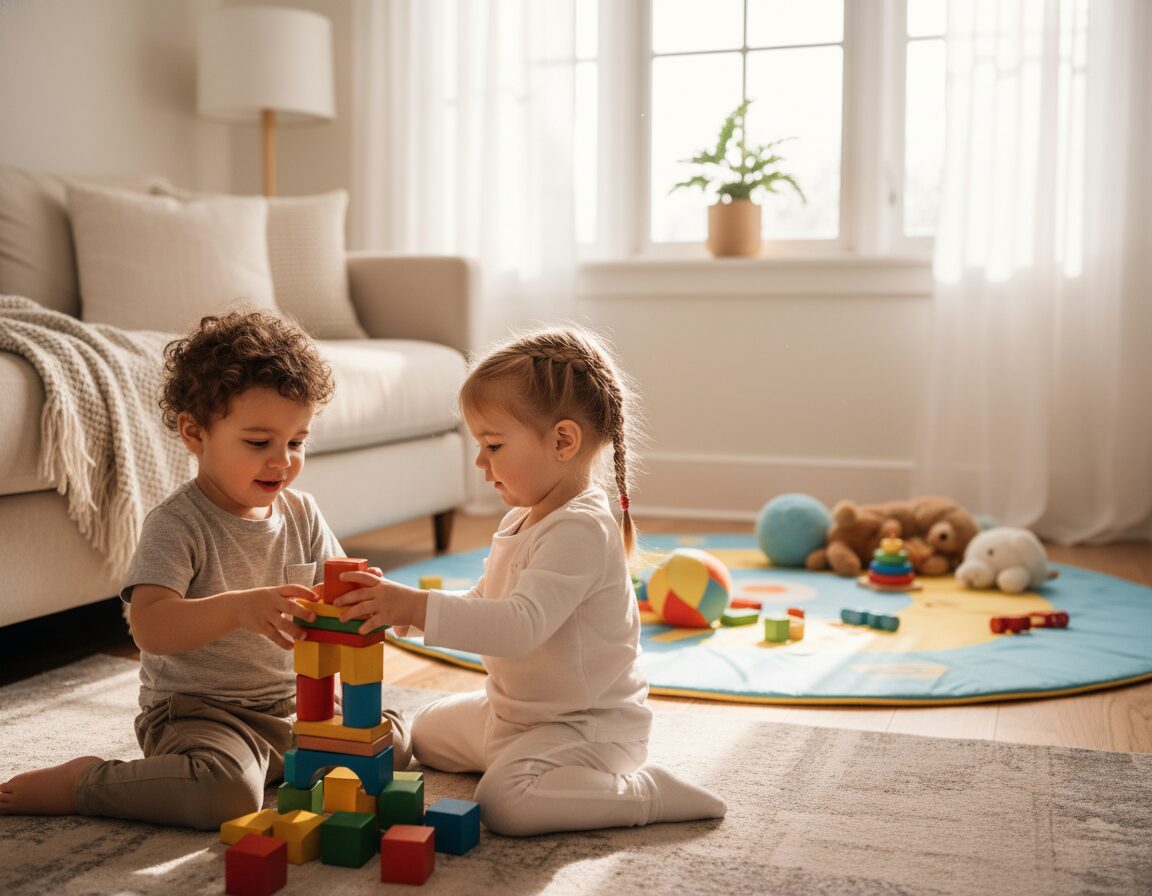
Simple games that involve sharing toys teach a young one about cooperation. Modeling how to wait for a turn is a powerful lesson. It shows them how to build positive friendships.
Role-playing with dolls is especially magical. Your toddler practices caring for others. They learn to name feelings like happiness or frustration. This pretend play is a safe space to understand big emotions.
Using Dolls and Books to Express Emotions
Dolls and storybooks become tools for emotional expression. When your toddler makes a doll say “I’m sad,” they are learning vital communication. This process builds their confidence.
These activities allow your youngster to work through experiences in a secure way. They are preparing for future social success, all through the gentle guidance of your time together.
Boosting Brain Power with Cognitive Games
Cognitive games are like secret workouts for your youngster’s growing mind, and they’re easier to set up than you think. These engaging tasks strengthen memory, focus, and logic. They turn everyday moments into powerful learning.
Interactive Storytelling and Early Literacy
Books are a gateway to incredible brain development. Reading a classic like “Brown Bear, Brown Bear, What Do You See?” together becomes an interactive game. Your child learns to predict what comes next, building crucial thinking skills.
Ask questions like, “What color is the bird?” This simple activity expands vocabulary and sparks imagination. It turns storytime into a cherished, brain-building adventure.
Puzzles and Hands-On Problem-Solving
Hands-on challenges are fantastic for young learners. Start with puzzles featuring large, chunky pieces. Sitting together on the floor to solve them builds persistence and spatial awareness.
Sorting things is another brilliant activity. Use colorful toys or dry food like pasta shapes. This game introduces early math concepts.
Building with blocks lets your little one test balance and height. These ideas foster problem-solving and celebrate every small victory.
- Predictable storybooks build anticipation and language skills.
- Puzzles with large pieces develop focus and fine motor control.
- Sorting activities lay the foundation for math and categorization.
- Block play encourages testing theories about balance and structure.
Hands-On Creative Expression with Art and Craft
Art isn’t about making a masterpiece; it’s about the joyful process of discovery that happens when little hands get messy. These activities give your child a powerful way to express feelings and ideas. It builds fine motor skills and confidence in their own abilities.
Finger Painting and Collage Making
Finger painting on a large sheet of paper is a wonderful starting point. Your little one can explore colors and textures freely. This sensory play strengthens the small muscles in their fingers.
Collage making is another fantastic fun project. Gather paper scraps and recycled rolls. Your toddler can create art while sitting comfortably at the table. They learn how different items can stick together to form a new picture.
For a cool science twist, try a bucket of ice. Give your youngster squirt bottles filled with water and washable paint. They will love watching the ice melt and the colors mix. It turns art time into a captivating experiment.
Provide various art tools like brushes and safe stamps. Offer different pieces of construction paper. This encourages free expression. Setting up a dedicated space on the floor with a mat lets your child focus completely on their creation.
Encouraging Active Movement and Gross Motor Skills
When a rainy day cancels outdoor plans, your living room can transform into an exciting gym for growing bodies. Channeling that wonderful energy into developmental progress is simpler than you might think. It’s all about turning your space into a zone for joyful movement.
Indoor Obstacle Courses and Dance Routines
Create a simple obstacle course using cushions and soft blocks from around house. This fun way helps your child burn energy when the weather keeps you inside. They will climb, crawl, and build coordination with every pass.
Dancing to music is another brilliant activity. A game of freeze-dance gets your children moving and improves their gross motor skills during the day. It’s a cherished part of the routine that everyone enjoys.
Use a soft ball or plush toys to spark movement ideas. Your little one will love jumping and hopping from one spot to another. This playful exploration gets them moving with pure joy.
For focused practice, set up a path using paper tracks or empty buckets. Encourage your youngster to jump with two feet from one marker to the next. This builds leg strength and balance in a playful, engaging time.
Weaving these activities into your daily rhythm is a powerful way to support health. It ensures your toddler stays active and develops essential physical skills, all while having fun at home.
Conclusion
Building these daily moments of connection is a gift you give to your child’s future self. The most supportive environment is one filled with your attention and simple, meaningful activities.
By observing your little one’s interests, you create the best path for growth. Remember, the goal is joyful engagement, not perfection. Tossing a ball or building a fort together are cherished ways to connect.
These experiences build a strong foundation for your family. For more inspiration on purposeful activities, explore our guide to Montessori-inspired activities. Keep exploring and creating together in the comfort of your own home.