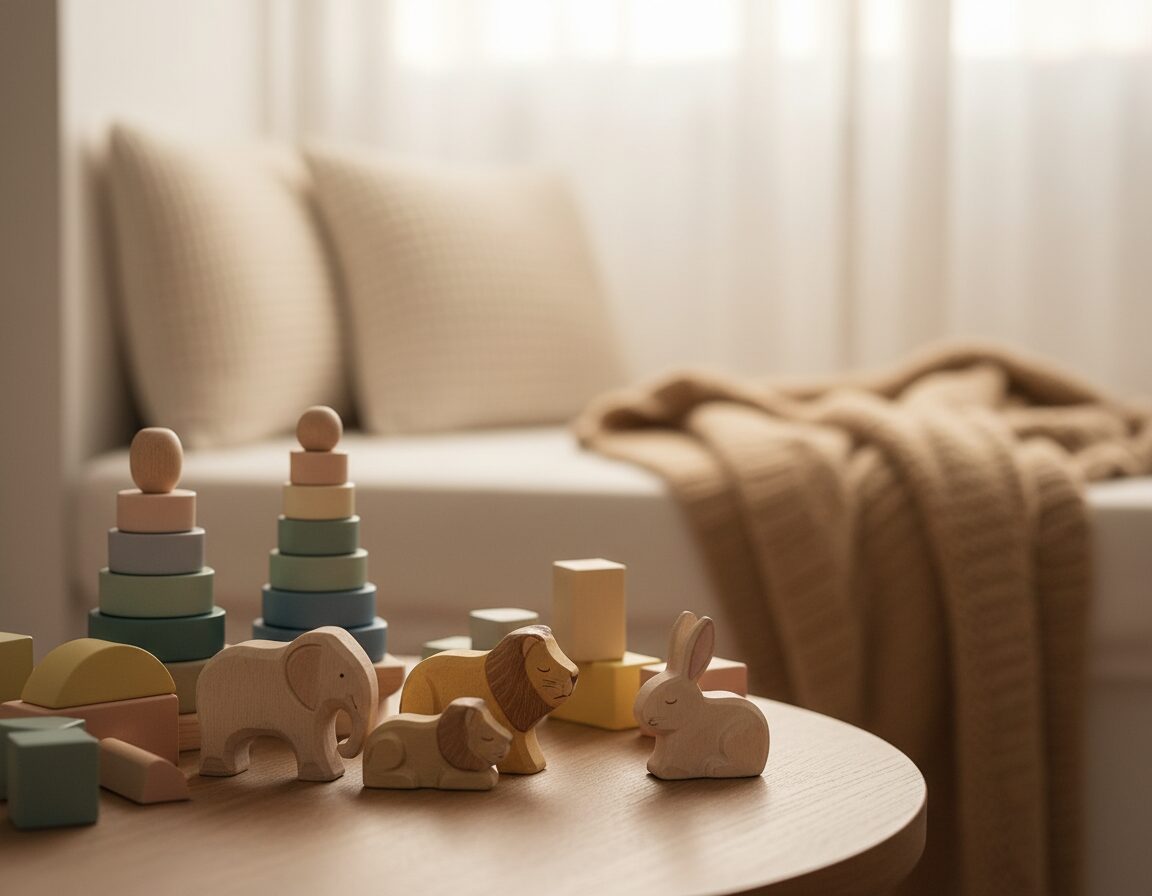
What if the key to calming your overwhelmed child isn’t more stimulation, but less?
Every parent knows those moments. Your little one has had a big day, and the world just feels like too much. They might be bouncing off the walls or completely drained. It’s in these times that providing the right tools can make all the difference.
Sensory toys help a child feel safe and soothed. They offer a gentle way to manage all that incoming input. When energy is high or exhaustion sets in, these items become a peaceful anchor.
We believe every child experiences the world in their own unique way. That’s why play should support their emotional and sensory needs. A simple, well-made toy can turn a chaotic afternoon into a cherished moment of calm connection.
By choosing thoughtful playthings, you give your child a powerful tool. They learn to navigate big feelings and find their own steady rhythm. It’s a beautiful thing to witness.
Key Takeaways
- Sensory items can help a child feel regulated and secure during overwhelming times.
- Wooden playthings offer a naturally calming alternative to loud, electronic toys.
- The right toy provides a gentle way for a child to process sensory input.
- Quiet play supports emotional development and self-regulation skills.
- Simple, open-ended toys often lead to the most focused and peaceful play.
- Choosing calming tools is an act of nurturing your child’s unique needs.
- These moments of quiet play can strengthen your bond and create lasting memories.
Introduction: Embracing Calm with Quiet Wooden Toys
Have you ever felt helpless when your child is overwhelmed by the world’s constant buzz? That moment of sensory overload is real for them, and it can be a challenging time for you too.
Sensory play acts like a full-body conversation. It helps with emotional regulation and social connection in a gentle way.
The Journey to Peaceful Play
When your little one feels swamped by noise and lights, calming sensory tools become a bridge. They help a child process all that input and find their center again.
Many kids express their big feelings in unique ways. They might spin or become very still. The right playthings offer a safe outlet for that energy.
Understanding Overstimulation in Children
It’s common for a child to feel like they have a lot on their plate. Their nervous system gets too much information at once.
Providing soothing textures and a quiet space to retreat makes a world of difference. By observing how your child interacts with various items, you learn their unique preferences.
This understanding helps them navigate their environment with more ease and confidence.
Why Wooden Toys are Ideal for Sensory Regulation
For a child feeling swamped by sensory input, the simplicity of a wooden bead maze can be a lifeline to focus. This gentle activity helps slow their breathing and creates a calmer space. It’s a perfect example of how the right tools support sensory regulation.
These items are more than just playthings. They are anchors that provide the grounding input a child needs.
Natural Materials and Tactile Benefits
The warmth and grain of wood offer unique tactile benefits. When a child holds a smooth piece in their hands, the natural textures send calming signals. This helps regulate their nervous system during overwhelming moments.
Manipulating a bead maze or a stacking ring builds fine motor skills. This focused movement requires coordination and control. It turns play into a practice for steadying little hands and minds.
Emotional Comfort Through Simplicity
There is profound emotional comfort in simplicity. A toy without batteries or loud sounds doesn’t add to the sensory load. It gives a child a clear, manageable way to interact with their world.
This simplicity meets a child needs for security. It allows them to explore different ways of processing a lot of input. Over time, these simple tools help every child find their own peaceful rhythm.
Quiet Toys for Overstimulated Children: Benefits and Impact
Expert-curated resources, like those from National Autism Resources, offer specialized tools designed for sensitive nervous systems. These sensory toys provide more than just a distraction. They create a pathway to stability and growth for your child.
Enhancing Focus and Emotional Balance
The right activities can anchor a wandering mind. They give a child a concrete way to channel their energy. This practice builds crucial emotional regulation skills over time.
Managing big feelings becomes easier with the right support. Calming sensory tools help children find their center, providing organizing input during stressful moments. They learn to pause and breathe, building resilience.
Supporting Sensory Processing and Fine Motor Skills
These tools serve a dual purpose. They offer the gentle input a young nervous system craves for healthy sensory processing. Simultaneously, they strengthen fine motor control through deliberate sensory play.
Manipulating different textures refines hand-eye coordination. It turns a simple fidget into a developmental exercise. This meets a core child needs for tactile exploration.
Integrating these sensory toys into daily routines is powerful. It helps kids build skills that last for years. The right toy can become a trusted tool for managing input and reducing overwhelm.
Calming Sensory Play: Fidget Toys, Sensory Bottles, and More
Deep pressure from a weighted companion or the swirling glitter in a bottle can work wonders for a frazzled nervous system. These specific aids are designed to meet a child where they are, offering a tangible way to find calm.
A Closer Look at Fidget Tools for Regulation
A 5-pound weighted lap dog is one of the best sensory tools for providing deep pressure input. This calming pressure is perfect for use at home and is craved by many sensory seekers.
Other excellent fidget items include a magnetic shape-shifting box. It transforms into over 70 shapes, offering endless tactile engagement. This keeps hands busy and builds fine motor skills.
These fidget toys provide the organizing input a young nervous system needs for regulation. Manipulating their different textures turns simple handling into a focused activity.
Sensory Bottles and Other Calming Aids
You can also make sensory bottles using water beads or glitter. They create a magical visual experience that helps a child regulate emotions during a busy day.
We often consult with an occupational therapist. This ensures our collection of sensory toys make it easy for parents to find the right support.
These sensory bottles and other calming activities are perfect for when your child needs a quiet moment. They help reset their sensory system with gentle visual input.
Practical Tips for Integrating Calming Toys at Home
Creating a peaceful retreat at home starts with understanding your child’s unique sensory preferences. The right tools can turn everyday spaces into havens of regulation.
Setting Up a ‘Calm Down’ Corner
Pediatric occupational therapist Gwyn Joyce suggests a dedicated space helps manage sensory input. With over 8 years of experience, she emphasizes this simple step.
Stock this corner with items that provide organizing input. A weighted lap pad or soft, textured balls can be perfect for many sensory seekers.
Choosing Toys Aligned With Your Child’s Needs
Our latest blog post explores how to choose the best sensory tools. These items help children build emotional regulation and reduce background noise during a busy day.
Consider activities like how to make sensory bottles or offering fidget toys. They deliver the specific textures and calming sensory activities your child needs.
Consulting an occupational therapist can guide your selections. This ensures the toys make a positive impact on sensory processing and fine motor skills.
Enhancing Sensory Play with Natural and Wooden Elements
Safety and sensory comfort come together beautifully in playthings crafted from natural, non-toxic materials. These elements provide a unique foundation for enriching play activities. They offer a grounding experience that many children instinctively seek.
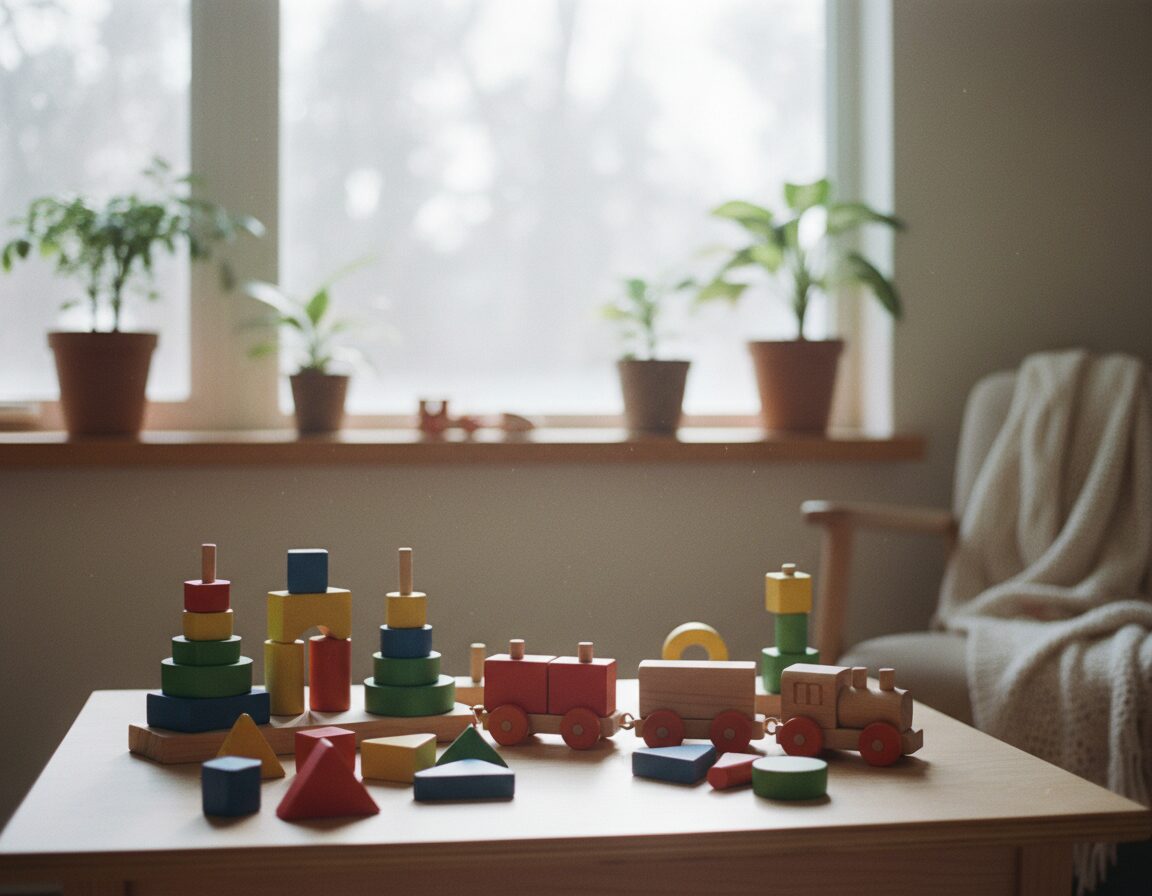
Brands like Bumbu Toys focus on creating heirloom-quality items. Each handcrafted toy is designed to last and grow alongside your child. This thoughtful approach ensures a safe and enduring way to engage.
The Appeal of Handcrafted, Non-Toxic Toys
Choosing non-toxic materials means you’re providing the best sensory input possible. The natural warmth of wood feels comforting in small hands. This commitment to safety supports every child, including those with autism.
Our latest blog post explores how these wooden toys pair perfectly with other tools. Using them alongside fidget toys or sensory bottles creates a wonderfully balanced environment. It’s a holistic approach to managing sensory input.
Quality craftsmanship helps little ones explore different textures and ways of moving. Items like smooth stacking rings or textured balls build important skills. They become cherished sensory toys for focused, calm moments.
Conclusion
Intentional play transforms daily moments into opportunities for emotional growth and connection. The journey to find the right support for your child is a powerful step.
The right tools provide the essential input a young nervous system craves. This helps a child build skills for managing big emotions and finding their center.
Great toys and activities grow alongside your little one. They offer new chances to explore fascinating textures and master challenges. A simple fidget toy or a set of blocks can become a trusted companion.
By choosing these items with care, you give your children a wonderful gift. You provide the support every child needs to find peace and focus in their play. These thoughtful sensory toys make a lasting difference.