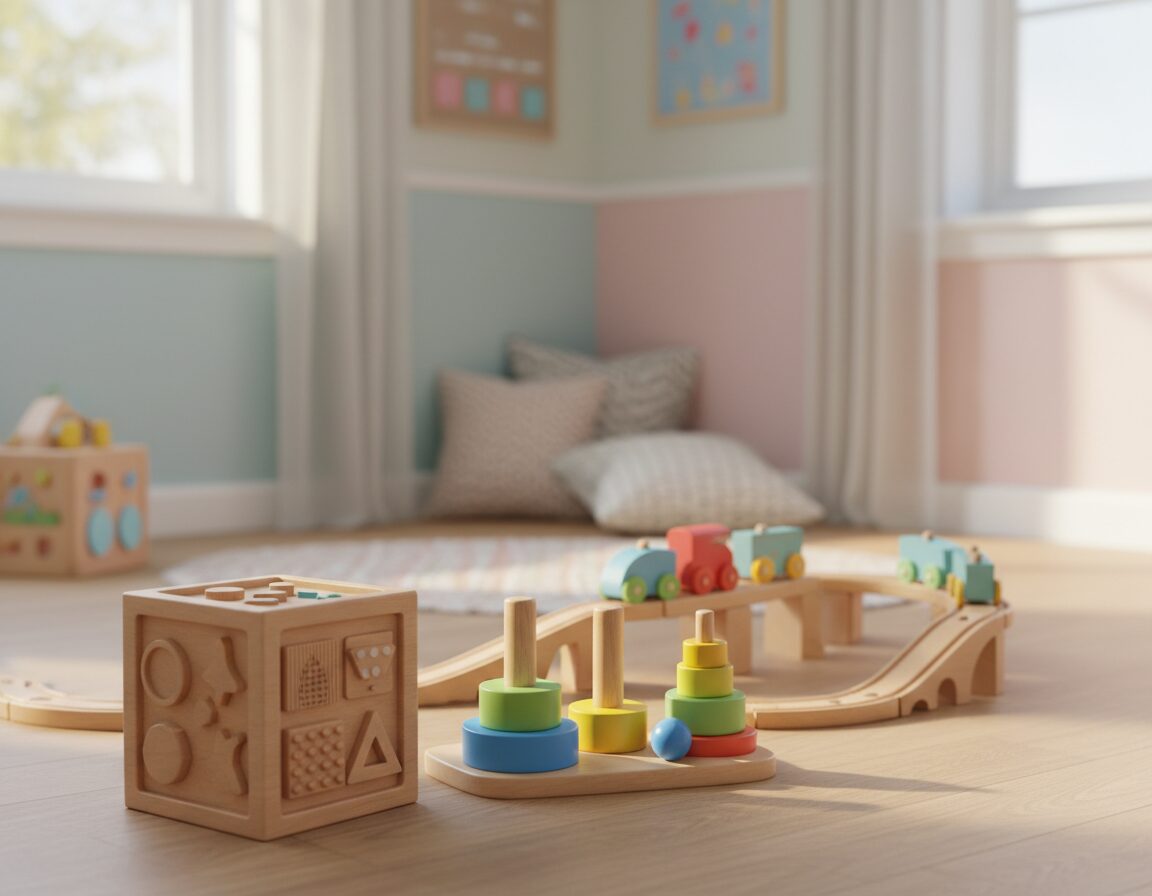
What if the key to helping your anxious child feel safe isn’t found in words, but in the simple, solid feel of a natural object in their hands?
Every parent knows that moment. You’ve tried gentle conversation and deep breathing. Yet sometimes, those big emotions need a different kind of anchor.
That’s where the magic of tactile, natural playthings comes in. These cherished items offer a unique sense of control. They become a steady, grounding presence during difficult moments.
In this guide, we’ll explore how these simple treasures help kids navigate their feelings. You’ll discover how they can transform your little one’s daily experience and management of internal stress. We’ll also share practical advice on selecting the right tools to support your family’s journey.
Key Takeaways
- Natural, tactile playthings can offer a powerful sense of control during anxious moments.
- These objects serve as a grounding presence, helping children navigate big feelings.
- Simple tools can transform how a child experiences their daily environment.
- Selecting the right item is about matching it to your kid’s unique needs and preferences.
- This approach complements other strategies like deep breathing and gentle conversation.
- Sustainable, well-crafted items support both emotional development and planetary health.
- Empowerment comes from providing tools that help young ones manage internal stress.
Introduction: The Power of Play in Managing Anxiety
Play is more than just fun—it’s a language children use to communicate their inner world. When words are hard to find, actions and imagination take over. Simple toys become powerful tools in this process.
Professionals often use play therapy to help kids manage various emotional conditions and ease feelings of anxiety.
The Role of Play in Emotional Wellbeing
Engaging in this activity isn’t just about passing time. It’s an active learning process where a child learns to regulate complex feelings.
Research shows it allows young ones to express emotions they might not yet have the vocabulary to describe verbally.
How Toys Provide Comfort and Safety
The right playthings offer a sense of security. They act as a steady bridge between your kid and their external environment.
By choosing items that resonate, you help your little one feel grounded. Explore our guide on calm sensory wooden toys for toddlers to find tools that support this journey.
Understanding Anxiety in Children
When a child feels anxious, their world can suddenly seem unpredictable and overwhelming, triggering responses that are both emotional and physical. This isn’t just about being scared—it’s a complex reaction that affects their entire being.
Emotional and Physical Impacts
Anxiety can make a young one feel like they have no control over their environment. This loss of control often leads to overwhelming physical and emotional responses. You might see them become irritable, tearful, or withdrawn.
Many children struggle to articulate their anxious thoughts. Instead, these feelings often manifest as physical tension, stomach aches, or a persistent sense of unease. Their bodies respond to stress even when their words can’t.
When kids experience these big feelings, they need tangible support to navigate the physical symptoms. Understanding that anxiety is a natural response to feeling unsafe allows you to provide compassionate, patient support. By identifying these patterns early, you help your child develop coping mechanisms for greater security and calm.
Benefits of Calming Wooden Toys for Anxiety
Sometimes, the most effective support for a worried mind comes from holding something real and substantial. These special playthings offer unique advantages that go beyond simple distraction.
Natural Materials and Eco-Friendly Designs
Natural materials like wood provide a grounding, tactile experience. This is something synthetic objects often lack. For a sensitive child, this connection to nature can be deeply reassuring.
These eco-friendly designs are safe for our planet. They also deliver a soothing, sensory-rich experience. Your anxious child can explore textures and weights that promote calm.
Choosing these toys helps create a sense of peace. They are typically free from overstimulating lights and loud sounds. The heft and grain of wood offer a stable, comforting presence.
Investing in high-quality, natural items ensures durability. They become cherished objects that withstand years of emotional exploration. This makes them a wise long-term tool for your family.
Natural and Eco-Friendly Toy Designs
Imagine a plaything that not only comforts your kid but also respects the earth it came from—that’s the power of intentional design.
Thoughtful design considers more than just immediate fun. It builds a foundation for healthy play that lasts.
Sustainability in Toy Manufacturing
Choosing sustainable items means selecting objects made with care for our planet. This process often uses renewable resources and avoids harmful chemicals.
These playthings are built to endure for many years. They become trusted companions through different stages of your child’s growth.
You also teach a valuable lesson about environmental stewardship. Your little one learns to cherish well-made, lasting treasures.
Safe, Non-Toxic Materials
Your child’s safety is the most important factor. Natural materials like solid wood provide a non-toxic alternative to common plastics.
This choice eliminates worries about hidden toxins. It creates a secure space for exploration and calm.
You provide a foundation of confidence. Your kid can engage with their world peacefully, knowing their tools are safe and sound.
Types of Calming Toys: From Sensory to Fidget
A 2021 case showed how a simple silicone brush helped a hospital patient find peace during stress. This highlights a powerful truth: the right object in your hands can redirect overwhelming energy.
Tactile and Sensory-Enriching Options
Textured surfaces and weighted items provide a rich sensory experience. They help a child shift attention away from racing thoughts.
A sensory fidget tool allows your little one to engage their sense of touch. This proven method reduces physical tension and promotes calm.
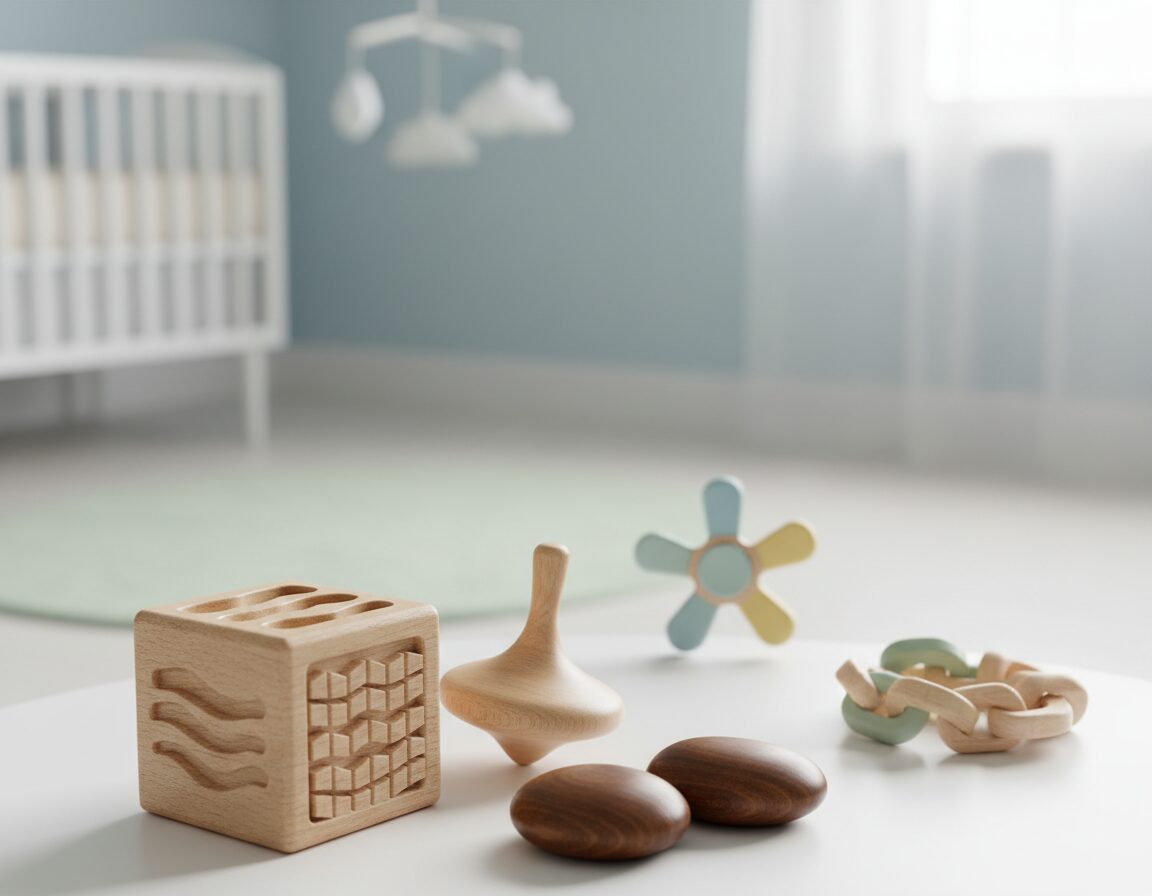
Fidget Toys and Their Versatility
Fidget toys are incredibly versatile. They offer a discreet way to manage big feelings at school or in public.
Your child can focus their busy hands to quiet a worried mind. Simple silicone items, like that sensory brush, are perfect examples.
These fidget tools empower kids to self-regulate. They turn anxious energy into focused movement. These toys are perfect for on-the-go support.
Therapeutic Features in Wooden Toys
The design of some play materials goes beyond entertainment to incorporate features that promote physiological calm. These intentional elements help your little one manage overwhelming feelings through natural, sensory-based responses.
Deep Pressure Stimulation for Stress Relief
Certain objects provide gentle, consistent weight. This offers what’s known as deep pressure stimulation.
Research shows this sensation can lower cortisol levels. It activates the parasympathetic nervous system to promote relaxation.
For a young one, this feels like a reassuring hug. It helps them feel grounded and secure during moments of worry.
Encouraging Mindfulness Through Play
Simple activities with these items can guide focus to the present moment. This practice builds mindfulness skills.
Your kid learns to notice their breath while engaging with the object. Controlled breathing is a vital tool for managing internal pressure.
This consistent practice helps them recognize early signs of tension. They build their own emotional toolbox for finding peace.
Key therapeutic benefits include:
- Weighted design that provides soothing deep pressure
- Focus on breath and present-moment awareness
- Building self-regulation skills through regular use
- Creating a personal sense of calm during difficult moments
Integrating Play into Daily Routines
Consistency is the secret ingredient that turns a simple object into a trusted anchor for your child’s emotional world. By weaving supportive play into regular schedules, you create predictable pockets of peace.
This practice helps young ones feel secure, especially during transitions that can trigger worry.
Calming Toys as Part of Bedtime Rituals
Including a special item in your evening routine signals it’s time to unwind. It helps your kid shift from a busy day to restful sleep.
This consistent ritual builds safety. It provides a tangible way to release the day’s tensions.
Your little one learns to associate the object with comfort. This makes challenging moments feel more manageable.
Travel-Friendly and Portable Options
Life involves movement, and a portable tool is essential. A small, sturdy item can be a reliable companion on car rides or trips.
Packing a discreet plaything offers immediate comfort in new environments. It empowers your child to handle uncertainty with more confidence.
Establishing this routine early builds a lasting sense of control. It’s a practical way knowledge can be acquired through consistent, reassuring experiences.
Parental Guidance and Professional Support
You’ve equipped your home with tools for calm, but what happens when those quiet moments of play aren’t enough to ease your child’s worries? It’s a question many caring parents face. While your daily strategies provide essential comfort, some challenges benefit from a specialist’s perspective.
When Play Is Not Enough
Those special items you’ve chosen work wonders for daily regulation. They offer a tangible sense of security. Yet, persistent or intense feelings of anxiety might signal a need for additional support.
Recognizing this moment is an act of love. Seeking professional therapy is a brave and proactive step for your child‘s mental health. It’s not a replacement for your care, but a powerful complement.
Organizations like Emora Health provide compassionate, specialized therapy for children and families in Florida and Texas. They help manage childhood anxiety with strategies that build on the foundation you’ve created at home.
Remember, you are not alone on this journey. Reaching out for expert support empowers your entire family. It provides new tools to help your child navigate their world with greater confidence and peace.
Incorporating Fidget and Sensory Toys
From a 12-year-old’s invention to popular animal figures, fidgets come in many forms to help kids concentrate. These clever items give busy hands a positive job to do.
They redirect restless energy into focused movement. This simple action can quiet a worried mind.
Top Calming Fidget Picks for Everyday Use
Some fidget toys have become favorites for good reason. The Little Live Pets Squirkies, for example, come in 12 animal varieties like monkeys and turtles.
They are popular sensory fidget toys that are fun to squeeze. Another great pick is Brainwright Gyrings.
This clever fidget toy was invented by a 12-year-old boy to help him focus in school. Both options provide a tangible way for your child to find a sense of calm.
Mixing Wooden Toys with Modern Sensory Tools
You don’t have to choose just one type of tool. Mix classic items with modern sensory fidget toys like pop tubes or stress balls.
This creates a diverse collection for different moods. Silicone brushes or kinetic sand also offer a lot of ways to keep hands occupied.
These objects are a great tool for your child’s daily health. They help manage big feelings by providing a tactile way to release stress.
You will find they work well together. They offer comfort during those difficult moments.
Expert Tips for Choosing the Right Toy
Navigating the world of supportive play materials requires focusing on a few key features. With thoughtful selection, you can find items that become trusted allies for your child.
Key Features to Look For in Calming Toys
Prioritize toys that spark imagination. A simple kitchen set or a beloved doll helps kids process complex emotions through creative play.
Seek out soothing textures. Soft plushies or squishy balls provide tactile comfort that can ease feelings of anxiety.
Always consider your child‘s age. A three-year-old needs different sensory input than a twelve-year-old seeking focus.
Practical Advice for Parents
Choose portable options for on-the-go support. Small puzzles or coloring books offer discreet stress relief during travel.
Build a diverse collection. Different toys address various needs, from quiet fidgeting to active imagination.
Trust your knowledge of your kid’s unique preferences. The right toy becomes a cherished tool for managing daily anxiety.
Conclusion
Selecting supportive play materials is an investment in your child’s long-term sense of security and confidence. The right tool provides a consistent anchor during daily stress.
Remember, every kid is unique. Your journey to find the perfect item empowers you to support their emotional health.
With patience, you can help turn anxious feelings into moments of growth. You are giving your child the foundation for a more peaceful and confident life.