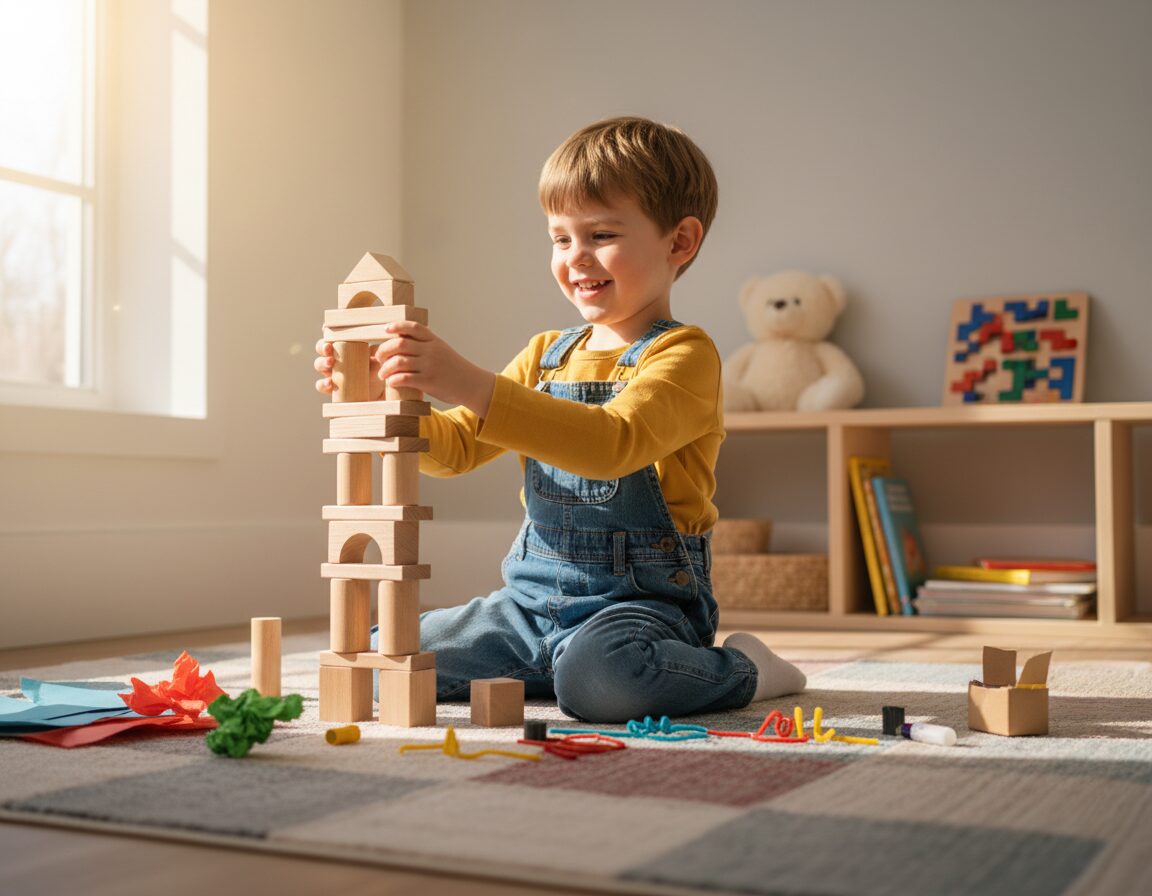
Did you know the average child in the U.S. owns over 200 playthings but regularly engages with only about a dozen? This surprising fact hints at a hidden truth in our homes.
We often think more toys mean more fun. Yet, the opposite can be true. A simpler space can unlock a world of deeper, more magical play.
Susan Newman, Ph.D., writing for Psychology Today, observed that young children show more advanced imagination when they have a limited selection. Their minds stretch further.
Choosing simplicity isn’t about taking away joy. It’s about giving your child the gift of focus and invention. This shift can reduce clutter and stress for the whole family.
In this quick read, we’ll explore the transformative ways a curated environment fosters connection, calm, and cherished creativity in your daily life.
Key Takeaways
- Children often play more deeply and imaginatively with a smaller number of toys.
- A less cluttered play space can reduce overwhelm for both kids and parents.
- Focus and attention spans tend to improve in a simplified environment.
- Family time can become more peaceful and connected.
- Quality of play often increases when quantity of toys decreases.
- Making this change is a practical step toward a more intentional home.
Why Fewer Toys Can Spark Creativity
What if the key to unlocking your child’s imagination was actually having less? It sounds counterintuitive, but it’s true. A curated collection can ignite a creative spark that a mountain of playthings often smothers.
Susan Newman, Ph.D., noted in Psychology Today that young children demonstrate more advanced, sophisticated play when they have a limited selection. Their minds aren’t overwhelmed, so they dive deeper.
Encouraging Open-Ended Play
When kids face a sea of options, they tend to skim the surface. With just a few cherished items, they explore each one thoroughly. Open-ended toys, like simple wooden blocks or cloths, become magical tools.
A block isn’t just a block. It becomes a spaceship, a castle tower, or a dinosaur egg. This type of open-ended play stretches the mind and builds vital cognitive skills.
Discovering New Ways to Use Everyday Items
Sometimes, the best playthings aren’t toys at all. A landmark study by Strick and Schubert in a German kindergarten proves this. They removed all toys for three months.
The toddlers didn’t just cope; they thrived. They used chairs to build forts and sticks to draw in the sand. They invented complex social games from scratch, fueled purely by their own imagination.
This shows us that scarcity breeds invention. When children aren’t given every answer, they learn to ask brilliant new questions. It’s a powerful lesson for their future development.
Benefits of Fewer Toys at Home
Imagine a playroom where your child can truly concentrate, free from the distraction of endless options. This isn’t just a dream. A study highlights a striking fact: the United States is home to 3.1% of the world’s children but 40% of its toys. This abundance often creates a cluttered space that scatters a young mind’s attention.
With a curated collection, kids learn to focus on one activity at a time. This single-tasking is a cornerstone of healthy child development and growing emotional intelligence. It’s one of the most meaningful ways simplicity supports your child.
Fostering Better Focus and Mindfulness
The average American child receives seventy new toys a year. This constant influx can make deep, patient play a challenge. When you intentionally provide fewer toys, you give a gift: the chance to practice mindfulness.
Creating a dedicated area for a select few playthings helps toddlers engage fully. Their overall attention span grows. This 5 min read explores how that focused environment nurtures calm and connection.
Building Resilience and Problem-Solving Skills
What happens when children aren’t handed every solution? They invent their own. With limited resources, kids build resilience by tackling challenges head-on.
Figuring out how to balance a towering stack of blocks is more than a game. It’s problem-solving in action. These moments are where critical skills are forged, fueling their cognitive and emotional development for years to come.
Simplified Playtime Leads to Deeper Learning
The real magic of learning often happens not in a whirlwind of options, but in the quiet focus of a simple activity. This is the core idea behind research like Kim John Payne’s in Simplicity Parenting. He found that with fewer toys, play becomes more peaceful and meaningful.
Enhancing Attention Span and Engagement
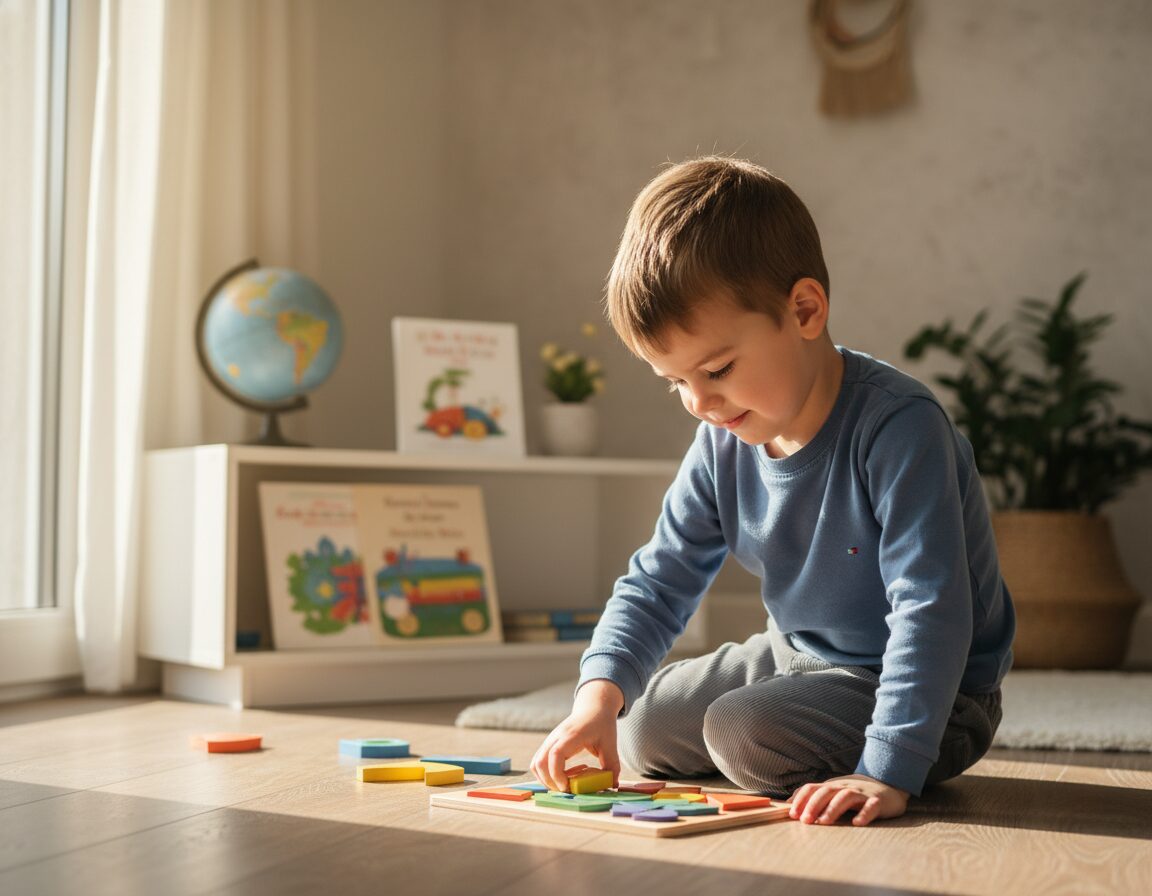
Think of a child’s mind like a spotlight. Too many toys in the space create distracting glare. A curated selection lets that spotlight shine brightly on one task. This builds a longer attention span—a vital skill for school and life.
When toddlers aren’t overwhelmed by clutter, they engage fully. A single set of blocks can become a complex city. This deep, patient exploration is where real cognitive development happens.
The result is a higher quality of playtime. Children stick with challenges, building problem-solving muscles. A study of habits shows that simplifying available toys significantly increases the richness of their play.
Fewer Toys, More Order: A Parent’s Perspective
Ever find yourself tripping over playthings in the living room after a long day? You’re not alone. This daily reality is why many caregivers are choosing a simpler approach.
Reducing Clutter and Lowering Stress
A streamlined collection directly cuts down on the mess. Kathleen Smith, co-owner of Smiling Tree Toys, puts it perfectly: focus on making memories, not messes.
With less to pick up, your stress levels drop. The whole family enjoys a more peaceful space. This calm can transform your entire home atmosphere.
Teaching Toy Appreciation and Responsibility
When children have a manageable number of items, they learn to value each one. They are more likely to put their treasures away.
This fosters a sense of responsibility—a key part of personal development. It works for kids of all ages.
Curating a smaller set of playthings creates a calm environment. It fosters creativity and provides positive experiences for everyone.
Innovative Ways to Create a Balanced Play Space
Creating a balanced play environment is easier than you might think, and it starts with a simple shift in perspective. It’s about designing a space that invites deep engagement without the visual noise.
Implementing Toy Rotation Systems
Julia Ubbenga, who teaches simplicity to over a million people, recommends a clever tactic. Rotate your child’s playthings every two to three weeks.
This system manages the number of toys available at once. It keeps the living room feeling fresh and exciting, sparking renewed interest in forgotten treasures.
Encouraging Meaningful Family Interactions
With a curated selection, you naturally create more open time. This opens the door for cherished family moments, like reading together or exploring outdoors.
These shared experiences build connection far beyond any material gift. They become the memories your kids will carry for years.
Adopting Minimalist Strategies for Lasting Impact
A minimalist approach helps children learn to truly value what they have. It builds essential life skills, like the ability to share with others during play.
This philosophy nurtures creativity and positive development for all ages. It transforms your home into a calm space for open-ended play and joyful experiences.
Conclusion
As we’ve explored, a curated environment does more than tidy a room—it shapes a childhood. Experts like Susan Newman, writing in Psychology Today, highlight clear advantages for young children, and research shows that having fewer toys fosters better focus and richer play.
By reducing clutter, you create a peaceful space where your child can engage deeply, nurturing their unique talents and building essential life skills.
Consider this short read your reminder. Embracing this approach is a powerful way to support your kids as they grow, offering them the gift of a more meaningful and intentional life.
We hope you feel inspired to begin your own journey toward a simpler, more joyful home today.