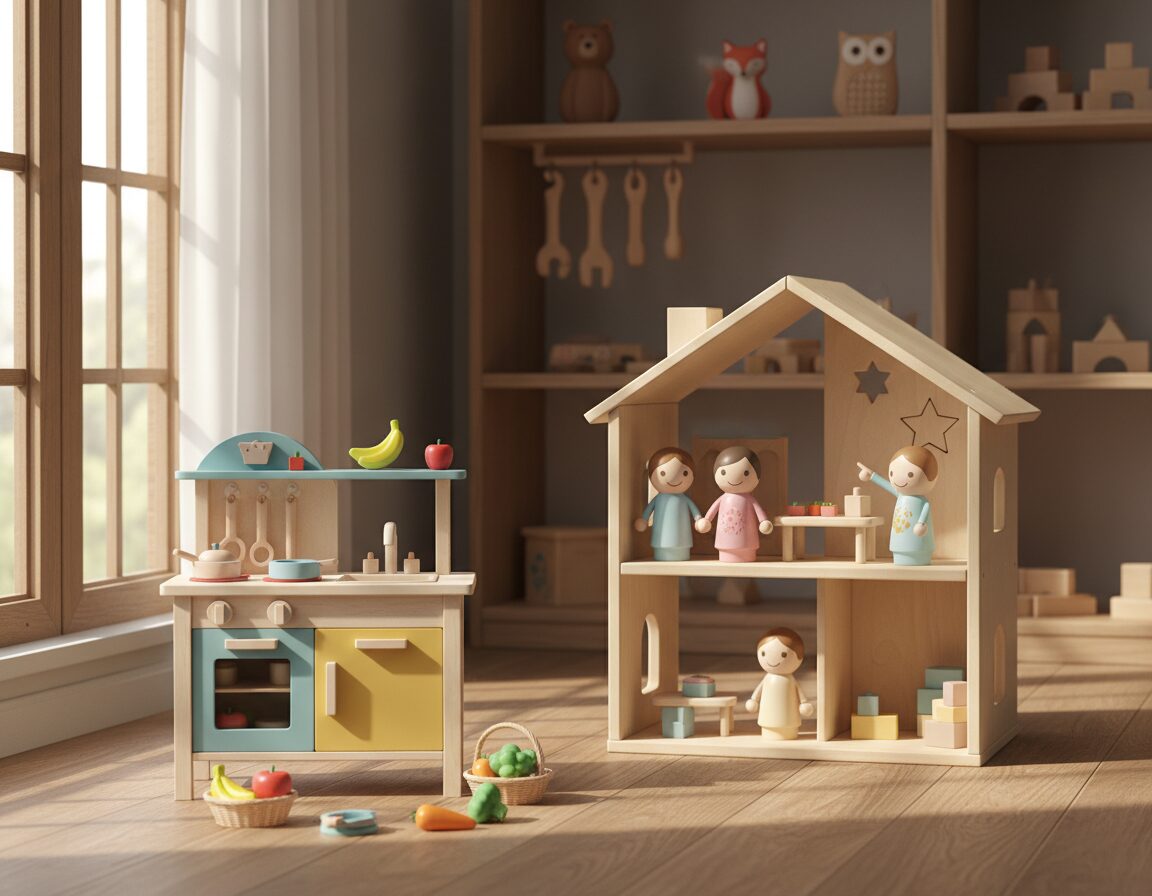
What if the simplest wooden figures could teach your child about complex feelings?
This journey isn’t about fancy gadgets. It’s about connecting with cherished, hands-on treasures that build a foundation for life. When little ones engage with these items, they’re doing much more than having fun. They are building essential emotional intelligence and social skills.
Consider the Bumbu Kangaroo Family Set, crafted from sustainably sourced maple wood for children aged 3 and up. Or the grand Bumbu Castle, a wooden playground that sparks imagination. A hand-painted figure like Bumbu King encourages leadership. The Lübeck House stimulates creative storytelling. Each piece turns daily games into powerful learning moments.
By choosing items made from materials like sustainably sourced maple wood, you provide a safe, tactile experience. This makes exploring big concepts feel natural. These carefully curated tools help kids identify their own feelings and understand others. They foster a deep sense of empathy and contribute to long-term emotional growth.
Key Takeaways
- Simple, well-made items can be powerful tools for a child’s emotional development.
- Hands-on, tactile experiences make learning about complex feelings feel safe and natural.
- Choosing sustainable materials supports both your child’s growth and the planet.
- Specific sets, like family figures or castles, help kids build imagination and social skills.
- This type of activity helps children identify their own feelings and develop empathy for others.
- Intentional selection of these resources nurtures essential skills for future success.
Introduction to Wooden Role-Play Toys and Emotional Growth
How can a simple wooden castle help a young mind grasp the nuances of friendship and kindness? This journey into emotional growth begins with a cherished, hands-on approach. As Amy Webb, Ph.D., notes, parenting with confidence comes from knowledge, while grace springs from insight.
Understanding the Significance of Play in Child Development
Play is the primary tool a child uses to comprehend the world. When kids engage in games, they build essential emotional skills. This active process is the foundation of social emotional learning.
It helps young children navigate their social world with both confidence and grace. They learn to identify their own feelings and understand others.
The Eco-Friendly Appeal of Wooden Toys
Choosing items made from natural materials like wood creates a safe, durable environment. This tactile experience makes exploring big concepts feel natural for children.
These resources turn everyday moments into opportunities for growth. They support a child’s emotional development and nurture lasting emotional intelligence.
By selecting eco-friendly options, you provide a meaningful path for your child’s inner growth.
The Science Behind Emotional Development in Children
Science reveals that the act of make-believe is more than just fun—it’s a workout for the young brain. Child development experts confirm that pretending activates specific regions responsible for empathy and self-regulation.
How Play Contributes to Social Emotional Learning
This learning is rooted in daily interaction. When kids engage in games, they practice vital abilities.
They navigate situations where they must share and resolve conflicts. This builds a strong foundation for understanding others.
Discover more about the social skills strengthened with wooden toys.
Natural Materials: Wood as a Catalyst for Connection
Natural items offer a unique, tactile experience. This physical connection helps young minds ground their big feelings in the real world.
Parents can use these cherished tools to guide the growth process. It helps children learn to identify and manage their inner states effectively.
Our selection is designed to foster emotional intelligence. It provides a safe space for practicing communication.
Innovative Role Play Toys for Emotions That Inspire Growth
Imagine a world where your child’s favorite playthings become gentle guides through the landscape of their inner feelings. The right resources can turn daily games into powerful lessons for emotional development. They provide a safe space for exploring complex states of mind.
Top Choices for Fostering Emotional Expression
Our curated selection includes cherished items designed to nurture emotional intelligence. Each piece supports key emotional skills through hands-on engagement.
- The Bumbu Kangaroo Family Set ($69.30) helps young children explore family dynamics and care.
- With the Bumbu Castle ($400.00), kids build social skills and confidence in imaginative scenarios.
- The Bumbu King ($36.90) encourages leadership and managing big emotions wisely.
- The Bumbu Lübeck House ($21.50) lets children construct stories about their friends and community.
Real-Life Examples and Success Stories
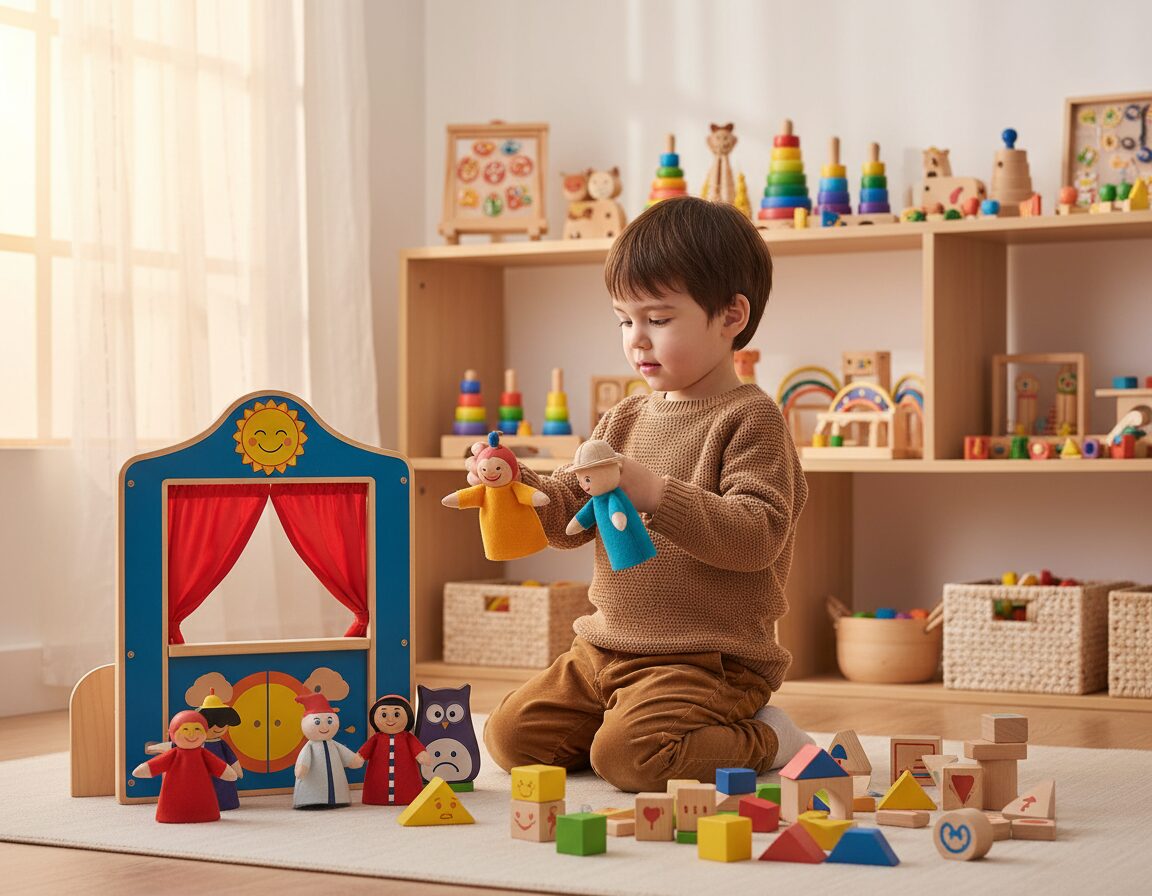
Many parents share how these learning toys help kids in real life. One mom noted her son used puppets to act out different emotions after a difficult day. This way of processing built his communication skills.
Another story involves a child who practiced sharing and empathy with the wooden castle figures. These toys teach vital lessons through play. They support intentional parenting aimed at long-term growth.
Practical Ways Toys Build Emotional Skills
Consider how a soft plush companion or a deck of cards can transform overwhelming feelings into learning opportunities. Everyday items become gateways to essential social emotional learning. These practical tools offer direct paths to building your child’s inner strength.
Enhancing Empathy Through Role-Playing and Storytelling
Cooperative games like “Caring Cats” or “Stone Soup” create a fun, supportive environment. Children learn teamwork and how to consider others. Storytelling with puppets lets young children act out different social situations safely.
Developing Communication and Self-Regulation Through Play
When kids face big emotions, tools like “mediTate” relaxation companions guide mindfulness. This practice helps with self-regulation. It also builds vital communication skills as they describe their inner world.
Parent Strategies and Interactive Play Techniques
Our interactive techniques, like using “Table Topics” cards, encourage families to talk about gratitude. This simple process builds emotional intelligence together. By incorporating these resources into daily parenting, you give children what they need to navigate life.
These toys help kids understand they can manage their feelings. This is a vital part of their overall emotional development and growth.
Sustainable Play: The Impact of Eco-Friendly Wooden Toys
Have you ever considered how a toy’s journey from forest to hands shapes a young heart? Choosing items made from natural materials does more than reduce waste. It builds a foundation of respect for our world while supporting your child’s inner growth.
Safety, Durability, and Environmental Benefits
Every cherished piece from our collection is built for safety and longevity. This gives parents real peace of mind. You can trust these resources during years of imaginative exploration.
Opting for eco-friendly items today is an investment in durability. Well-crafted wood withstands the test of time, minimizing landfill contribution. This connection to nature is a key part of social emotional learning and overall well-being.
Our commitment means each item is crafted with care for your child and the planet. My Toy Wagon supports this journey with expedited delivery and customer service Monday to Saturday.
Choosing sustainable resources offers clear advantages for emotional development:
- Safe Exploration: Non-toxic, solid construction allows kids to focus on their feelings and stories without risk.
- Less Waste, More Meaning: Durable designs reduce consumption, teaching values that align with nurturing emotional intelligence.
- Natural Connection: The tactile warmth of wood helps children feel grounded, which can enhance emotional learning.
- Built for Sharing: These heirloom-quality pieces encourage cooperative play, directly building social skills and empathy.
Ultimately, these thoughtful choices help kids grow in a holistic way. They learn that caring for objects mirrors caring for people. Discover more about the social benefits of using wooden toys and how they foster community understanding.
Conclusion
The journey of nurturing a child’s heart begins with the simplest, most intentional choices. Selecting the right resources is a powerful way to enhance your child’s emotional intelligence. It provides them with essential skills for a lifetime.
From empathy dolls to wooden playsets, these tools help kids navigate their feelings. They build strong, positive relationships with others. This foundation supports their overall development.
By fostering open conversations and structured games, you create a nurturing environment. Children feel supported and understood here. This approach turns daily moments into meaningful learning.
We invite you to explore our curated list. Find the perfect fit for your family’s unique journey. Investing in quality, sustainable toys is an investment in future happiness.
It strengthens a young person’s ability to manage big emotions. Get in touch with our experts today for a free consultation. Learn more about how these cherished items can support your children.