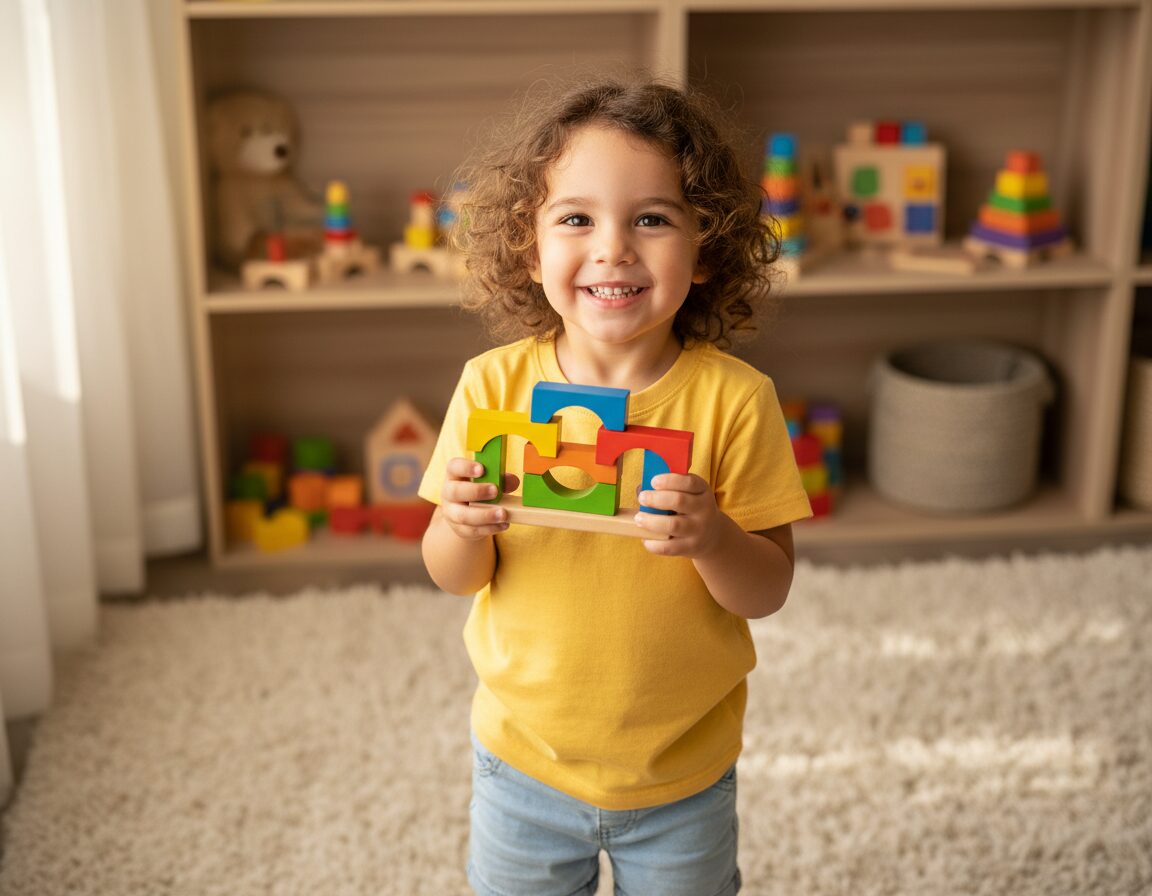
What if a simple block could be your child’s secret weapon for navigating big feelings?
When your little one steps into the big, wide world, they often need a small, tangible anchor. This object helps them feel safe and secure. It’s a bridge between the comfort of home and the new experiences ahead.
Parent educator Genevieve saw this firsthand. Her eldest son became deeply attached to a simple green block at 14 months old. He carried it everywhere. This special item helped him regulate his emotions during daily changes.
Much like that cherished block, simple, well-made play things can become a constant companion. They offer comfort during tricky daily transitions. By choosing a high-quality item, you give your child a durable, sensory-rich object. It can withstand the rigors of daily use.
Understanding that these objects are temporary tools is powerful. It helps parents see that even a simple item can make a massive difference in emotional growth.
Key Takeaways
- Children often form deep attachments to a specific object for comfort and security.
- These special items act as a bridge between familiar settings and new experiences.
- A simple, high-quality toy can be a powerful tool for emotional regulation.
- The durability and sensory feel of natural materials support daily, hands-on play.
- Parental understanding of this phase can reduce stress and support a child’s development.
- These attachments are usually a temporary and healthy part of growing up.
Understanding Transition Times in a Child’s Day
The space between activities in your child’s schedule is where big feelings often surface. These moments—like moving from play to lunch or preparing for nap time—are a significant part of their day. For young children, each shift requires emotional energy they are still learning to manage.
The Emotional Impact of Daily Changes
April Karschner, a mother of five, observes that a lot of toys can overwhelm kids when they navigate their day. This clutter makes it harder for them to focus during these sensitive times.
When a youngster feels swamped by their surroundings, processing those big feelings becomes a challenge. Karschner suggests that assessing the current toy situation is a powerful first step.
Common Challenges During Transitions
The key hurdle is a lack of security. Without a familiar anchor, moving from one task to the next can feel unsettling.
Remember, little ones are developing emotional regulation skills. A simple, cherished object can offer the stability they crave.
By simplifying the play space, you help your child feel grounded. This makes moving through the day’s rhythm much smoother.
Embracing “wooden toys for transition times” for Comfort and Security
There’s a special kind of magic in how a natural, sensory-rich item can ground a little one during life’s little transitions. As Bumbu Toys points out, natural materials offer a grounding experience that helps children feel calm and connected to their environment.
Why Wooden Toys Stand Out as Calming Tools
These special playthings create a tactile, sensory-rich experience. It helps your child feel more connected to the present moment. The natural weight and texture of the material can be a soothing influence when they feel unsettled.
Unlike plastic alternatives, these treasures offer consistent, calming sensory input. This consistency helps kids navigate the challenges of growing up. Holding a smooth, hand-carved object feels warm and comforting in small hands.
This item serves as a reliable bridge. It provides the security of a familiar object while your child learns to manage their own feelings. Many parents find that a weighted plush animal used alongside it adds gentle, grounding pressure for quiet moments.
Implementing Wooden Toys: A Practical How-To Guide
The journey from a cluttered play space to a calm, supportive one begins with two simple steps: selection and rotation.
This approach helps your child focus and feel secure during daily changes.
Choosing the Right Toy for Your Child’s Needs
Start by looking at what you already have. Pick items that encourage creativity and calm.
Open-ended options like stacking blocks are perfect. They let kids build, sort, and imagine in countless ways.
This type of play holds their attention longer. It also supports problem-solving during the day.
Integrating Wooden Toys into Daily Routines
Expert April Karschner offers a brilliant strategy: a toy rotation system. Keep only 4 to 15 playthings available at once.
Store the rest out of sight. Every 4 to 6 weeks, swap them out. This keeps the environment fresh and engaging.
Your child will explore each item more deeply. They’ll also learn to anticipate “what’s next,” making transitions smoother for everyone.
Enhancing Transitions with Sensory Play and Creative Strategies
Sensory-rich activities can transform tricky moments into opportunities for connection and growth. By moving beyond simple objects, you can build a toolkit of creative strategies. These methods help your child navigate the rhythm of the day with more confidence and calm.
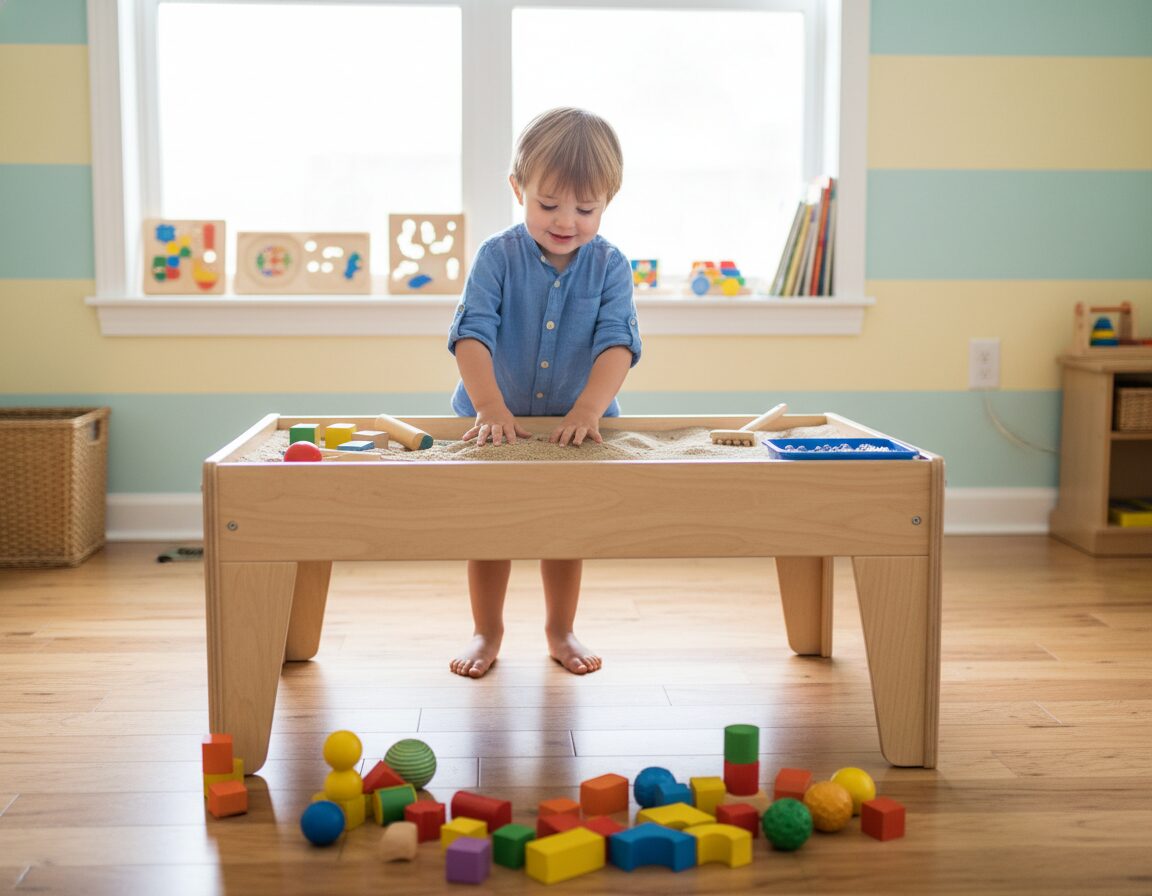
Creating a Calm Down Corner at Home
A dedicated space allows your child to retreat when feeling overwhelmed. Stock it with just a few favorite toys. This simplicity helps them focus and breathe.
It becomes a safe harbor during busy time. Your little one learns to self-soothe in this special nook.
Mixing Sensory Play with Traditional Wooden Toys
Combine classic items with tactile experiences. A bead maze, for instance, is a fantastic tool. It helps a child focus and find calm.
Mixing this with traditional stacking toys provides a lot of soothing exploration. Kids explore textures and movements that ground them.
This blend deepens their play and supports emotional regulation beautifully.
Supporting Emotional Regulation for Both Kids and Parents
Remember, parents also have big feelings. Using these sensory tools can help you stay present.
When you sit and engage in quiet play, you model calm behavior. You strengthen your bond through shared experiences.
Explore more ideas with these calm sensory wooden toys for toddlers. By offering varied, sensory-rich toys, you give children the tools they need to navigate emotions in a healthy way.
Conclusion
The tools we choose for our children can shape their emotional landscape for years to come.
Navigating daily changes is a journey that asks for your patience and the right supportive toys. By selecting meaningful items, you give your child a deep sense of security.
Remember, the goal of play is not just to occupy kids. It’s to help them feel safe, seen, and deeply connected to you.
These cherished objects are temporary. Yet, the emotional regulation skills they help build will last a lifetime.
We hope this guide supports you in creating a more peaceful home where your whole family can thrive together.