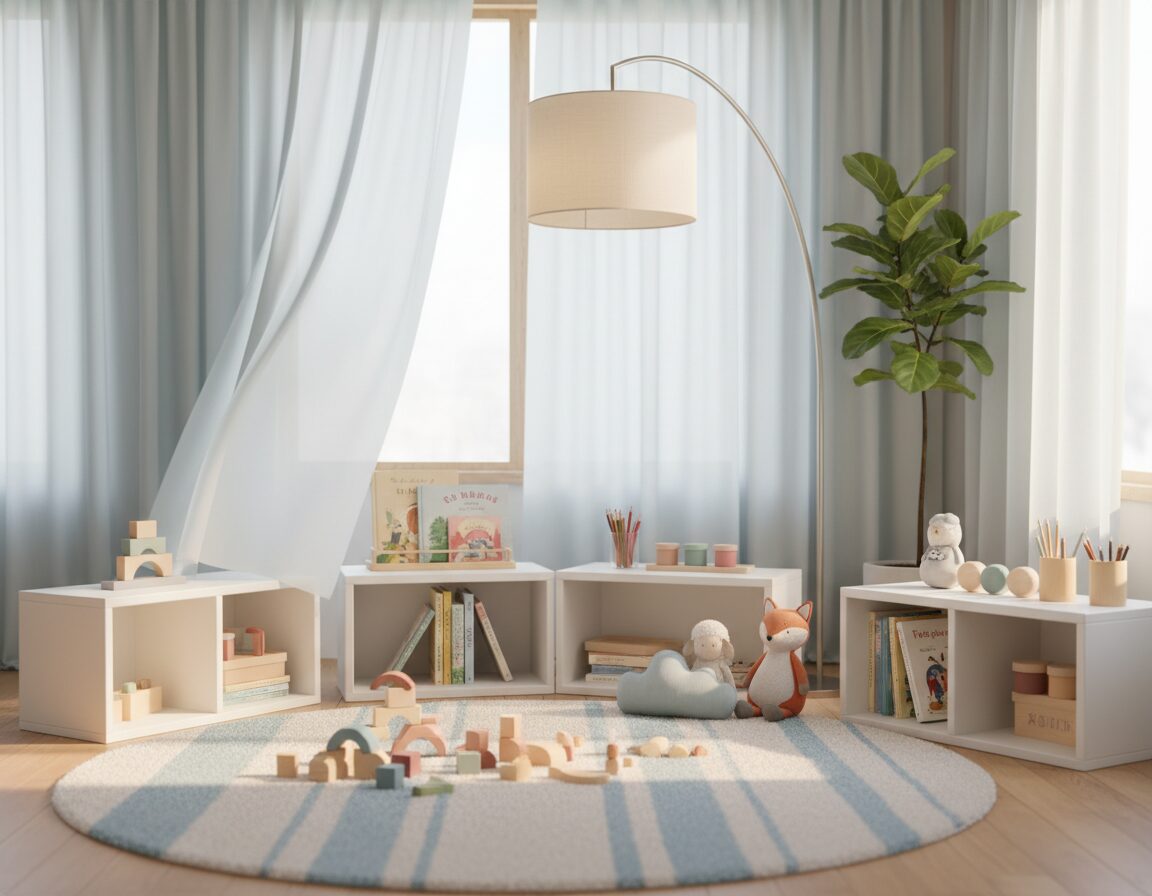
Did you know that about one in five children currently deals with mental health challenges like stress, sadness, or anger? This statistic from therapist Alicia Ead, LICSW, highlights a pressing need in our homes and schools.
When a child feels overwhelmed, it can be hard for them to focus on schoolwork or connect with friends. Big emotions need a safe outlet.
That’s where a dedicated room or area makes a world of difference. It offers a quiet retreat from the busy community. This special spot is not a replacement for professional help. It’s a necessary time to reset during the day.
By providing this sanctuary, we acknowledge the stress our kids face. We give them tools to manage feelings before rejoining activities. For more specialized ideas, explore our guide to autism-friendly wooden play solutions.
Key Takeaways
- One in five children experiences mental health challenges like stress or sadness.
- A dedicated quiet area helps children process big emotions safely.
- This space supports focus in school and social interactions with friends.
- It serves as a daily reset tool, not a replacement for professional care.
- Providing a retreat acknowledges a child’s need for emotional support.
- Simple corners in a home or community center can act as a sanctuary.
- Managing internal stress helps a child return to activities with a clear mind.
Understanding the Benefits of a Calming Corner for Children
Research and expert guidance now point to a more supportive approach than traditional time-outs for helping children navigate emotions. This dedicated corner is a tool for growth, not a punishment.
Emotional Development and Self-Regulation
Therapist Alicia Ead, LICSW, emphasizes that a calming corner helps a child learn to manage their feelings. Studies show this is more effective than isolation. It’s a safe place to practice vital self-regulation skills.
When your child uses this room, they begin to name their emotions. This is a foundational step in their emotional education. They gain control before rejoining family activities.
Enhancing Learning and Social Skills
The skills practiced here directly help at school and with friends. A child who can handle stress can focus better in class. They also navigate social moments with more confidence.
For families needing extra support, resources like Bradley Hospital’s outpatient programs offer specialized help. Your community has resources for complex emotional needs.
This space gives kids a way to process their day. They return to their world feeling heard and ready.
Tips for Creating a Calm Play Space
You can transform any quiet nook into a haven for emotional reset with these practical steps. Focus on two key areas: the location and the comforting items you include.
Choosing the Ideal Spot for Relaxation
Look for a peaceful area in your home away from busy sounds. Generation Mindful notes it doesn’t need to be a literal corner. A hallway nook or spot behind a couch works perfectly.
This dedicated place offers your child a retreat for quiet moments. It signals a break from daily activities.
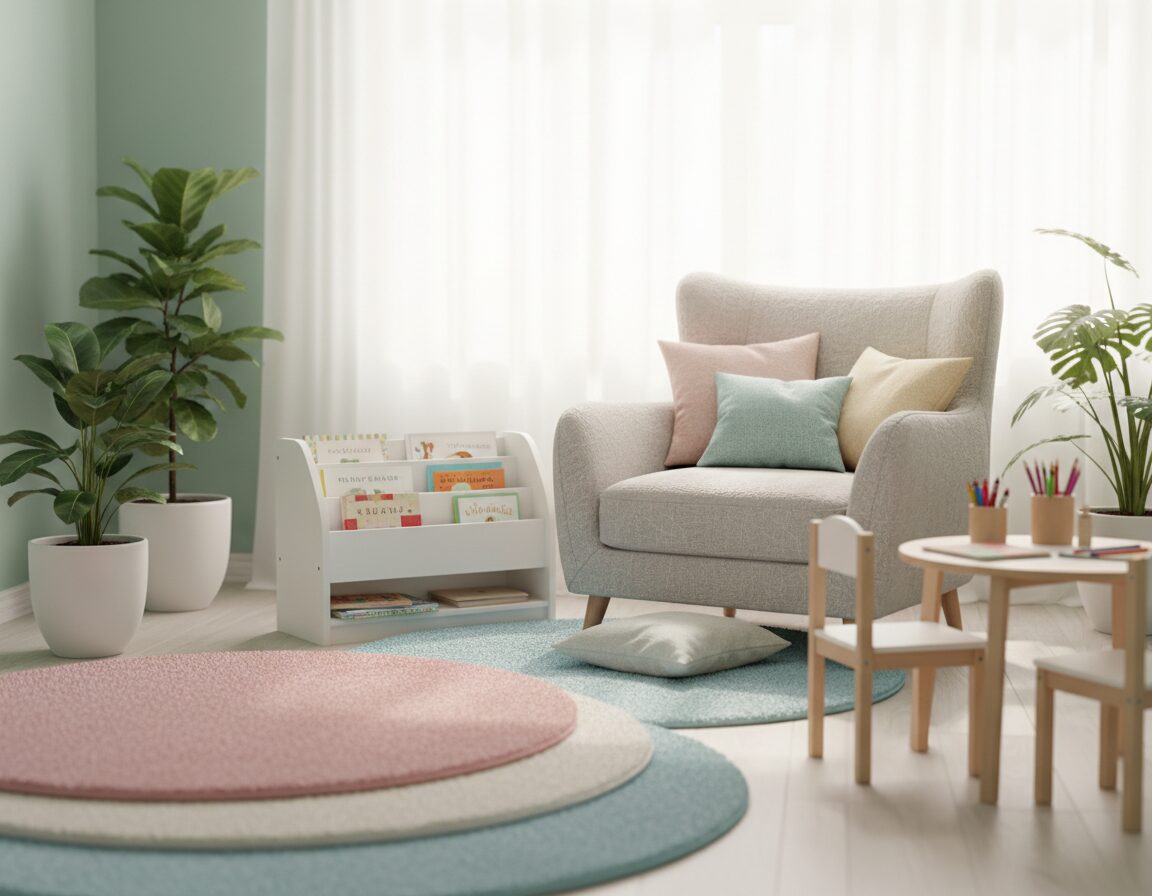
Selecting Comfortable Seating and Calming Tools
Fill the space with soft, welcoming items. Think pillows, favorite books, and sensory balls. For toddlers, creative ideas like a cozy dog bed define the spot.
Include calming tools like rice bags or fidget toys. Remember, too many objects can overwhelm. The Time-In Toolkit is great for children three and up, but many families start earlier.
These tips encourage independent play. Your kid learns to explore feelings through sensory activities. A consistent setup helps practice life skills, like breathing techniques. It’s a simple way to support their emotional growth.
Designing a Sensory-Rich Environment for Independent Play
Building a sensory-rich environment turns a simple area into a hub for independent discovery and emotional growth. This approach fills your home with tools for self-regulation.
It invites your child to explore textures, sights, and sounds at their own pace. This dedicated space becomes a cherished retreat.
Incorporating Sensory and Educational Elements
Start with hands-on activities like a sensory tube. Fill a clear bottle with water, oil, and glitter for a mesmerizing visual activity.
Add educational items like puzzles or books about feelings. These resources build essential life skills through play.
Julie from GENM suggests a daily ritual of 5-10 minutes in this corner. This short time helps children see it as a positive place, not a punishment.
Utilizing Nature, Music, and Visuals for a Peaceful Ambiance
Bring the outdoors inside with pinecones or smooth stones. These natural textures offer grounding sensory experiences.
Soft, instrumental music can lower stress and create a calming backdrop. Combine this with dim lighting for serene moments.
This multi-sensory way addresses your child‘s emotional needs. It provides the support they require to navigate their day.
Your kids gain resources for independent activities. Every quiet room or area becomes a chance for growth and education.
Conclusion
A thoughtfully arranged corner in your home does more than provide quiet; it builds resilience. This dedicated area is a powerful way to support your child as they learn to navigate big feelings.
By providing the right items, you help children develop the self-regulation skills they need. These skills directly support their success at school and in social activities.
Whether you use simple ideas or more structured activity, the goal is a consistent place where kids feel safe. Remember, this time is about fostering independence and emotional intelligence.
These small experiences contribute to a more peaceful home. For gentle tools that support this play, explore our guide to calm sensory wooden toys. You are giving your children a lifelong gift.