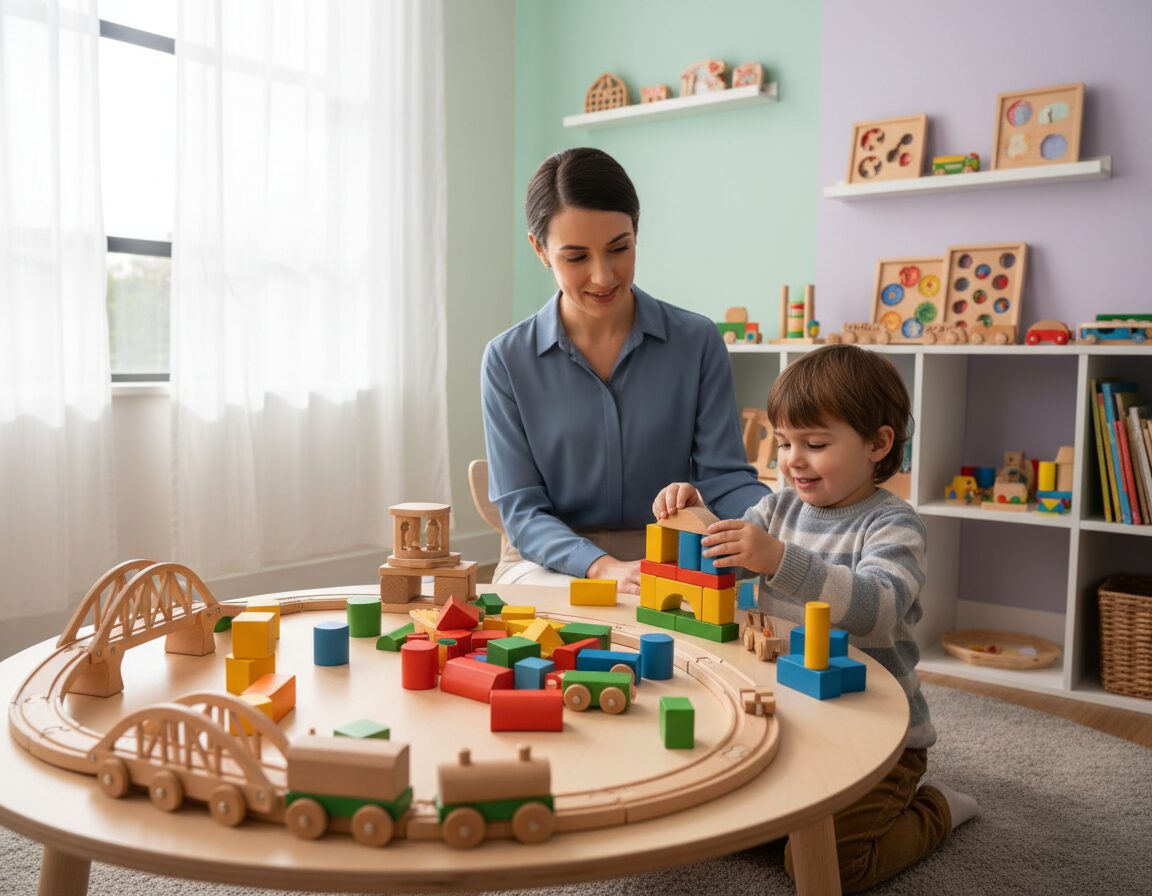
What if the simplest playthings could unlock the deepest emotions?
When you watch a young one completely absorbed in their world of make-believe, you’re seeing more than just fun. You’re witnessing the foundational way they process experiences and build understanding. As pioneering therapist Dr. Garry Landreth put it, “toys are the child’s words, and play is their language.”
This highlights why selecting the right tools is so crucial. Unlike bright, mass-produced items, objects made from natural materials offer a unique simplicity. This quality invites focused creativity and helps little ones feel calm and grounded.
By integrating these cherished treasures into therapeutic settings, you provide a safe, tactile medium. It supports emotional growth and helps children navigate complex feelings with more ease. These tools become a vital bridge between structured guidance and the natural, joyful magic of play.
Key Takeaways
- Play is a child’s primary language for expressing thoughts and feelings.
- Simple, natural materials encourage deeper, more focused engagement.
- These items provide a safe and tactile medium for emotional exploration.
- They help bridge structured therapeutic support with the natural joy of play.
- Choosing the right tools can significantly impact a child’s developmental outcomes.
- This approach actively nurtures creativity and problem-solving skills.
- It offers a grounding and calming experience during formative years.
Exploring wooden toys in child therapy
In a world of flashing lights and loud sounds, the quiet presence of simple objects offers a unique kind of magic. This is where natural materials shine. They provide a gentle, grounding counterpoint to the overstimulation many kids face daily.
The Natural Appeal of Wooden Materials
These items are crafted from eco-friendly, non-toxic sources. This means they avoid the harsh chemicals often found in plastic alternatives. Their solid feel and natural texture are inherently calming.
In a therapeutic setting, this safety and warmth help children develop a sense of security. It creates a foundation for emotional healing and personal growth.
Simplicity that Sparks Imagination
Without batteries or predefined functions, these treasures demand creativity. A set of blocks becomes a castle. Animal figurines transform into a whole community of friends.
This open-ended quality is powerful. Therapists use items like wooden puzzles to help young ones express feelings that are hard to put into words. A child might use a lion to show bravery or a bridge to talk about connection.
This playful activity strengthens vital social skills like sharing and empathy. It turns communication into a natural, stress-free exploration for everyone involved.
Therapeutic Benefits and Skill Development
Imagine a tool that simultaneously calms the senses and challenges the mind. This is the magic of using simple, natural playthings in supportive settings. They offer a versatile range of experiences that nurture growth across multiple domains.
Building Fine Motor and Sensory Skills
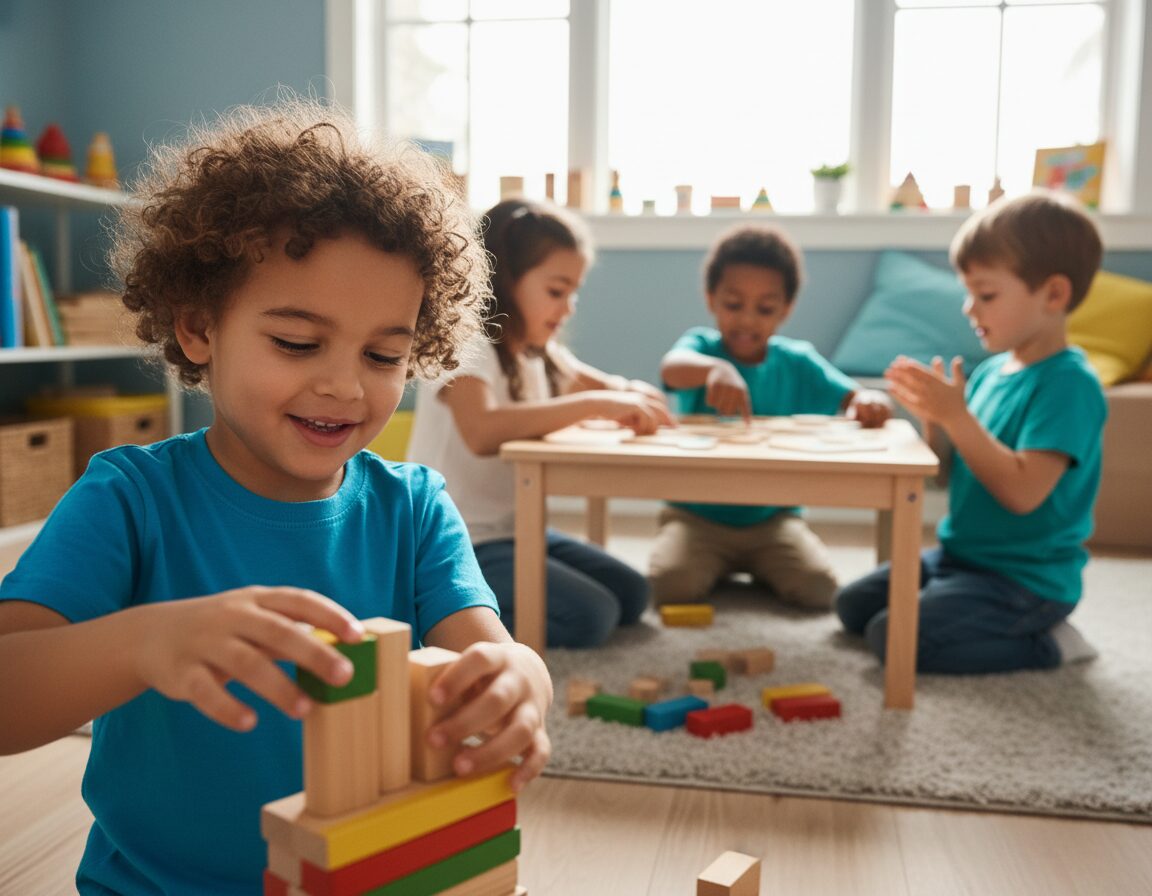
Items like stacking rings or a balance board require precise movements. Gripping, balancing, and placing each piece strengthens little hands and improves coordination.
This tactile activity is foundational. It directly supports the development of fine motor skills needed for writing and self-care.
Fostering Emotional Expression and Communication
Young ones often struggle to verbalize complex feelings. Here, animal figurines become powerful proxies. A child might use a bear to show fear or a bird to represent freedom.
Acting out scenarios with these objects fosters empathy and improves communication. It turns internal struggles into external stories everyone can understand.
Enhancing Speech and Language Learning
Blocks engraved with letters transform practice into play. Forming simple words becomes a hands-on, engaging game.
The solid feel of the material helps kids focus. This makes pronunciation exercises and vocabulary building feel like a natural part of their joyful exploration.
Using Wooden Toys Effectively at Home and in Therapy
Bringing the principles of supportive play into your own space can feel like a gentle revolution. It’s about creating a consistent environment where growth and healing are woven into daily joy.
Creating a Calm, Engaging Play Space
Start by setting up a quiet, dedicated corner. This simple act signals to your little one that this is their special haven for exploration. It helps children feel in control and deeply understood.
Companies like Bumbutoys specialize in handcrafted treasures designed for this very purpose. Their selection includes solid blocks and clever fidget tools. Many orders even come with free shipping, making it easy to begin.
Letting the Child Lead with Playful Exploration
The most powerful way to use wooden toys is to follow your child’s imagination. Instead of giving instructions, watch and listen. This approach empowers them and builds trust.
For example, let animal figurines become characters in their own stories. This playful activity helps children process daily experiences. It turns complex feelings into shared narratives, boosting communication naturally.
Incorporating these tools regularly supports so much. It nurtures fine motor skills through hands-on manipulation. It also gives a safe outlet for emotional expression, all within the magic of their own creative world.
Conclusion
The true power of play lies not in complexity, but in its ability to meet a child exactly where they are. Simple, natural treasures serve as a profound bridge to emotional, physical, and cognitive growth.
Whether you’re a professional or a parent, these tools offer a consistent way to help young ones process complex feelings. By integrating them into supportive sessions, you create a space where kids develop the confidence to express themselves freely.
Remember, every moment spent stacking blocks or telling stories strengthens your connection. It supports long-term healing through joyful activity.
Ready to begin? Bumbutoys offers quality products with free shipping, making your journey into meaningful play even easier.