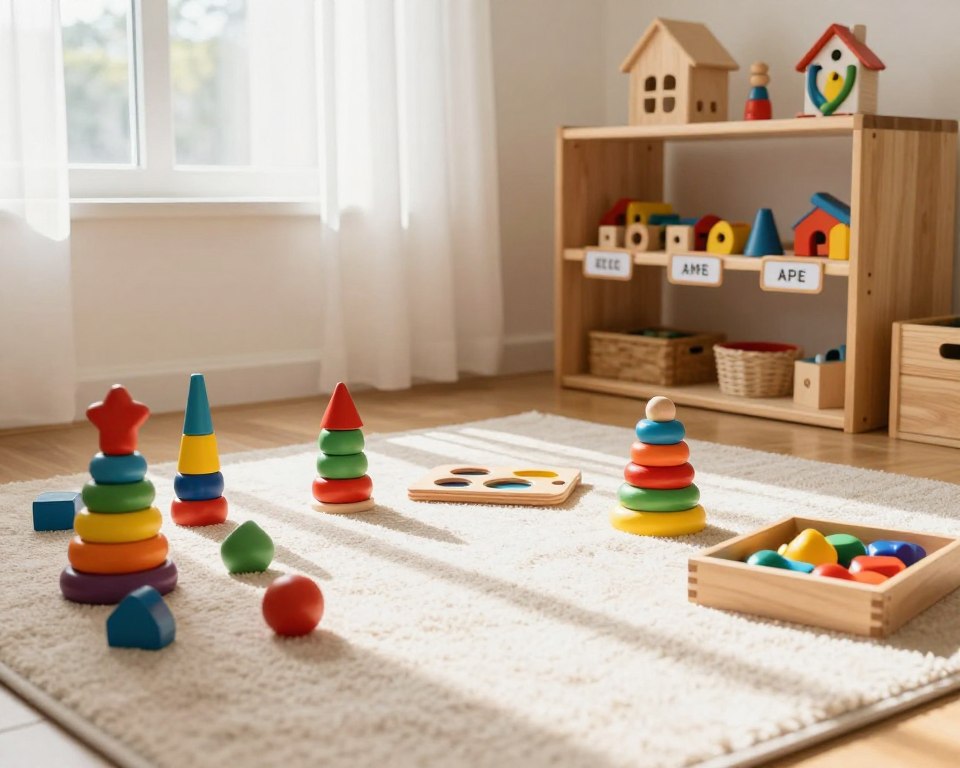
Have you ever stood in an aisle full of playthings, feeling completely lost about what to get for your little one? You’re not alone. Many parents feel that overwhelm when trying to pick items that are both fun and genuinely helpful for growth.
What if there was a simpler, more child-centered way? This approach focuses on your kid’s natural development stages. It turns guesswork into a clear path for choosing the right developmental materials.
This guide is your friendly roadmap. It’s not about filling a room with stuff. It’s about finding those special treasures that support your child’s unique journey of discovery.
Remember, every young mind grows at its own pace. While we’ll talk about general age groups, your own observation is the most powerful tool. You know your child best.
We’ll walk through specific recommendations, from newborns to preschoolers. You’ll learn about key milestones, what materials to look for, and how to build a meaningful, cherished collection.
Key Takeaways
- Choosing the right play materials can feel overwhelming, but a child-focused method simplifies the process.
- This guide serves as a practical roadmap, moving beyond entertainment to support real developmental growth.
- Your own observation of your child is more important than sticking strictly to suggested age ranges.
- You will discover age-specific suggestions, understand developmental milestones, and get tips on material quality.
- The goal is to build a thoughtful collection of items that engage your little one’s natural curiosity and learning.
- This approach respects your child’s individual readiness, using age groups as a flexible guide, not a rigid rule.
Introduction to the Montessori Approach
At the heart of this method lies a simple, powerful idea: children are born explorers, driven by an inner need to understand their world.
Understanding the Montessori Philosophy
Dr. Maria Montessori, an educator, changed how we see young minds. She saw that kids thrive through hands-on exploration, not passive entertainment.
Her core belief is that your little one is a naturally curious learner. They flourish when given materials that respect their intelligence and match their stage.
Why Montessori Toys Matter for Child Development
These special items promote deep engagement. They are designed to isolate a specific skill, allowing for focused learning without clutter or overwhelming choices.
This purposeful play builds independence, concentration, and coordination. It fosters a sense of order—qualities that form a strong foundation for life.
Modern research on brain development aligns beautifully with these principles. Choosing with this intent honors your child’s unique path and makes every selection feel meaningful.
Defining What Makes a Toy Montessori
What truly defines a Montessori toy isn’t the material it’s made from, but the thoughtful purpose behind its design. It’s about choosing items that invite your child to do, not just watch.
Engagement Over Entertainment
These materials are built for active participation. You won’t find flashing lights or batteries here. Instead, they encourage your little one to be the creator of the action.
Each item isolates a single skill, like sorting or grasping. This focused approach prevents overwhelm and builds deep concentration.
Natural Materials and Simplicity
A common myth is that they must be wooden. While beautiful, natural materials can include cotton, metal, or felt. The goal is sensory richness and durability.
Simplicity is key. A good material has a clear purpose but doesn’t dictate how to play. It becomes a cherished tool for problem-solving.
Remember, the heart of the matter is the meaningful engagement it fosters. You can embrace these principles with thoughtfully chosen items of any type.
Understanding Age Milestones and Development
Think of age milestones as friendly signposts on a journey, not strict deadlines your little one must meet. They provide helpful guideposts, but every child follows their own unique timeline for growth and readiness.
Cognitive and Motor Skill Growth
Understanding your child’s development means looking at two key areas. Cognitive growth is how they think and solve problems. This moves from simple cause-and-effect in the first few months to more complex symbolic thinking later on.
Motor skill progression is just as important. Fine motor abilities involve hand-eye coordination and grasping. Gross motor development includes larger movements like crawling and walking. Watching both areas gives you a complete picture of their current stage.
Observation and Readiness Cues
Your watchful eye is the most powerful tool you have. Notice how your child plays right now. Are they deeply focused on a specific action? This reveals the skills they are actively working to master.
Look for practical readiness cues. These include sustained interest in an activity or repeated attempts at a task. Frustration with items that are too easy is another big clue. So is a natural curiosity about more complex materials.
Remember, there’s no “behind” or “ahead.” Each child’s developmental stage is exactly right for them. Trust your instinct combined with careful observation. It will guide you better than any age label on a box.
Benefits of Montessori Toys for Child Development
Imagine playtime that strengthens your little one’s mind, body, and confidence all at once. That’s the magic of well-chosen materials. They offer wide-ranging benefits, from building deep concentration and independence to fostering problem-solving skills.
These items support cognitive development beautifully. They encourage young minds to think critically, recognize patterns, and understand cause and effect. This type of learning feels like a natural, joyful discovery.
Physically, children refine their fine motor skills through careful manipulation. Active play also enhances gross motor development. The emotional growth is just as important. Kids experience the satisfaction of mastering a challenge alone, building lasting confidence.
Open-ended materials are fantastic for sparking creativity and imagination. Since there’s no single right way to use them, children become the directors of their own play. This deep engagement naturally develops focus and patience.
These are real-world skills that serve them for life. The best part? These developmental advantages happen naturally through engaged, purposeful play with age-appropriate items.
Choosing Montessori Toys for Newborns and Infants
In those first precious months, your baby’s eyes are just beginning to make sense of everything around them. Their play looks different—it’s a gentle exploration of light, shadow, and touch.
This stage is all about supporting their developing senses without overwhelm. A few cherished, well-chosen items make all the difference.
Visual and Sensory Stimulation
Newborns see best in high contrast. Black, white, and gray patterns are perfect for their growing optic nerves.
These simple images help build concentration and attention span. A black-and-white book is a wonderful first material.
High-Contrast Materials and Simple Designs
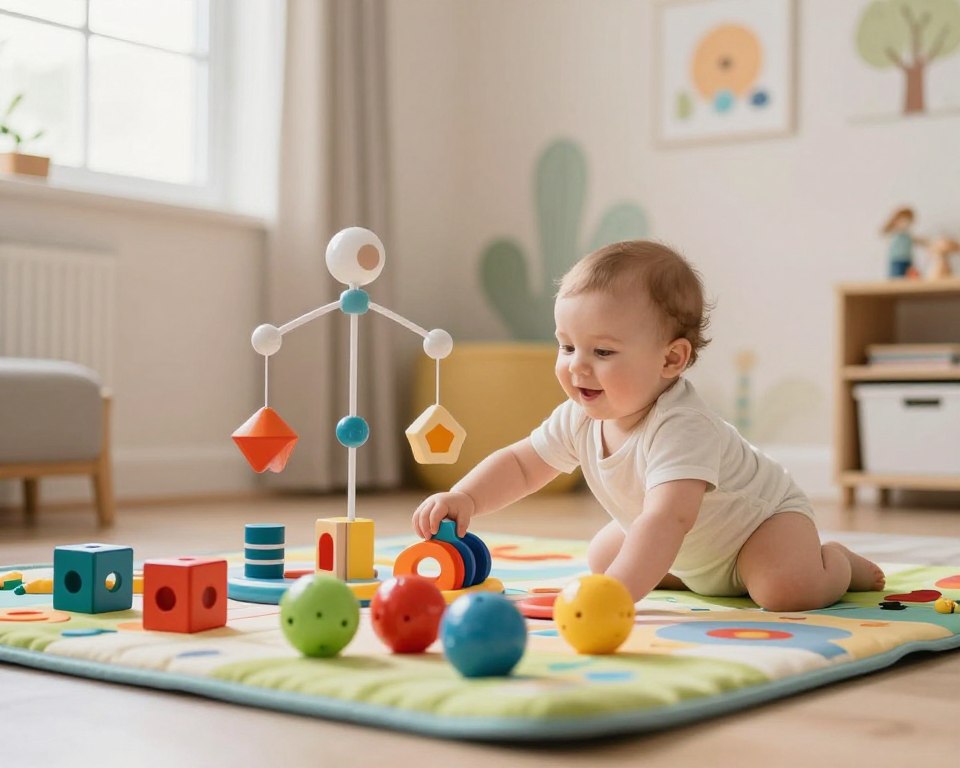
A basic play gym or mobile invites reaching and kicking. This simple activity builds early coordination.
Gentle rattles encourage visual tracking and strengthen little hands. Soft, squeezable balls are fantastic for sensory discovery.
Babies learn to transfer them between hands. Look for safe, simple items made from natural materials like wood or cotton.
Keep the space calm and uncluttered. Rotate a few key pieces to maintain your little one’s wonder without overstimulation.
Montessori Toys for 6+ Month Olds
Around the six-month mark, a wonderful shift happens—your little one’s world expands with newfound alertness and curiosity. They gain better control over their body, ready for interactive exploration. This stage is all about supporting their intentional actions and growing abilities.
Object Permanence and Interactive Play
Your child begins to understand that objects exist even when hidden. A classic Object Permanence box teaches this crucial cognitive milestone. Babies delight in dropping a ball and watching it reappear, learning cause and effect.
This marks the start of intentional interaction. Their actions produce clear results, making such materials deeply engaging.
Early Fine Motor Skill Enhancements
Textured sensory balls offer varied tactile experiences. They stimulate neural development while supporting grasp, transfer, and rolling. These simple items are fantastic for fine motor practice.
A baby-safe mirror extends tummy time and encourages movement like sitting and crawling. It also builds self-awareness. Simple musical instruments, like maracas, are wonderful too.
Shaking them builds both fine motor control and gross motor coordination. Studies show music creates brain-boosting auditory experiences.
Rotate a small selection of these treasures to match your child’s emerging skills. These months bring exciting leaps—the right materials support growth while keeping your baby happily engaged.
montessori toy selection by age: A Step-by-Step Guide
The secret to meaningful play isn’t about having more stuff—it’s about having the right stuff at the right time. This guide breaks down that process into simple, loving steps you can follow.
Your watchful eye is your most powerful tool. Forget the calendar date for a moment. What is your little one actually doing?
Assessing Developmental Readiness
Start by observing their current play. Notice what captures their full attention. Watch for the joyful repetition of a new skill, like stacking or sorting.
These are clear readiness cues. Also note when something seems too easy and boredom sets in. That’s your signal to gently introduce a new challenge.
This focused observation tells you exactly which skills they are mastering. It guides you to materials that support their current learning focus perfectly.
Curating a Rotational Toy Set
Once you know their needs, curate a small, balanced collection. Offer just 6-8 items at a time. This prevents overwhelm and deepens engagement.
Include pieces that nurture different areas: fine motor, problem-solving, and creative expression. Store the rest out of sight.
Rotate them when you see interest wane. This keeps the environment fresh and exciting. It respects your child’s need for order and mastery.
This intentional system simplifies your life, too. With time, it becomes a natural rhythm that maximizes joy and development.
Fine Motor Skill Development Through Montessori Toys
Those tiny fingers are busy at work, building the foundation for future tasks like writing and buttoning. These small muscle movements are called fine motor skills. They are crucial for countless daily activities.
Stackers, Puzzles, and Threading Toys
Vertical stackers offer wonderful progression. Start with large rings and move to smaller, graduated sizes. This stacking activity strengthens hand muscles and teaches planning.
Simple wooden knobbed puzzles are multi-benefit treasures. They build the pincer grasp and hand-eye coordination. Kids also learn shape recognition and problem-solving.
Threading and lacing items develop precise finger control. This practice directly supports future skills like buttoning and zipping. It’s playful preparation for writing.
Classic knobbed cylinder sets are self-correcting. They grow with your child through more complex combinations. These materials offer a perfect challenge for developing motor skills.
Sorting activities are fantastic, too. Using fingers to grasp and place objects by color or size builds dexterity. It quietly teaches categorization.
Remember, children naturally choose the challenge that matches their capability. These activities progress in difficulty at just the right pace. Your little one will show you what they’re ready to master next.
Gross Motor Skills and Active Montessori Play
Big, energetic play isn’t just about burning off steam; it’s how kids build the strong bodies and confident minds they need for life.
Gross motor skills are those large muscle movements involving arms, legs, and core. They enable walking, running, climbing, and physical coordination.
For emerging walkers, a sturdy push toy provides wonderful stability and motivation. It strengthens little legs while improving balance.
Pull-along toys offer a next-step challenge. They require kids to coordinate walking while managing something behind them.
Climbing structures like Pikler triangles let toddlers safely explore their physical capabilities. They build incredible confidence and support motor development.
Child-sized tools for yard work develop these abilities while engaging your kids in meaningful, practical activities.
Balance beams and wobble boards challenge coordination and foster motor development.
This physical development happens through active play—kicking balls, riding toys, and having open space to run. It supports cognitive growth, emotional regulation, and even better sleep.
Providing opportunities for big movement is a gift that nurtures the whole child.
Exploring Natural and Wooden Materials in Montessori Toys
When we think about classic, enduring playthings, our minds often drift to the warm, natural feel of wood. Its timeless beauty and pleasant texture make it a favorite. This aligns with the suggestion to use attractive natural materials.
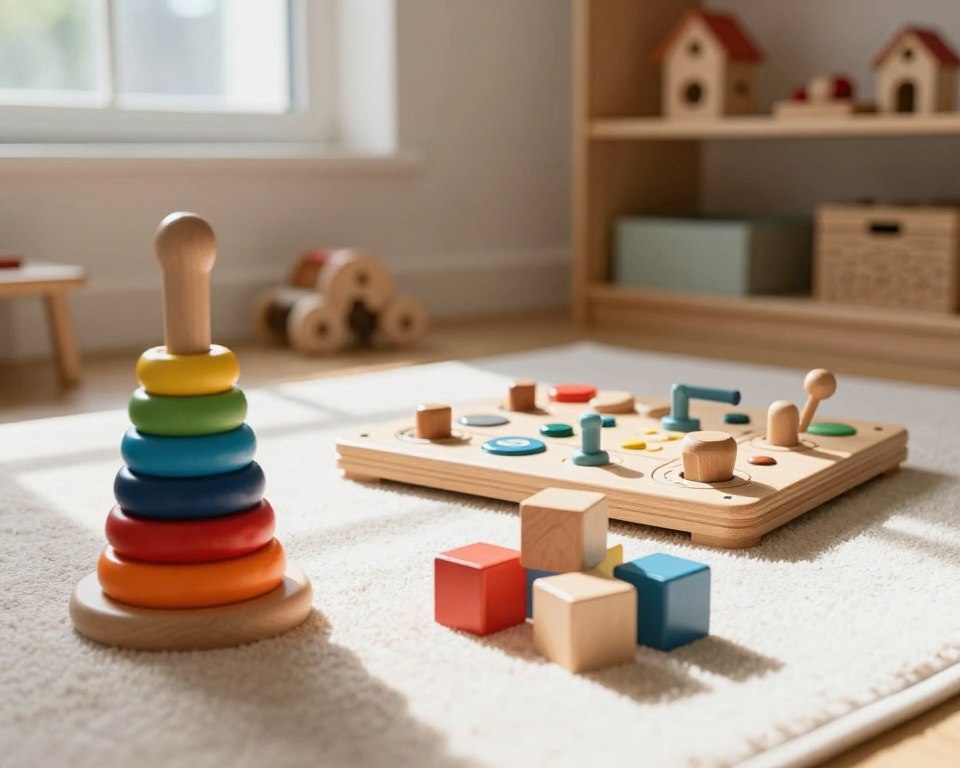
Remember, the heart of the approach isn’t the substance itself. It’s about the purposeful design that invites deep engagement.
Advantages of Wooden Toys
Wooden items offer unique sensory benefits. Their natural weight gives better feedback for developing coordination. The texture engages touch in a way plastic often cannot.
They are also incredibly durable. A quality wooden piece can withstand years of play. It can become a cherished heirloom, passed between siblings or even generations.
The main consideration is cost. These materials are typically a bigger investment upfront.
Alternatives to Wood: Safety and Durability
Great options exist beyond wood. Look for high-quality silicone, natural rubber, or sustainably sourced bamboo. Safe metals are also excellent materials.
The key question is simple. Does the item promote focused engagement? Does it isolate a skill for learning?
Safety is paramount for all materials. Choose items with non-toxic finishes and sturdy construction. Avoid small detachable parts for little ones.
Here’s the reassuring part. A thoughtfully chosen plastic item that meets these principles supports learning beautifully. It’s a better choice than an expensive wooden one bought just for looks.
Navigating Budget and Quality in Toy Selection
Budget-friendly and high-quality aren’t mutually exclusive when you know what to look for in your child’s playthings. Many parents feel pressure to buy expensive items, but wonderful learning experiences don’t require a huge investment.
Finding Value Without Compromising Learning
Remember, the heart of the approach is about characteristics, not cost. Look for pieces that are purposeful, engaging, and skill-focused. This knowledge empowers you to spot great value at any price point.
Start with a small core collection of versatile, open-ended items. Prioritize investing in a few high-quality wooden pieces that will last for years. You can then supplement with budget-friendly options.
Get creative! Secondhand shops, toy swaps, and local libraries are smart ways to access quality materials. You can also make your own inspired items using household objects like baskets and fabric scraps.
Look for sets that grow with your child, like progressive puzzles. These offer better long-term value than single-use toys. Most importantly, your engaged presence and thoughtful choices matter infinitely more than any price tag. Real learning happens through loving interaction.
Incorporating Practical Life Activities in Montessori Play
Beyond playthings, there’s a world of purposeful work that captivates young children and builds essential life skills. These practical life activities are the category that most directly prepares your child for independence.
They aren’t “toys” in the traditional sense. Instead, they are meaningful tasks that allow little ones to contribute to family life and care for themselves.
Caring for a baby doll teaches nurturing, sequencing, and fine motor skills. Your toddler practices buttoning, snapping, and zipping while engaging in pretend care.
Offer child-sized tools for real activities. Small pitchers for pouring, butter knives for spreading, and little brooms for sweeping make daily chores accessible.
Dressing frames or boards isolate skills like buttoning and lacing. They provide focused practice that prepares your child for getting dressed independently.
These activities build concentration, coordination, order, and independence. These are the four key areas of development in this philosophy.
Toddlers genuinely want to participate in real work. They experience deep satisfaction from meaningful contribution rather than just pretend play.
Inviting your little one into daily routines provides the richest learning experiences. Folding washcloths, sorting socks, or setting the table are all valuable practical life activities.
Montessori Toys for Toddlers: Engaging Designs That Inspire Learning
The toddler years are a whirlwind of discovery. Every day brings new words, wild ideas, and a fierce drive to do things “all by myself.”
This stage calls for materials that match their explosive growth. The right montessori toys support this magical time of becoming.
Real-World Play and Social Interaction
Realistic animal figurines are powerful tools. They build vocabulary as you name each one. Later, your child can match them to pictures or find them on request.
Simple dollhouses with family figures encourage social-emotional learning. Children act out familiar scenes, processing their world through play.
Vehicles, tools, and other replicas allow for imitative play. These toys help toddlers make sense of their environment in a tangible way.
Stimulating Creativity and Imagination
Creativity flourishes with open-ended materials. Blocks, fabric scraps, and natural items like stones become anything your child imagines.
These versatile toys don’t dictate an outcome. Your little one’s own ideas transform them into endless possibilities.
Balance realistic items with these simple treasures. This combination grounds children in understanding while inviting imaginative exploration. Give them the space, and their creativity will naturally soar.
Tips for Transitioning Between Age Groups and Complexity
Navigating your child’s growth is less about dates on a calendar and more about watching for subtle shifts. Your observation plays a big role in knowing which toys your child is ready for.
When to Introduce New Challenges
You’ll know a toy is mastered when your child completes it quickly or loses interest. That’s a beautiful signal they’re ready for more.
The “just right” challenge stretches abilities without frustration. Start simple, then gradually add pieces for progressive complexity.
Watch for signs like sustained focus or problem-solving attempts. These cues show readiness for the next stage.
Keep some familiar toys alongside new ones. This mix provides comfort during periods of growth.
Remember, returning to easier play during stressful times is normal. Honor that need.
Trusting your eyes and your child’s cues is the best way to support learning. It honors their unique path at every age.
Real-World Reviews and Parent Experiences
Let’s step away from theory for a moment and listen to the real stories from homes just like yours.
One mom shared, “We picked up a package of textured balls for our daughter right around the 8-month mark and they’ve been getting plenty of uses since.” This simple set became a sensory treasure.
Expert Insights and Tips
Experts note that open-ended toys like blocks or fabric scraps hold lasting appeal. Children find new ways to use them at different stages.
Many parents learn through discovery. A common lesson? Buying too many things at once can overwhelm little ones. Instead, curate small, rotating sets.
“We’ve found that about 6-8 cards in a group make for a great shelf activity,” one parent advised. This respects a child’s need for order and focus.
Brands like Wiwiurka, mentioned for their Pikler sets, are praised for quality and safety. Observing your kids teaches you more than any guideline. Their engagement shows what truly supports their discovery.
Remember, every family’s journey is unique. Your observations will guide you to the right montessori toys for your child.
Conclusion
As you reach the end of this guide, remember that the most valuable insight comes from watching your own child. The core principles we’ve explored are your compass.
Choosing these special materials isn’t about finding perfect, expensive items. It’s about intentionality and understanding developmental needs. Whether you select a simple wooden puzzle or other natural materials, what matters is the thoughtful purpose.
Your most powerful tool is your watchful eye. Notice how your little one plays. This reveals exactly which items will support their current focus and learning journey.
These principles apply through every stage of childhood. While many classic items are wooden, the reasons for this preference extend beyond aesthetics to sensory benefits. The philosophy of respecting capabilities remains constant.
Every thoughtful choice you make contributes to your child‘s joyful discovery. Trust yourself—you’re building a foundation for independence and lifelong learning.