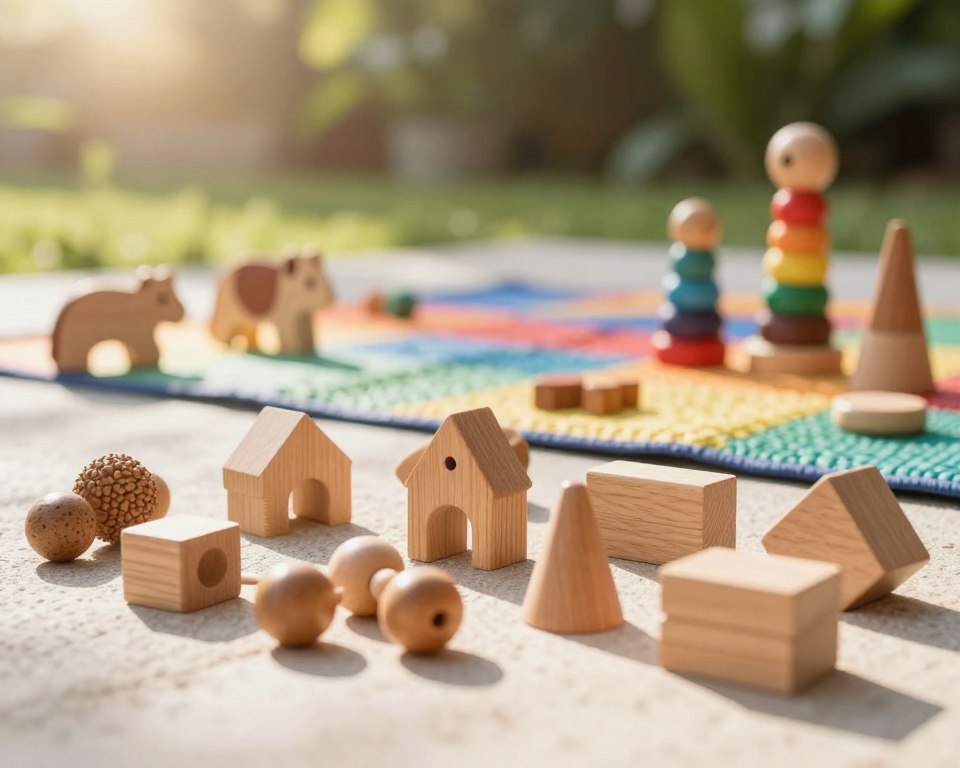
Have you ever watched your child, completely absorbed, tracing the smooth grain of a wooden block or feeling the satisfying weight of a natural toy in their hands? There’s a quiet magic in those moments.
As Fred Rogers wisely said, “Play is often talked about as if it were a relief from serious learning. But for children, play is serious learning.” This is the heart of open-ended exploration.
It’s a magical gateway to childhood development. Here, kids explore the world through all their senses without rigid rules or a single right answer.
Wood becomes a treasured material for this journey. It offers unique textures, a natural warmth, and endless possibilities that plastic simply can’t match.
This philosophy empowers young ones to lead their own learning. They build confidence and creativity as they stack, sort, and imagine with these simple materials.
This guide will walk you through practical, accessible activities. They honor your child’s developmental needs and your values around sustainable, meaningful fun.
Best of all, these experiences aren’t complicated. They’re about returning to simple, intentional moments that nurture the whole child.
Key Takeaways
- Sensory activities engage touch, sight, sound, and more, building crucial brain connections from birth.
- Natural materials like wood provide unique textures and warmth that enhance exploration.
- Open-ended play has no fixed outcome, boosting creativity, problem-solving, and confidence.
- These ideas support language development, motor skills, and emotional growth in children.
- You don’t need expensive toys; simple wooden items offer a world of learning and fun.
- Intentional play with natural elements aligns with sustainable values and meaningful childhood moments.
- Activities can be easily adapted for different ages and stages of development.
Introduction to Natural Sensory Play with Wood
There’s a profound difference between a toy that tells a child what to do and a material that asks what they can create. Natural sensory play with wood is about offering authentic materials that respond to a child’s touch and imagination.
Embracing a Creative and Open-Ended Approach
This approach has no single “correct” way. It frees children to explore, experiment, and build according to their own curiosity. They lead the learning, which builds tremendous confidence.
Why Wood Inspires Imaginative Play
Wood engages multiple senses at once. Children see the beautiful grain, feel satisfying textures, and hear the gentle click of pieces fitting together.
Its weight and warmth feel more real than plastic. These organic variations invite kids to assign their own meaning. A block becomes a car, a bowl becomes a boat.
This process naturally supports problem-solving and creative thinking. Children figure out how to balance, stack, and combine elements in unique ways.
Choosing these materials reflects a conscious value. You’re selecting sustainable, heritage-quality items that nurture development and protect our world.
The Importance of Open Ended Sensory Play Ideas in Child Development
When your little one picks up a wooden block, they’re doing much more than just having fun—they’re laying the groundwork for lifelong learning. This foundational work happens through rich, hands-on experiences that engage their growing minds and bodies.
Enhancing Motor and Cognitive Skills
Motor skills blossom as children grasp, stack, and sort wooden pieces. These actions build the fine muscle control needed for writing and dressing.
Little fingers exploring textures and gripping shapes strengthen essential coordination. This tactile work is crucial for your baby’s physical development.
Simultaneously, cognitive growth thrives. Kids solve problems when they balance blocks or categorize by size. They learn to think creatively and persevere.
These activities also boost language. Your child learns words like “smooth,” “underneath,” and “balance.” Early sensory experiences shape the brain’s architecture, creating lasting neural pathways for success.
Benefits of Wood in Sensory Play Environments
Consider the gentle weight of a wooden ring in your baby’s palm—a simple object that becomes a world of discovery. Wood offers unique advantages that support your child’s growth in meaningful ways.
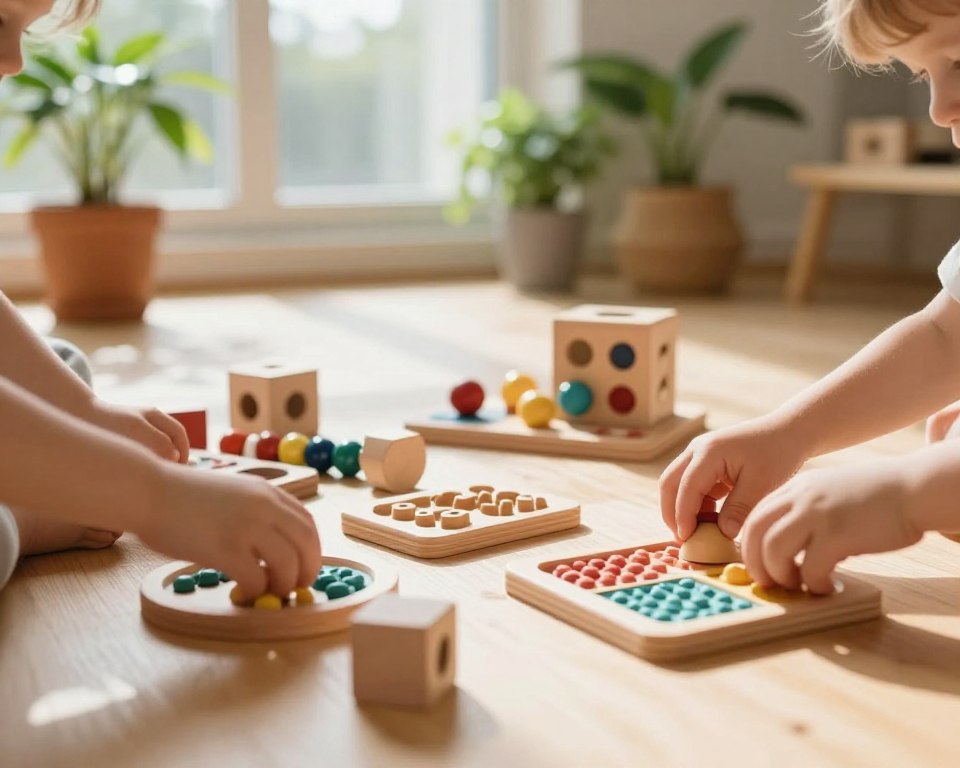
Supporting Tactile Exploration and Texture
Wood provides an unmatched range of natural surfaces for little hands to feel. Your baby encounters everything from silk-smooth finishes to gentle, unfinished grains.
This exploration of different textures builds crucial tactile discrimination. It’s the foundation for skills like identifying objects by touch alone.
Since young children learn through their mouths, wooden items finished with food-safe oils offer peace of mind. They’re naturally safe for this important stage of exploration.
Building Fine Motor and Coordination Skills
Manipulating wooden objects strengthens those little hands. Grasping a rounded ball or pinching a small disc builds essential dexterity.
Your child progresses from whole-hand grasps to precise pincer grips. This development is key for future skills like writing and self-care.
The natural heft of wood provides valuable feedback about body position and movement. This sensory input helps develop coordination and body awareness from an early age.
Exploring Open Ended Sensory Play Ideas
You might be surprised how ordinary items from your kitchen can transform into magical learning tools when paired with simple wooden pieces. You don’t need expensive specialty items to create rich sensory experiences.
The most meaningful play often combines basic wooden materials with everyday household objects you already own. A “treasure basket” filled with these items invites endless exploration.
Think of a wooden spoon beside a metal cup, or a smooth ring next to a fabric scrap. These combinations help children connect their play to real-world objects.
They build practical knowledge while keeping activities grounded. Try pairing wooden blocks with soft cotton balls for texture contrast.
Use a wooden bowl with dried beans for pouring practice. Offer wooden pegs and fabric pieces for threading. These simple ideas multiply the learning.
Children discover how wood interacts with paper, fabric, and metal. This builds an early understanding of material science.
This approach aligns with the Reggio Emilia philosophy. It offers “provocations” that invite exploration without a fixed outcome.
Rotating your materials keeps these activities fresh and engaging. One day, explore wooden pieces with water. Another day, try them with nature finds.
Watch what captures your child’s attention. Follow that interest by offering related everyday materials. This creates a responsive play environment that honors their unique path.
Creative Ways to Use Wood for Sensory Experiences
The beauty of wood shines brightest when it meets other simple, sensory-rich elements like water and ice. These combinations create magical moments of discovery with very little preparation.
Focus on low-effort setups that respect your child’s growing attention span.
DIY Wood-Based Sensory Bins and Trays
A sensory bin is a wonderful, contained world for exploration. Start with a shallow tray or plastic storage bin.
Fill it with a base like oats or rice. Then, bury wooden rings, blocks, or balls inside. Your child will love digging for these hidden treasures.
Integrating Wood with Water and Natural Elements
Adding water transforms the activity. Watch wooden boats float and smooth pieces change texture when wet.
Introduce ice cubes for a thrilling temperature experiment. Wooden spoons can scoop and clink the ice around.
Always supervise water play closely. Place a large towel underneath to make cleanup a breeze.
Designing a Multi-Sensory Play Space with Wood
Imagine a special corner in your home where your child’s curiosity is met with the simple invitation of wood. This dedicated area turns rich exploration into an everyday event, not a complicated setup.
A well-designed space doesn’t need a whole room. A small nook with thoughtful design becomes a cherished destination. Focus on a few key elements.
Use low shelving so your child can independently access their favorite wooden toys. A defined mat creates a visual boundary for focus. Good natural light and minimal clutter complete a calming environment.
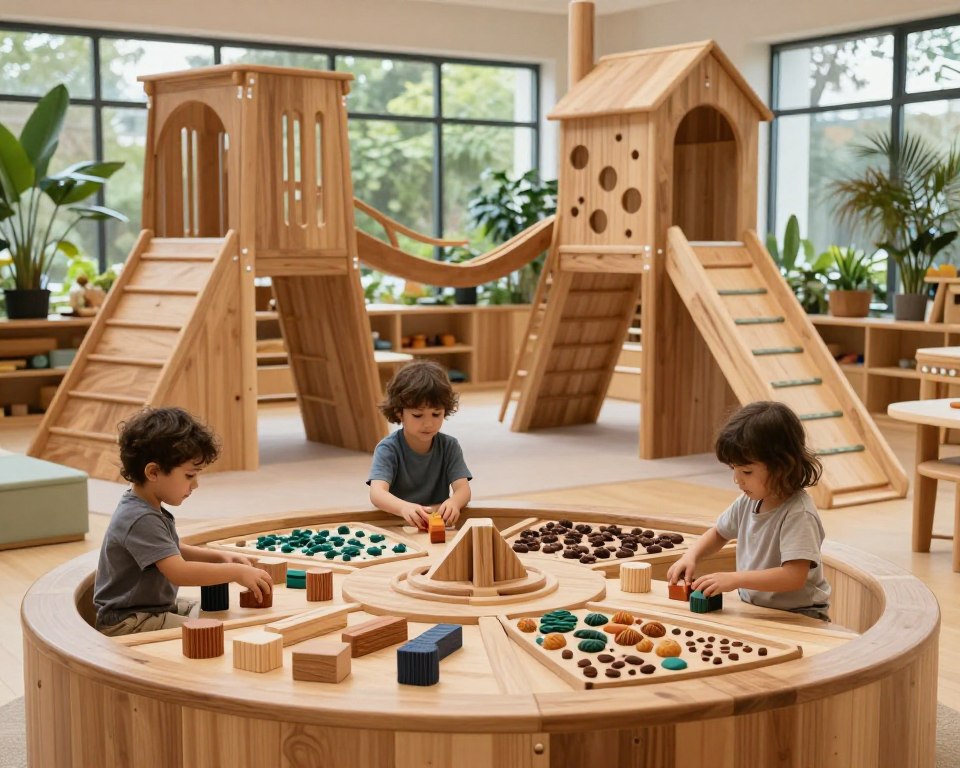
Organize wooden objects in natural baskets or display them beautifully on open shelves. Rotate these collections every few weeks to keep the experience fresh and engaging.
You can layer different sensory inputs within one area. Include items with varied textures and wooden instruments for sound. This approach maximizes the sensory benefits of wooden toys.
Aim for a calm, intentional feel. Fewer high-quality pieces invite deeper engagement than an overflowing bin. Watch how your child uses the area and adapt it as they grow.
This dedicated space evolves with them. It transforms from a baby’s tactile exploration zone into a preschooler’s complex construction site.
Enhancing Imagination with Wood and Storytelling
The true power of wooden toys lies in their silence; they don’t tell your child what to be, but ask what they could become. A simple disc might be a cookie one moment and a steering wheel the next. This flexibility fuels endless stories.
Children assign their own meaning to these natural pieces. Wooden figures become characters in grand adventures. Stacked blocks transform into castles or spaceships. This process builds storytelling skills as kids describe their creations.
Role-Play and Open-Ended Construction
These materials are perfect for pretend scenarios. A wooden kitchen set inspires hours of house play. Tools and vehicles adapt to any imagined situation. This type of activity supports both creative and logical thinking.
Kids must solve problems to make structures stable. They also express their vision through building choices. This construction play develops spatial reasoning and perseverance.
You can encourage this imagination by asking open-ended questions. Say, “Tell me about your building,” instead of “What is that?” Add small props to extend the narrative. Honor every creation as meaningful expression.
Practical Tips for Setting Up a Wood Sensory Play Area
The most rewarding sensory experiences often begin with simple preparations that prioritize your child’s security and your peace of mind. Good systems let you embrace the beautiful mess of meaningful learning.
Safety Guidelines and Supervision Strategies
Safety is your foundation. Always provide direct supervision, especially with young children who explore with their mouths. Choose wooden pieces too large to swallow and check regularly for splinters.
Position yourself nearby during any activity. You can narrate their discoveries or offer gentle suggestions. Know when to step back for independent exploration, but be ready to redirect if needed.
Easy Cleanup and Organization Ideas
Manage the mess before it begins. Contain the activity in a shallow tray placed directly on the floor. Lay a large towel or mat underneath to catch spills.
For cleanup, involve your child. Sorting wooden pieces teaches responsibility. Use natural baskets for organization and establish simple routines. Adjust the scale of your setup based on your energy each day.
These tips make it easier to say “yes” to discovery. The temporary mess is a small price for the developmental benefits gained.
Integrating Nature and Wood for a Rich Sensory Experience
The most profound learning happens when we bridge the gap between the wooden objects in our home and the vibrant, messy, wonderful world outside.
This connection honors wood’s natural origins. It turns your backyard or a park visit into a rich learning laboratory.
Follow the Montessori approach by simply taking a walk. Collect treasures like pinecones, smooth stones, and interesting leaves.
Bring these outdoor finds inside to explore alongside wooden blocks and bowls. Your baby will love comparing the rough bark to a smooth wooden ring.
Pairing Wood with Outdoor Elements and Textures
Water and ice create magical moments. A wooden spoon in a puddle or a boat in a tub teaches cause and effect.
Freeze flower petals in ice cubes. Give your child a wooden mallet to carefully chip them free. Watch their eyes light up at the cold textures.
For little ones who explore with their mouths, use food for safe discovery. A wooden bowl with soft banana slices offers a wonderful taste and touch experience.
Create a pretend lemonade stand. Use wooden cups and real lemon slices. Describe the sour taste and fresh smell as you “play” together.
These integrated experiences build crucial brain connections. Your baby learns that the same wooden bowl works for snacks and nature treasures.
Use rich words like “pour,” “melt,” “cool,” and “bumpy.” You give them language for their discoveries. This deepens their bond with the natural world and the simple beauty of wood.
Conclusion
Your journey into meaningful play doesn’t require complexity or expensive materials; you now possess a treasure trove of accessible activities and creative ideas to support your child’s development.
Wood provides a profound connection for children to the natural world, offering endless possibilities for sensory play that grow alongside them from infancy through early childhood.
These experiences strengthen essential motor skills, foster cognitive growth, build language capabilities, and nurture imagination through open-ended exploration.
Begin with one simple wooden setup, observing how your children engage before expanding based on their demonstrated interests and your family’s rhythm.
Remember, your attentive presence matters most—permit your child to lead their own sensory discoveries with wood and natural materials.
By selecting wooden items, you honor developmental progress, protect our planet, and create cherished childhood memories that will endure.
Embrace the beautiful mess and repeated explorations; each play experience constructs a foundation for lifelong learning, creativity, and confidence.