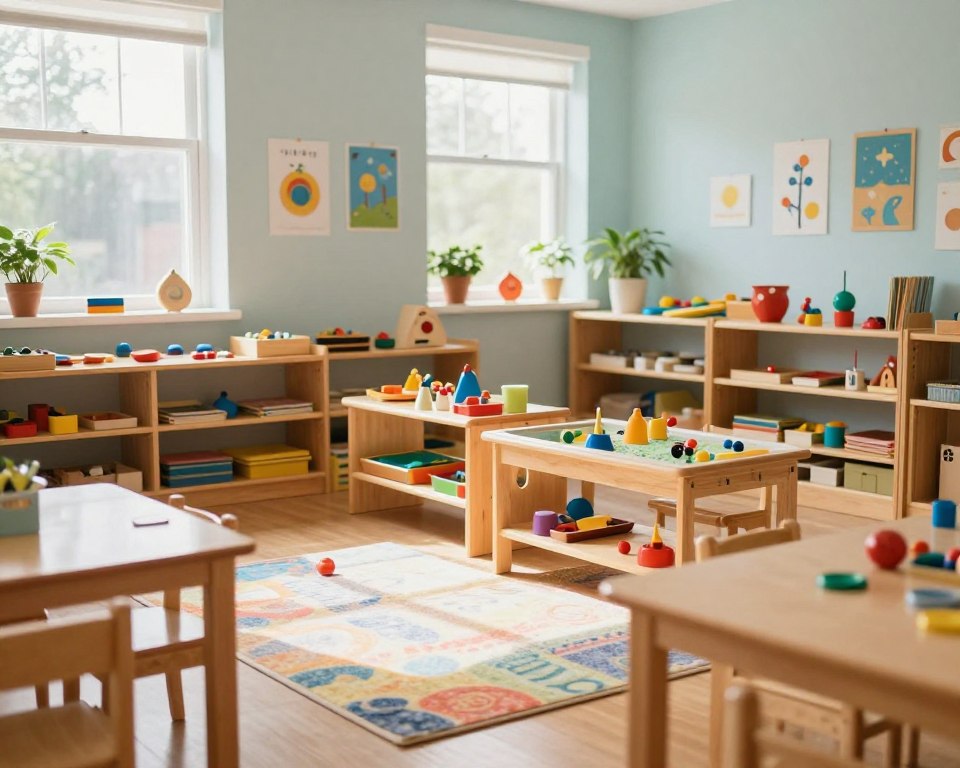
Does your little one’s toy area feel more like a minefield of clutter than a peaceful haven for play?
You’re not alone. Many families find that their kids’ spaces become chaotic. This often leaves children distracted and looking for you instead of engaging with their own treasures.
What if you could design a simple, beautiful area that your child loves? A place where they play independently and build real skills through their activities.
This approach to setting up a room is transformative. It isn’t about buying expensive items or creating a perfect showroom. It’s about intentionally crafting a space that respects your kid’s natural curiosity and growth.
Throughout this guide, you’ll get practical steps to make any room in your home work. You’ll learn how to create a calm, engaging environment where your little one can truly thrive.
The best part? These ideas work for any family size, budget, or living situation. Small, thoughtful changes can make a remarkable difference in how your child interacts with their world.
You don’t need to be an expert. You just need the desire to give your child the gift of a thoughtfully prepared space that supports their journey.
Key Takeaways
- A well-organized space helps your child focus and build independence.
- This method turns playtime into meaningful learning for key developmental skills.
- Transformation is about intention, not perfection or a big budget.
- Simple changes can create a more peaceful and engaging environment at home.
- The principles are flexible and work for various family situations.
- You are creating a special area your child will want to spend time in.
- The goal is to foster your child’s confidence and love for learning.
Understanding the Montessori Philosophy
What if the secret to a calmer home wasn’t more rules, but a different way of setting up your space? This philosophy offers that very perspective.
It begins with a beautiful trust in your child’s natural drive to learn. They are seen as capable, curious individuals ready to explore their world.
Key Montessori Principles
At its core, the Montessori way believes in “following the child.” This means observing what truly captivates your little one right now. You provide freedom to choose, but within thoughtful boundaries that keep them safe.
Everything in the environment is designed for small hands. Low shelves and simple materials are within easy reach. This empowers your child to select an activity, work deeply, and then return it to its place.
Benefits for Child Development
The results are remarkable. You’ll notice your child’s concentration growing stronger. Their fine motor skills improve as they handle objects with care.
Most importantly, their self-confidence blossoms. They learn to solve problems and establish a sense of order. These are life skills that build a foundation for the future.
For your family, this translates to more peaceful moments. You gain a partner in caring for your home, and your child feels proud of what they can do.
Why Montessori Playroom Organization Matters
That scattered, overstuffed toy corner isn’t just messy—it’s actively working against your child’s ability to focus and learn. When things are everywhere, it’s no wonder they seem bored or constantly seek your attention.
This approach isn’t about keeping a perfect-looking room for your sake. It’s about crafting an environment where your child can engage deeply and build real independence.
Building Independence at a Young Age
A well-ordered space puts your kid in the driver’s seat. With clear choices on low shelves, they learn to make decisions. This builds capability and confidence that lasts a lifetime.
Creating a Calming Environment
There’s a direct link between physical order and mental calm. Young children experience a “sensitive period for order,” where routine and predictability are comforting.
When everything has a designated spot, it provides a sense of security. Your child feels more settled and able to concentrate. This reduces frustration for everyone.
This method respects your child’s time and attention. It presents a few meaningful options instead of an overwhelming pile.
The family-wide benefits are real:
- Fewer power struggles over cleanup
- More peaceful play periods
- The joy of watching your kid take pride in their own playroom
The best part? Creating this kind of calm, engaging playroom is possible for any home. Let’s explore how.
Choosing the Perfect Space for Your Montessori Playroom
You don’t need a perfect, magazine-ready room to begin. Your special area can be a cozy corner of the living room, a nook in a bedroom, or even a converted closet. What matters most is your intention to create a welcoming spot your child will love.
Importance of Natural Light
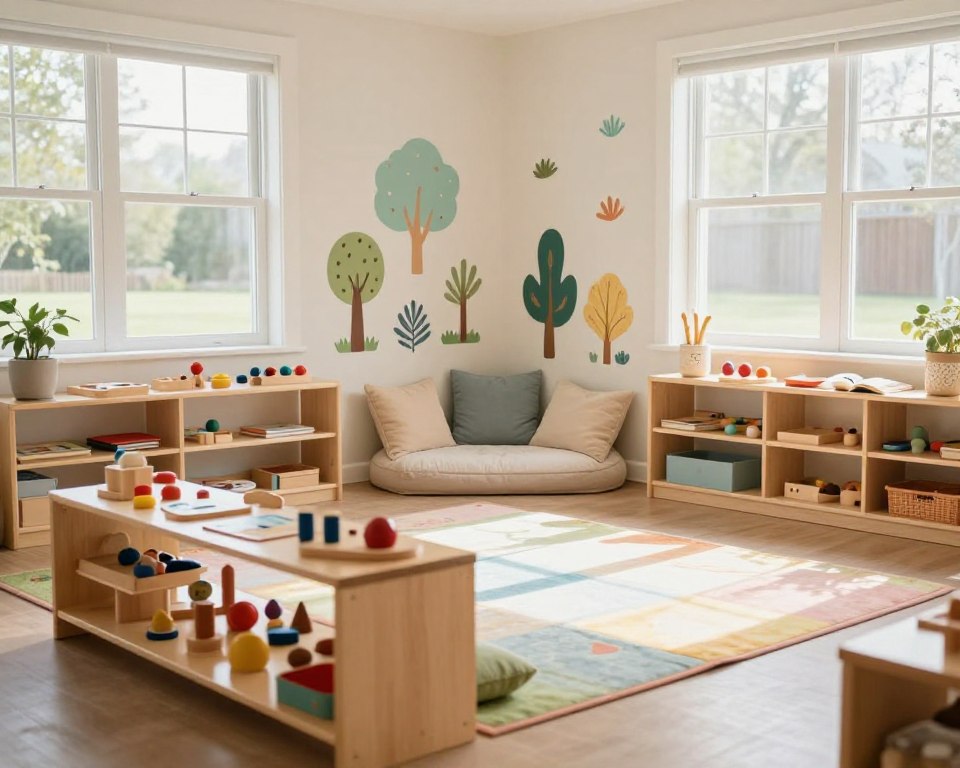
Bright, sun-filled spaces naturally draw kids in. Natural light boosts mood and creates a connection to the outside world. If you have a choice, pick the room with the biggest windows.
What if your home lacks abundant sunlight? Simple tricks help. Light-colored walls and mirrors can bounce light around. You can even paint a cheerful window scene on a wall to spark imagination.
Space Considerations
Think about flow and access. Can your little one enter the space independently? Get down to their eye level to see how it feels. Is it peaceful, or is it a high-traffic zone?
In an open-plan home, low shelves can define the playroom without walls. The goal is a calm, accessible area where your family can focus and play. The perfect room is simply the one you commit to making engaging.
Selecting Child-Sized Furniture and Materials
Imagine your child confidently walking over to a small table, pulling out a chair, and settling in for some focused drawing. This simple scene is the magic of a thoughtfully prepared space.
Furniture and Material Essentials
Furniture built for little bodies isn’t just cute. It’s essential for letting your kids access their treasures without your help. This builds real confidence and capability.
A child-height table with chairs is a cornerstone. It gives them a dedicated spot for puzzles, crafts, and meals. This makes them feel capable and in charge of their own work.
Low, open shelves are just as critical. They display activities at your child’s eye level. IKEA’s Kallax or BESTA units are affordable and durable favorites.
Why do open shelves work better than a toy box? When your child can see each item, they engage more thoughtfully. They’re also more likely to return things to their proper spot.
You don’t need to buy everything new. Check secondhand stores or online marketplaces. You can even shorten the legs on an existing table.
For a cozy reading nook, add a small chair they can climb into. Place a lamp they can switch on themselves. Keep baskets with blankets nearby so they can control their comfort.
The goal is a space your child can navigate from start to finish. They choose materials, use them, and put them away. Even one or two key pieces can transform how independently they use their room.
Designing an Engaging Activity Layout
A truly engaging environment offers more than just toys—it provides distinct areas for discovery. This thoughtful layout helps your child know where to go for different kinds of play. It turns a simple room into a landscape for growth.
Establishing Dedicated Activity Zones
Start by creating clear zones. An art area centered around a small table invites creativity. Supplies are within reach, signaling this is the place for drawing and crafting.
A cozy reading corner offers soft seating and good light. Books face forward so your kid can choose their own adventure. This dedicated space makes reading a special, independent activity.
Don’t forget a zone for physical movement. Young children have so much energy! A simple climbing structure or just open floor space lets them jump and balance. This meets their need for gross motor development.
Balancing Open Space with Structured Areas
While zones are helpful, empty floor area is just as important. This open space allows for free movement and spontaneous play. It gives your child room to spread out and explore.
The goal is variety. Your little one needs multiple ways to engage their body and mind throughout the day. Balance structured activity spots with generous room to move. This supports well-rounded skills and keeps their interest alive.
Implementing Montessori Playroom Organization Strategies
Think of this not as a daunting project, but as a series of small, intentional steps. You are the guide, and your home is the canvas. Let’s create a space that truly works for your family.
Step-by-Step Guidance
Start by looking at what you already have. Which things does your child actually use? Ruthlessly declutter the rest. Remember, less is more for deeper engagement.
Next, observe your little one. What captures their interest right now? Use these clues to select a few meaningful activities. Place each on a low shelf, ready for independent choice.
This intentional arrangement is key. It guides your child toward focused play. It also makes cleanup part of the routine.
Adapting to Your Child’s Interests
Your child’s passions will change. That’s a good thing! Be ready to swap things out. This rotation keeps the space fresh and exciting.
Tailor activities to their age and growing skills. For younger kids, think simple puzzles. For older ones, offer more complex building sets. Involving them in caring for their area teaches priceless ways to be independent.
Creative Storage Solutions for Toys and Materials
Let’s talk about the hidden hero of a peaceful space: smart storage. What do you do with all the treasures not currently in use? The principle is simple. Keep unused items completely out of sight and mind.
This prevents visual clutter and makes rotating toys sustainable. Your child stays focused on the few activities presented.
Organizing with Style and Function
Discrete cupboards that blend with your wall color are perfect. They make the storage area less interesting to little eyes. Inside, fit lots of shelves close together.
This lets you stack puzzles and materials neatly. Group similar things together by type or age. Put baby items in crates and art supplies in one place.
Smart Use of Shelves and Boxes
Labels are your best friend. They help everyone know what’s inside each box. Use small bags for individual sets of materials.
For tricky items like Lego, have one box of mixed pieces for creative building. Keep another set for following instructions. Rotate them when interest fades.
Get creative if you lack space. Use boxes under beds or behind couches. Repurpose existing closets in your home.
Good storage isn’t about hoarding. It’s about keeping only what serves your child’s development. Maintain these things in good condition for easy rotation.
Try these quick tips to keep your system working:
- Do a quick audit when you swap toys.
- Fix broken items immediately.
- Pass on toys that no longer fit your child’s skills.
This way, you support a life of engaged, peaceful play. Everything has its place, and your area remains a calm haven for discovery.
Promoting Toy Rotation for Continuous Engagement
A simple shift in how you manage your child’s belongings can renew their interest and focus. This powerful strategy keeps shelves enticing and perfectly aligned with their current developmental needs.
Maintaining a Dynamic Play Environment
Forget the idea that kids need constant access to every single toy. Limited, curated choices actually lead to deeper engagement and more creative play. Aim to display about 8-10 activities at a time. This provides wonderful variety without overwhelming your little one.
How often should you rotate toys? Watch your child, not the calendar. If an item has been ignored for a week, it’s a good candidate to swap out. Keep favorites that are still loved, and introduce stored materials that match their current interest.
This thoughtful rotation can strategically support emerging skills. Noticing a focus on fine motor control? Rotate in threading work or small puzzles. The magic is that old toys feel brand new again, generating fresh excitement.
Make it manageable. Set a weekly reminder to assess the area. Just swap 2-3 activities. Involving older children in the choice teaches valuable life lessons. Regular toy rotation maintains deep engagement and dramatically cuts down on clutter and missing pieces.
Enhancing the Playroom with Nature and Art
Have you considered how the textures, colors, and living things in your home can become your child’s greatest teachers? This final layer transforms a functional area into a sensory-rich haven. It supports calm focus and a deep sense of wonder.
Incorporating Natural Elements and Creative Touches
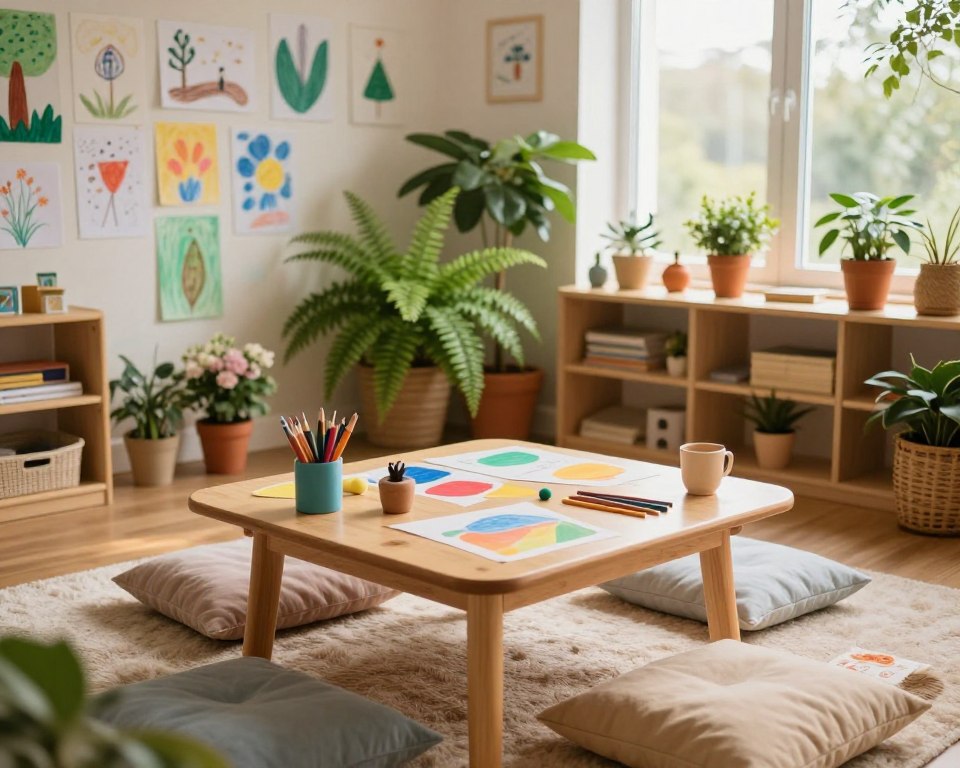
Bring the outside in. A small, hardy plant placed where your child can help water it teaches care. Create a nature table for found treasures like smooth stones or pinecones.
Choose materials with intention. Wood, cotton, and metal offer beautiful textures and weights. They are more engaging than plastic. Neutral wall colors create a peaceful backdrop. This lets the vibrant activities pop.
Hang art at your little one’s eye level. For babies, use simple black-and-white images. Toddlers love nature scenes and family photos. Celebrate your child’s own creations by framing them.
This isn’t about a perfect look. It’s about enriching your child’s world with beautiful, real things. You create a calm space that feels both magical and grounded.
Establishing Order, Routine, and Independence
That deep need for predictability you see in your young child is actually a powerful developmental phase. From toddlerhood to around age five, kids experience a “sensitive period for order.” They crave routine and find comfort when things are in their proper place.
Teaching Organization Skills Early On
Honor this need by giving every item a designated home. A specific spot on a low shelf tells your child, “This is where this belongs.” Use clear language like, “Let’s put the blocks back so we can find them tomorrow.”
Model this action slowly, letting your little one participate. This builds the skills for tidying up. Establish simple daily routines, like cleanup before lunch or a special play session to start the day.
Pick a weekly time to rotate activities. Patience and consistency are key. Your child won’t get it perfect right away, but with gentle reminders, they’ll start taking pride in their space.
These organization habits teach broader life skills: decision-making, respecting belongings, and following through. The Montessori approach guides them toward true independence and confidence.
Fostering this sense of order creates a calming rhythm. It reduces power struggles and helps your child feel capable of managing their own environment.
Conclusion
The journey to a more peaceful home environment begins with a single, intentional choice. You don’t need a perfect playroom or every item on a list. Start with what you have and what you know about your child.
Remember, this approach is about thoughtful support, not rigid rules. Include their favorite toys. Observe what captures their interest and adapt your space from there. Even one or two changes can make a big difference in their focus and joy.
Trust yourself as you guide your child. Every family is unique, and your nurturing environment will reflect that. For more inspiration on setting up a Montessori childhood space, revisit this guide as your little one grows.
Celebrate the small steps. Watch with joy as your child flourishes in a home crafted just for them.