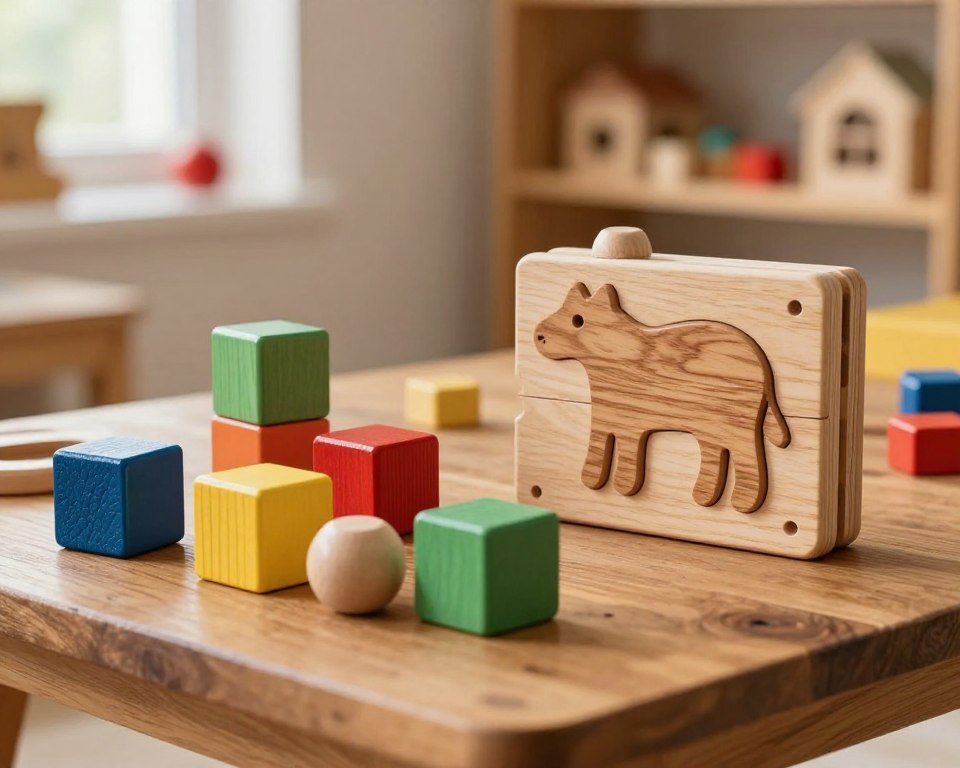
“The senses, being the explorers of the world, open the way to knowledge.” – Maria Montessori
Have you ever watched your child, utterly captivated, feeling the world with their hands? That drive to touch is their primary classroom.
These sensory-rich objects are more than just simple amusements. They are powerful developmental tools that engage multiple senses at once.
The natural variations in wood grain, a satiny finish, and distinct shapes create a richness that synthetic materials lack. This is backed by research—tactile exploration builds essential brain connections.
We’ll show you how these cherished items boost motor skills, ignite imagination, and fit with proven learning philosophies. You’ll also get practical advice for choosing safe, quality pieces that are a smart investment in your child’s growth.
Key Takeaways
- Sensory play is a critical foundation for early childhood learning and development.
- Natural materials offer unique tactile experiences that stimulate brain development.
- These objects help develop both fine and gross motor skills and hand-eye coordination.
- They encourage open-ended play, which fosters creativity and problem-solving.
- Opting for sustainable, well-made items is an investment in your child’s future and the environment.
- Their design often aligns with respected educational approaches like Montessori.
- Prioritizing safety and quality ensures a positive and valuable play experience.
Introduction: The Benefits of Wooden Toys for Child Development
What if playtime could be a direct link to nature, felt right in your child’s palms? This is the heart of natural play. It’s about kids connecting with items that come from the earth.
They feel authentic surfaces under their fingers, not slick plastic. This connection matters for learning.
Natural wood brings a special warmth and heft. Its varied surfaces give immediate feedback. A child learns cause and effect by simply handling it.
These pieces don’t tell a child how to play. Instead, they invite creativity. This is called open-ended play, and it’s magical for development.
A Natural Approach to Play
The tactile nature of wood supports brain growth. Grain patterns and smooth finishes engage the sense of touch deeply. Brands like HABA have championed this for over 85 years.
Their experience shows the lasting value of these materials.
Engaging the Senses Through Texture
Rich, sensory items made from sustainable maple or beech offer experiences plastic can’t match. They engage sight and sometimes sound along with touch.
This multi-sensory input creates richer learning and stronger memories.
For parents, this means seeing better focus, enhanced curiosity, and deeper engagement during play. It’s a practical win for development.
How Texture Based Wooden Toys Enhance Motor Skills
Motor skills are the quiet heroes behind your child’s ability to grasp, stack, and explore their world. These physical abilities form the foundation for so much of their early learning and daily life.
Developing Dexterity and Coordination
When your child handles a piece with a unique grain or a smooth, polished corner, they must adjust their grip. This natural feedback builds fine motor control. The solid weight of these items strengthens hand muscles more than lightweight plastic.
Activities like stacking blocks demand precise hand-eye coordination. Your child learns to align what they see with the movement of their hands. This practice lays the groundwork for future tasks like writing and using utensils.
Fostering Sensory Exploration
This developmental work happens through joyful play. Brands like HABA design items that encourage this sensory-motor loop. As your child manipulates different shapes, they aren’t just playing—they’re forging essential brain connections.
Montessori principles highlight how this fun approach makes learning stick. Whether it’s a baby’s first reach or a toddler’s careful construction, these cherished objects turn physical exploration into cognitive growth.
The Role of Natural Wood in Sustainable Toy Making
The story of a toy begins long before it reaches your child’s hands—it starts in the forest. For conscious parents, this origin story matters deeply. Your choice directly impacts the planet your child will inherit.
Eco-Friendly Materials Matter
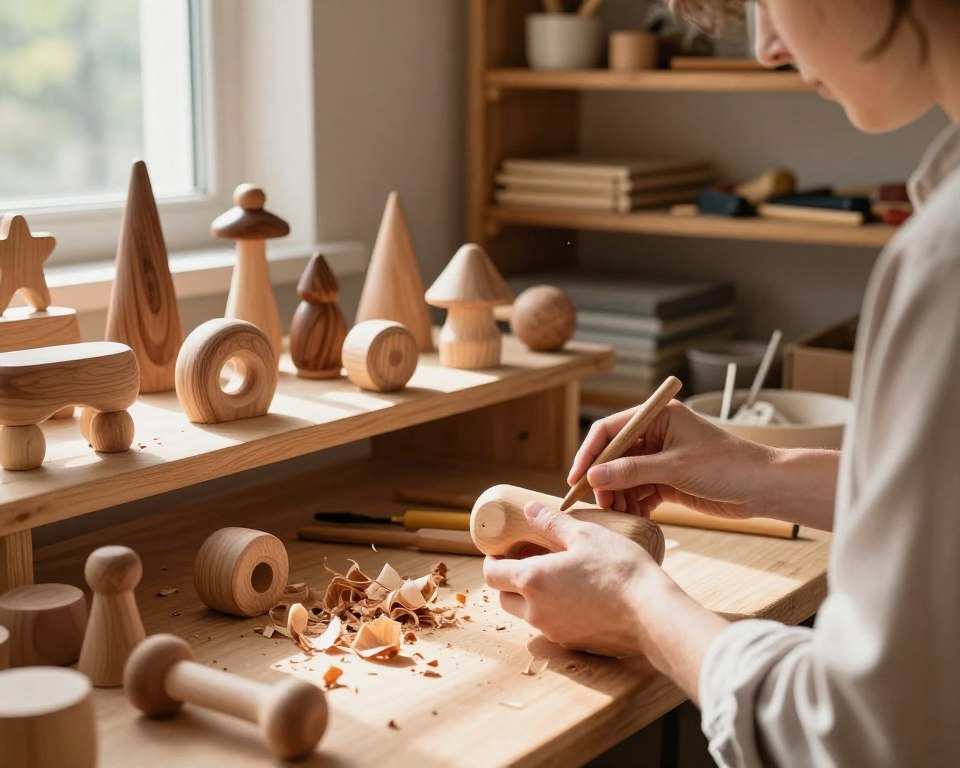
Look for the PEFC seal. This guarantee means the natural wood comes from responsibly managed forests, often within 90 miles of where it’s made. This drastically cuts transportation impact.
Using indigenous materials like maple and beech supports local ecosystems. It’s a world away from depleting distant rainforests. These products are also certified child-safe, free from lead paint and harmful chemicals.
You’re choosing a healthier play space. Natural wood doesn’t off-gas like some plastics can. This thoughtful selection teaches your child to respect nature through everyday play.
Durability for Generations
Well-crafted wooden items are built to last. They become cherished heirlooms, not landfill waste. This durability stands in stark contrast to plastic toys made to break.
Investing in quality means these treasures can be enjoyed for years. Many are even passed down through families for years to come. Award-winning factories use 100% recyclable packaging, completing a circle of care.
Your decision supports safety, heritage, and a lighter footprint. It’s a promise of quality play that honors both your child and the earth.
Choosing the Perfect Wooden Toy for Your Child
Ever stood in a toy aisle, wondering which wooden toys will truly captivate your child? It’s a common feeling. With shelves full of options, making the right choice matters for their joy and growth.
Your decision starts with safety. For little ones aged 0-3, strict standards govern size, materials, and construction. Seek out baby toys with smooth, polished edges and non-toxic finishes. Durable construction prevents splinters and breakage, keeping playtime secure.
Prioritizing Safety and Durability
Look for certifications that guarantee child-safe materials. These baby toys withstand years of love. They won’t crack or shed harmful pieces, making them a smart investment for your family.
Assessing Age Appropriateness
What engages a 6-month-old differs from an 18-month-old. For babies under 12 months, choose larger pieces that prevent choking. Simple shapes with bold colors capture their attention.
As your kid grows, match the toy’s complexity to their skills. It should be challenging but not frustrating. Observe what already delights them—do they enjoy stacking or feeling different surfaces?
Choosing well means finding a treasure that grows with your child. It’s an investment in their safe, happy development.
Montessori Principles in Wooden Toys
At the heart of Montessori philosophy is a simple, powerful idea: children are capable learners when given the right tools. This child-centered approach respects their natural development and encourages independence from the very start.
Research shows 85% of a child’s brain volume develops by age three. This makes your choices during these early years incredibly impactful. The right montessori toys can be a cornerstone for this rapid growth.
Promoting Independent Learning
True montessori toys are open-ended and allow for self-correction. They match real-world objects and skills, promoting exploration without direct instruction. Children discover solutions on their own, building lasting confidence.
Wooden Montessori items align perfectly with this philosophy. Their natural materials and simple designs focus on essential learning rather than flashy distractions. This helps kids enter deep “flow” states, engaged for extended periods.
These playthings connect to practical life activities, like sorting or matching. They aren’t about mere entertainment—they offer meaningful work children find deeply satisfying. This nurtures problem-solving and focus.
Child psychologists recommend these toys worldwide. While the philosophy is over a century old, modern neuroscience continues to validate its principles. Choosing wooden Montessori items is a smart investment in your child’s foundational years.
Incorporating Texture-Based Play into a Child’s Daily Routine
You know the benefits, but how do you weave that sensory-rich play into your busy days? It starts with a simple, inviting space.
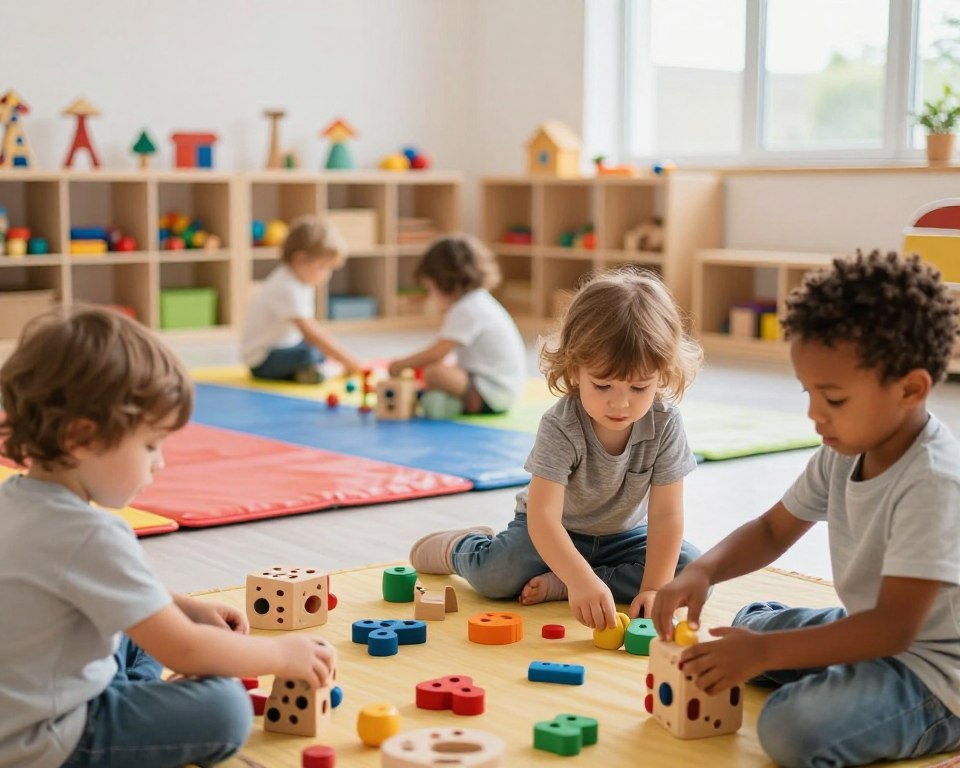
Dedicate a low shelf or basket where your child can see and reach everything. This promotes independence and sparks curiosity instantly.
Creating Engaging Play Spaces
Rotate the items on display every few weeks. Storing some away keeps the selection fresh and prevents overwhelm.
Set up distinct activity zones to guide different types of play:
- Building Zone: Stock it with solid wooden blocks and open-ended construction sets.
- Pretend Play Corner: Add a play kitchen and realistic props for imaginative scenarios.
Match the activity to your child’s energy. Use blocks for focused morning building, and quieter arranging sets for calm afternoons.
Step back and let your kids explore. Allowing them to solve problems alone builds tremendous confidence.
Here’s a clever tip: occasionally mix up the order. This invites your child to reorganize, teaching responsibility and spatial awareness.
Remember, you don’t need an elaborate setup. A clean floor and a few cherished pieces can provide hours of deep engagement.
These items fuel incredible pretend play worlds, powered solely by imagination. Consistency in offering these opportunities matters most for long-term skill development.
Parental Tips: Maximizing Learning Through Play
As a parent, you hold the key to unlocking your child’s world through the simple magic of play. You are their first and most important teacher, and play is the serious work of childhood.
Your role is to set the stage for discovery. The best play happens without a script, where your child directs the story. This is called open-ended play, and it’s where true learning blossoms.
Fostering Curiosity Through Interaction
Be a curious observer. Ask, “What are you building?” instead of giving instructions. Narrate what you see them doing. Show genuine interest in their creations.
This balance is key. Be available for guidance, but don’t hover. If they’re feeling different surfaces, introduce words like “smooth” or “bumpy” naturally.
Encouraging Open-Ended Play
Resist the urge to fill every quiet moment. Boredom sparks imagination. Give them space to transform simple items into entire worlds.
Great toys run on 100% imagination, not batteries or plastic electronics. They demand deeper engagement. Model curiosity yourself—show that exploration is lifelong fun.
Remember, there’s no single “right way” to play. What matters is that your child feels safe to explore and express themselves. The deep satisfaction they get from creating something independently is profoundly rewarding.
Integrating Wooden Toys into a Holistic Learning Environment
A holistic approach to play blends the wisdom of the past with insights from modern child development. It’s not about choosing between old and new, but creating a rich ecosystem for growth.
Cherished montessori toys are one part of this bigger picture. They work alongside books, art supplies, and outdoor adventure. Each element supports your child’s journey.
Blending Traditional and Modern Approaches
Different playthings serve unique purposes. Building sets develop spatial reasoning and engineering thinking. A play kitchen fosters imagination and life skills.
Simple baby toys introduce cause and effect. Quality always beats quantity. A few heirloom-quality items from brands like Grimm’s or Plan Toys offer more value than a mountain of cheap plastic.
These treasures naturally teach STEM fundamentals through hands-on exploration. They make wonderful gifts that contribute to development, not clutter.
When you shop, look for retailers who curate selections for developmental stages. Always prioritize items with non-toxic paint and safe materials.
Consider starting a toy library with other families. This provides variety sustainably. This thoughtful approach nurtures creativity, problem-solving, and focus for life.
Conclusion
In a world of flashy distractions, the timeless appeal of natural materials offers a quiet sanctuary for learning. Your journey from understanding sensory value to making intentional choices empowers your child’s growth in profound ways.
These cherished items are developmentally superior tools. They build motor skills, spark imagination, and align with proven educational methods. Your choice reflects values that support both your kids and the planet.
Heirloom-quality pieces last for years, even generations. They are a wise investment, crafted from sustainable wood with non-toxic paint. Rigorous safety standards and guarantees provide peace of mind.
Many retailers offer free shipping on orders and accept all major cards. Starting small is powerful—every step toward intentional play matters. Trust your instincts as you shop.
Continue to explore what types of knowledge can be through thoughtful play. This is your gift to their childhood: building skills, confidence, and memories that last a lifetime.