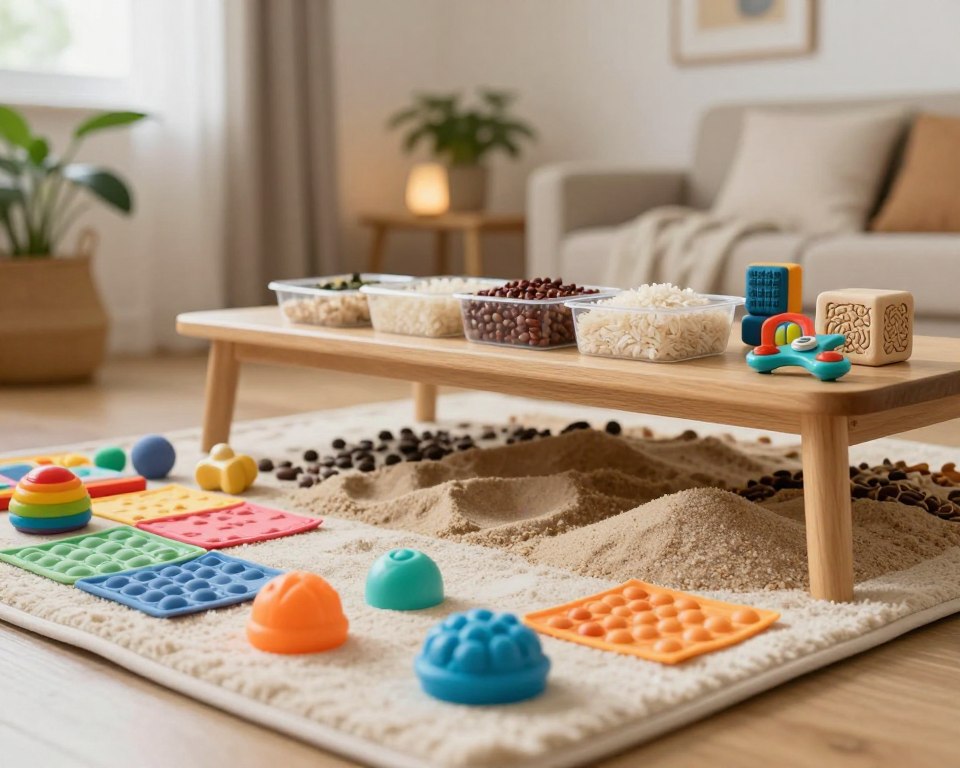
“Childhood is not a race to see how quickly a child can read, write and count. It is a small window of time to learn and develop at the pace which is right for each individual child.” – Magda Gerber
Picture your little one settling in for homework or cozy reading time. That need for calm focus is universal. Every kid deserves moments of peaceful concentration in their own space.
Sometimes, restless hands need an outlet. That’s where gentle, tactile tools come in. They offer a magical way to support your child’s natural urge to move and explore.
As a parent, you seek solutions that bring harmony, not hassle. You want items that engage curious fingers while respecting shared family areas.
We all fidget when deep in thought. These clever companions channel that energy in productive, peaceful ways. They turn natural movement into a tool for self-regulation.
These aren’t just passing fads. They are meaningful aids often recommended by experts to support kids with diverse needs.
In this guide, you’ll discover a treasure trove of calm options. Each is chosen for its ability to soothe, focus, and captivate.
Let this journey be about finding the perfect fit for your unique youngster. Create a home space where everyone can thrive. Remember, quiet doesn’t mean dull—these treasures deliver rich input and endless fun.
Key Takeaways
- Support focus, stress relief, and self-regulation through gentle tactile input.
- Designed to be discreet and low-noise, perfect for shared living spaces.
- Suitable for various settings including home, school, and work environments.
- Recommended by occupational therapists for children with diverse needs.
- Help create a peaceful home atmosphere where everyone can concentrate.
- Offer engaging and satisfying play without disruptive sounds.
- Empower your child to channel natural fidgeting in a positive way.
Discovering the Benefits of Quiet Sensory Toys for Home Play
Have you ever noticed your youngster’s hands constantly moving while they’re trying to concentrate? These clever tools are designed to engage senses like touch and sight. They help a young brain process information and stay balanced all day.
Understanding the Purpose of Sensory Toys
This isn’t just about keeping little hands occupied. It’s about giving your kid’s nervous system the precise feedback it craves to feel calm and in control.
When a child fidgets, their mind is actually seeking that vital sensory input. These items work with their natural wiring, not against it. The feedback helps maintain attention on tough tasks.
How They Enhance Focus and Calm at Home
The advantages are clear and backed by experience. They can lower feelings of stress and worry. They boost concentration during homework or reading.
Imagine your youngster calmly solving math problems with a smooth roller nearby. Or finding comfort during a storm by squeezing a soft ball. These moments build emotional strength.
For kids with specific needs, such tools are invaluable. They help maintain focus for those with ADHD. They offer a safe outlet for nervous energy.
The whole household benefits. Peaceful play supports a harmonious environment where everyone can thrive.
Quiet sensory toys for home: Enhancing Concentration and Calm
Imagine your youngster successfully concentrating on a difficult task, their hands engaged in a subtle, silent activity.
This is the power of the right tool. It provides crucial sensory input without disrupting the peace.
Support for ADHD, Autism, and Anxiety
For a child with ADHD, subtle movement helps their brain stay on task. Quiet fidget toys offer that focus aid without the distraction of sound.
Youngsters on the autism spectrum often need engagement but can be overwhelmed by loud noises. These items balance necessary input with calm.
Anxious kids find comfort in holding and manipulating something soothing. Discreet options provide that security privately, during homework or a virtual classroom session.
The Importance of a Discreet Design in Shared Spaces
Discreet design matters in real family life. You want support that doesn’t become a focal point or distract siblings.
Below-desk and in-hand designs mean your child can use them during dinner or online learning. This fosters independence and confidence.
It’s about providing effective help that respects everyone’s space. The right quiet fidget toys empower your youngster to focus on what matters most.
Top Quiet Sensory Toy Selections for Various Needs
Let’s explore the top picks that turn restless energy into peaceful focus. Think of this as your guided tour through the most beloved categories. Each offers unique benefits for different preferences.
Silent Spinners and Rollers for Smooth Movements
Silent spinners use precision bearings for long, smooth spins. They are perfect for kids who are visually engaged. Watching the motion provides gentle tactile input without any distracting noise.
Rollers create a soothing, rhythmic back-and-forth motion. This repetitive action is ideal for calming anxious thoughts. It helps maintain focus during reading or homework.
Magnetic Fidget Options for Tactile Engagement
Magnetic quiet fidgets, like balls and sliders, have silicone-coated surfaces. This eliminates clicking sounds. They offer smooth feedback perfect for under-desk use.
Children can connect, separate, and reshape them endlessly. This satisfies the need for tactile exploration. Different textures and types cater to varied sensory needs.
There’s no one-size-fits-all solution. Kids gravitate toward different types based on their mood. Building a small toolkit gives them options. All these fidget tools are engineered to be truly quiet. You can offer them during any quiet time without worry. For more on how tactile tools can relieve anxiety with sensory wood toys, explore our resources.
Product Roundup: Our Favorite Silent Fidget Tools
After listening to countless parents and educators, we’ve gathered the silent heroes that truly make a difference. These are the quiet fidget champions that turn restless energy into peaceful concentration.
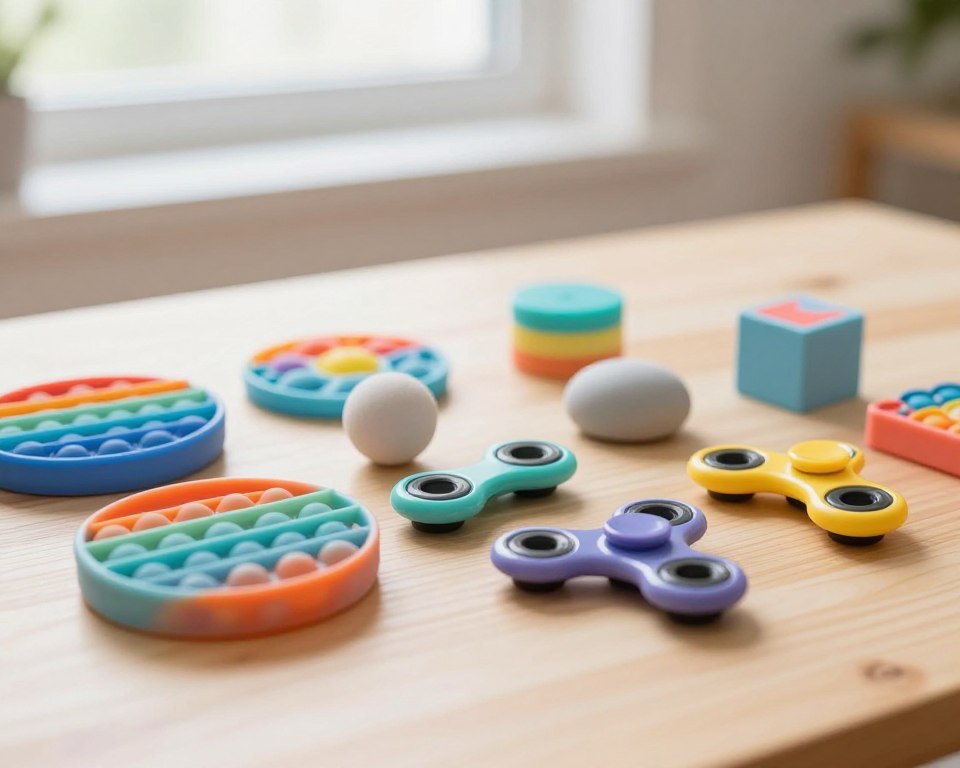
Silicone Magnetic Fidget Balls – Smooth and Under-desk Friendly
Our top all-around pick is the Silicone Magnetic Ball set. The soft coating creates a luxurious feel and eliminates all clicking noise.
Your child can roll them in their hands or connect them into shapes. They are perfect for discreet use under a desk during homework.
ONO Roller Handheld Fidget – For Focused, Click-free Movement
The ONO Roller offers constant, soothing motion. Two connected rollers glide back and forth silently in the palm.
This repetitive action is fantastic for calming nerves and sharpening focus. It provides a healthy outlet for fidgety hands without any distracting noise.
Other stellar options include mess-free putty for deep pressure and spinners for a mesmerizing spin. Each tool is rated 5/5 for silence and designed for real home use.
These fidget toys deliver the calm, focused environment your family deserves.
Choosing the Right Quiet Fidget: A Guide for Parents and Teachers
Navigating the world of supportive tools for focus can seem like a maze of choices. With so many options, how do you make the right selection? This simple guide will help you find the perfect match for your unique youngster.
Considerations for Classroom and Home Use
First, think about your child’s sensory preferences. Do they seek smooth motion, visual engagement, or deep pressure? Matching the tool type to this need is key.
The primary setting matters greatly. What works for relaxed play might not fit a shared learning space. For school, look for discreet, one-handed options that stay below desk level.
Always check age and safety guidelines. Younger kids need larger items without small parts. This ensures safe exploration.
Teachers can set clear rules for classroom use. Establish that these are tools, not toys. Helpful guidelines include:
- Use the fidget in one hand only.
- Keep it below the desk or in your lap.
- No trading or throwing.
- Put it away if it makes any noise.
For children with specific needs, consulting occupational therapists is wise. These professionals offer targeted recommendations.
Start with one or two types and see what your child naturally uses. The right quiet fidget is the one they reach for that provides real support.
Integrating Sensory Toys into Everyday Home Play
Think of sensory support as another helpful item in your family’s toolkit, like a favorite bookmark or a comfy chair. You can weave these focus aids into your existing routines with just a little creativity.
Creative Ways to Introduce Sensory Tools
Start simple. You might create a “focus basket” near the homework spot with a few quiet options. Tuck a smooth roller into a backpack as a concentration companion.
Frame these tools positively from the start. Explain to your child that they are special helpers, used by lots of kids and grown-ups. This builds confidence and encourages proud use.
Set clear, simple guidelines together. Decide these items live in a special place when not in use. They come out during focused time, like reading or homework, and stay in their own hands.
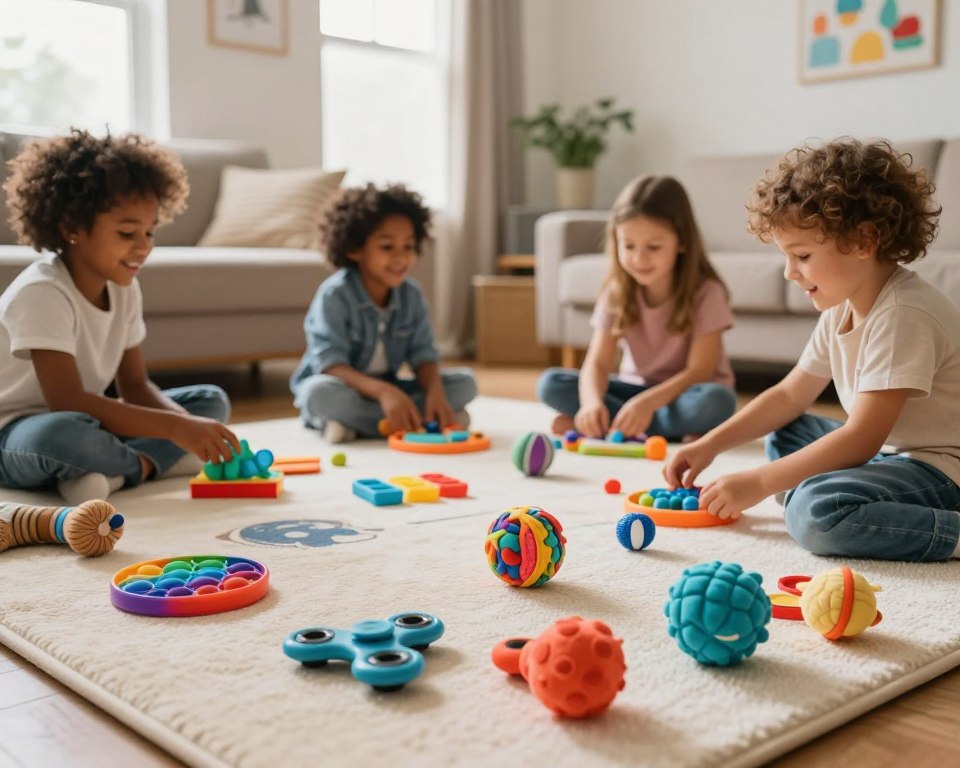
Maximizing Engagement with a Variety of Textures and Movements
The real magic happens when you offer a variety of textures. Some days, your youngster will crave the smooth glide of a roller. Other times, they’ll need the firm resistance of putty.
Having options ensures they access the precise tactile input their system seeks. This variety covers the full spectrum of sensory needs.
Involve your child in the process. Let them help choose which tools to try. Ask how each one feels. This collaborative way teaches valuable self-awareness.
Build a simple toolkit with different feels:
- Smooth: silicone balls or polished stones.
- Bumpy: textured strips or koosh balls.
- Firm resistance: thick putty or tight magnets.
- Soft squish: stress balls or craft pom poms.
Effective support doesn’t require a big investment. Simple items like linked paperclips or beads on a pipe cleaner provide wonderful input. For more on the sensory benefits of natural materials, explore our resources.
Imagine your child automatically reaching for their favorite helper when tackling a challenge. That’s the beautiful goal—where sensory support becomes a natural, empowering part of daily play.
Conclusion
You’ve just uncovered a world of simple, silent tools that can profoundly change your child’s daily experience. These are more than passing trends; they are meaningful aids for focus and self-regulation.
Every youngster deserves access to the tactile input their unique system needs. With the right quiet fidget, you provide this support without disrupting your peaceful home atmosphere.
From smooth rollers to magnetic fidgets, each type offers distinct benefits. They help maintain attention during homework and lower feelings of stress. These tools are portable and fit easily in a pencil pouch or desk drawer.
Choosing the right one is a personal process. Consider your child’s preferences and the primary environment, like school or shared spaces. An occupational therapist can offer valuable guidance.
Start with one or two items. Observe what your youngster naturally uses. This small step can lead to big improvements in concentration and confidence.
You’re investing in your child’s ability to understand their needs and thrive. The calm, focused child you envision is within reach.