Does your living room floor sometimes look like a plaything explosion zone? You’re not alone. Many parents feel overwhelmed by the sheer volume of stuff their little ones accumulate.
Here’s a surprising fact. The average child owns a staggering 238 play items. Yet, studies show they regularly engage with just 12 cherished favorites. That’s only 5% of their entire collection!
This isn’t about taking things away from your kid. It’s about a gentler, more purposeful method. The Montessori philosophy helps transform chaos into calm. It creates space for deeper focus and more meaningful play.
This approach benefits everyone in your home. It leads to less frustration for you and more engagement for your child. You’re about to learn practical steps you can start today.
No perfect systems or expensive bins are required. This journey is about intention, not deprivation. Let’s build a peaceful environment where your little one can truly thrive.
Key Takeaways
- The average child has hundreds of playthings but only uses a handful regularly.
- A Montessori-inspired method focuses on creating purposeful, not empty, spaces.
- Reducing clutter can increase your kid’s ability to focus and engage deeply.
- The process is gentle and collaborative, not about rigid rules or taking away treasures.
- You can start implementing simple, practical strategies immediately, regardless of your current situation.
- This approach aims to reduce overwhelm for parents and create a calmer home environment.
- It’s a journey towards intentionality that supports your child’s natural development.
Understanding the Montessori Philosophy for Decluttering
At the heart of this method lies a simple, powerful idea: a child’s surroundings deeply influence their inner world. A predictable, organized space helps a young mind feel secure and capable. It’s the foundation for meaningful exploration.
The Importance of Order and Purpose
When everything has a designated place, children understand their environment. This external order fosters internal calm.
Each item in a prepared space serves a clear intention. It might build fine motor skills or encourage problem-solving. There’s a reason behind what stays, which helps you curate a selection for truly purposeful play.
Benefits for Child Development
Too many playthings create visual noise. This overload makes it hard for kids to focus on any single activity.
A curated selection cuts through the clutter. It allows for deep, sustained engagement. This approach nurtures critical skills like concentration and creativity.
Children also learn to care for their belongings and make choices confidently. They build executive function—planning and self-regulation.
Ultimately, this way supports overall child development. You’ll notice calmer children and longer attention spans. It’s about removing obstacles so the joy of play can truly shine.
Assessing Your Child’s Toy Collection
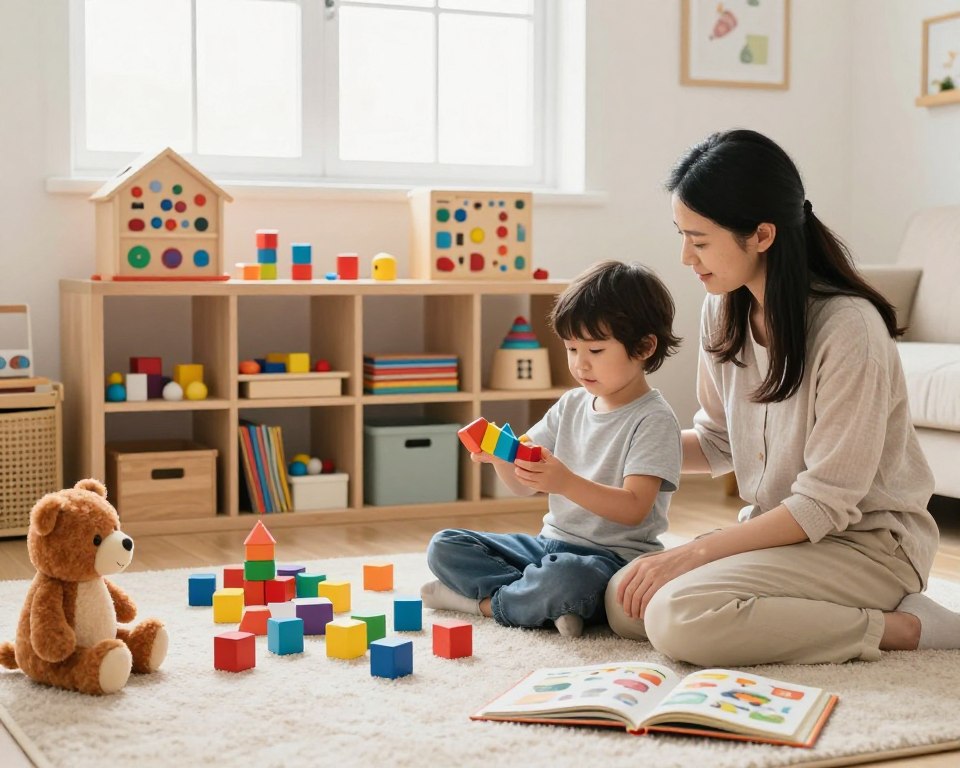
Before moving a single thing, spend a day or two simply watching. Notice which playthings your little one naturally reaches for. This gentle observation is your first, most powerful tool.
Identifying Favorites and Overlooked Items
Watch for the toys that inspire deep, focused activity. These cherished items are the core of a meaningful collection. Which ones get played with the most? Make a mental note of them.
Now, look for the others. Some might be gifts that sparked guilt, not joy. Others haven’t been touched in months. It’s okay to let these go. Ask yourself: Is this still right for my child‘s current stage?
For older kids, make it a conversation. Ask what they love and what they might share. This isn’t a one-time task. As interests grow, regular check-ins keep the play space fresh and engaging for everyone.
Key Steps in Montessori Toy Decluttering
Taking the first physical step can feel daunting, but breaking it down into clear stages makes it manageable and even rewarding. This hands-on phase transforms your observations into a serene, purposeful environment.
Gathering All Toys in One Space
Start by bringing every plaything into one room. Collect items from closets, under beds, and storage areas around your house. Seeing the entire collection together is often a powerful motivator to truly declutter.
If the pile seems too large, tackle one category at a time. Gather all books first, then building sets. This makes the process feel less overwhelming.
Sorting Toys by Category and Condition
Set out several baskets or bins on the floor. Begin grouping similar objects together. Place dolls with their accessories, blocks with other construction materials.
As you sort, check each item’s condition. Look for broken parts, missing pieces, or safety issues. This helps you decide what to get rid of immediately.
Deciding What to Keep, Donate, or Discard
Now, make thoughtful choices. Ask: “Does my child love this? Is it broken beyond repair?” Let go of things that no longer serve your family.
Be honest about gifts that spark guilt. Cherished, open-ended items stay. Others can find new homes through donation, creating more intentional space for play.
Effective Toy Rotation and Display Techniques
The secret to a perpetually interesting play environment might just be hiding in your closet. A strategic toy rotation system keeps your space organized and your little one engaged. It allows them to rediscover cherished items as if they were brand new.
Creating a Rotation Schedule That Works
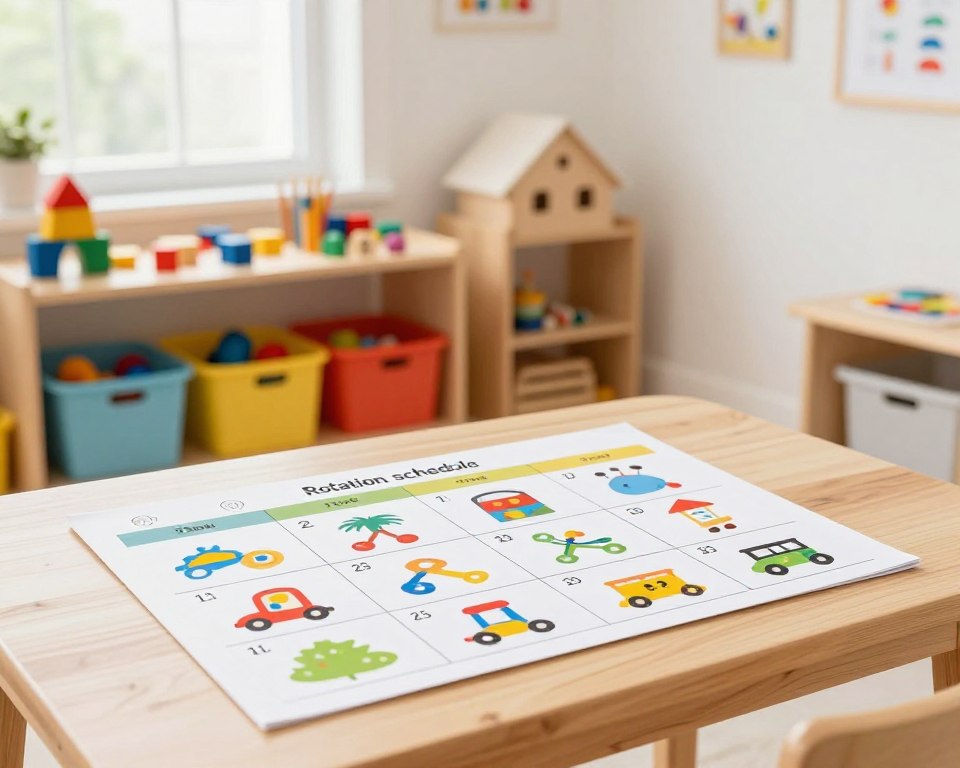
Start with a simple schedule that fits your family rhythm. You might swap items every week or every other week. The key is consistency.
Keep only 6 to 12 playthings accessible at any time. Store the rest in a designated closet or bin. Organize these stored toys by category, season, or skill level. This makes swapping them out a quick task.
Follow your child‘s natural interests. If they love animals this month, bring out those figurines and books. Next time, rotate in vehicles or art supplies. Seasonal rotation connects play to the real world—think sand tools in summer.
Showcasing Toys in an Organized Manner
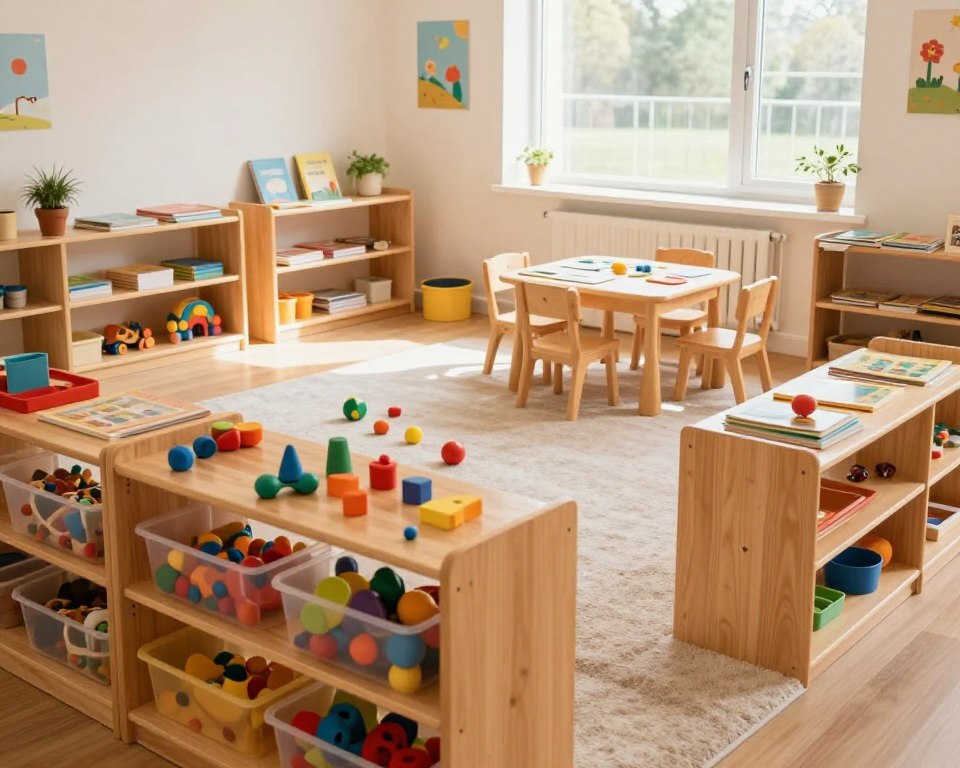
How you place items matters just as much as which ones you choose. Use low, open shelves in your living room or play area. This allows your kid to see all their options clearly and choose independently.
Display each activity complete and ready for use. Put a puzzle with all its pieces in a nearby basket. Keep art supplies together with paper. This invites immediate, focused play.
For large sets, like building blocks, put out a smaller portion. Rotate different pieces later to renew interest. This method reduces overwhelm and sparks creativity. Your child will engage more deeply with each item in its place.
Implementing Practical Storage and Organization Solutions
Creating a calm and inviting play space doesn’t require a big budget or perfect systems. It’s about using what you have in a thoughtful way. Simple storage tips can turn any room into a functional, beautiful area for your child.
Utilizing Bins, Baskets, and DIY Ideas
Look around your home first. Repurpose shoebox lids as trays. Use old vegetable baskets for holding blocks. Open bins let kids see their options easily.
This approach is wonderfully budget-friendly. Visit local thrift stores for affordable baskets and containers. You don’t need to replace all plastic items. Start with what you own and add thoughtfully over time.
Setting Up Accessible Play Areas
Place a low, open shelf in your living room or a dedicated corner. This gives your little one independent access to their cherished items. Ensure everything has a designated place.
Set up complete activities on trays. A puzzle with all its pieces stays together. This makes clean-up straightforward for everyone. Encourage a nightly reset habit to return toys to their space.
Remember, the goal is functional storage, not a perfect “shelfie.” Observe what works for your family. These simple tips help set the stage for focused, joyful play every day.
Conclusion
The true reward of this journey isn’t just a tidier space, but a more joyful family dynamic. You’ll notice less mess and more focused playtime. Your kids will engage deeply with their cherished items.
Remember, this isn’t about perfection. It’s about being intentional with what stays in your home. Even regular playthings can become powerful learning tools when grouped with purpose.
View this as an ongoing practice. As your child grows, continue observing and rotating their collection. This work takes time, but the payoff is immense.
You’re giving your children invaluable gifts: the ability to focus, the freedom to choose, and the skills to care for their belongings. Trust your instincts—you know what brings your family joy.
Start small. One basket or one shelf can shift your home’s atmosphere. Embrace the idea that less truly creates more meaningful moments together.