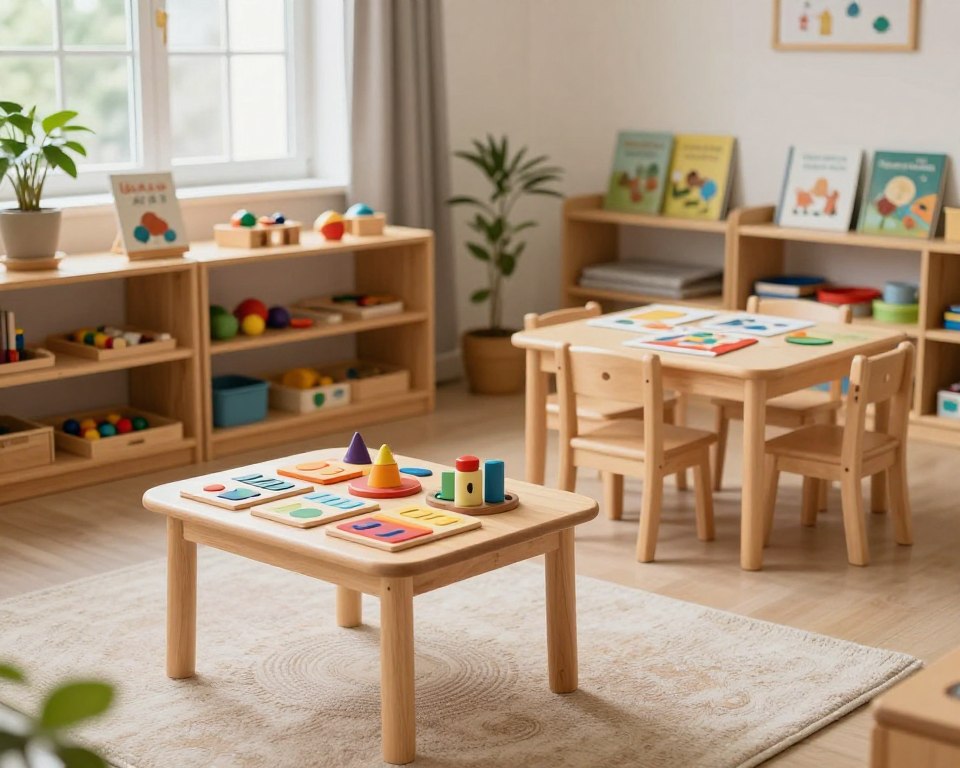
What if the place where your child plays could become a cornerstone for their confidence and curiosity?
Many families dream of a calm, engaging area that nurtures a little one’s natural drive to learn. Yet, most play spaces end up cluttered and overwhelming—for both kids and parents.
A thoughtfully designed environment changes everything. It turns chaotic moments into opportunities for focused discovery. This approach isn’t about buying more stuff.
It’s about creating a setting where your youngster feels capable and inspired.
You might feel unsure where to start. That’s completely normal. The good news is that you don’t need a perfect or expensive overhaul.
Simple, intentional choices can make a huge difference. This guide will walk you through practical steps. You’ll learn how to arrange your home to support independence and joyful exploration.
Whether you have a dedicated playroom or just a cozy corner, these ideas will work for you.
Key Takeaways
- A well-prepared play area fosters your child’s independence and concentration.
- Simplicity and order are more important than the number of toys available.
- You can adapt these principles to any space in your home.
- Focus on creating an environment that encourages hands-on exploration.
- This setup helps transform playtime into meaningful learning experiences.
- You don’t need to spend a lot of money to create an effective space.
- The goal is to build a place where your little one feels empowered and secure.
Understanding the Montessori Approach
Dr. Maria Montessori observed something magical about how young minds grow. She saw that kids thrive in places built just for them. This philosophy believes your little one is a capable, curious explorer.
Emphasizing Simplicity and Order
Clutter can overwhelm a young brain. A calm, organized environment helps your child focus. It turns random play into deep concentration.
You don’t need many items. Offering just 8-10 activities at a time is powerful. This limited selection allows your child to master skills instead of feeling distracted. Everything has its own special place.
Fostering Independence Through Environment
Think about putting shelves and materials right at their level. When your youngster can reach everything, they make their own choices. This builds confidence and responsibility.
They learn to start an activity and put it away. You’ll notice longer attention spans and less frustration. The best part? Watching them accomplish things all on their own.
Essential Elements for montessori toy room setup
The foundation of an empowering play area lies in two key principles: accessibility and intentionality. When you get these right, your child feels capable and inspired to explore.
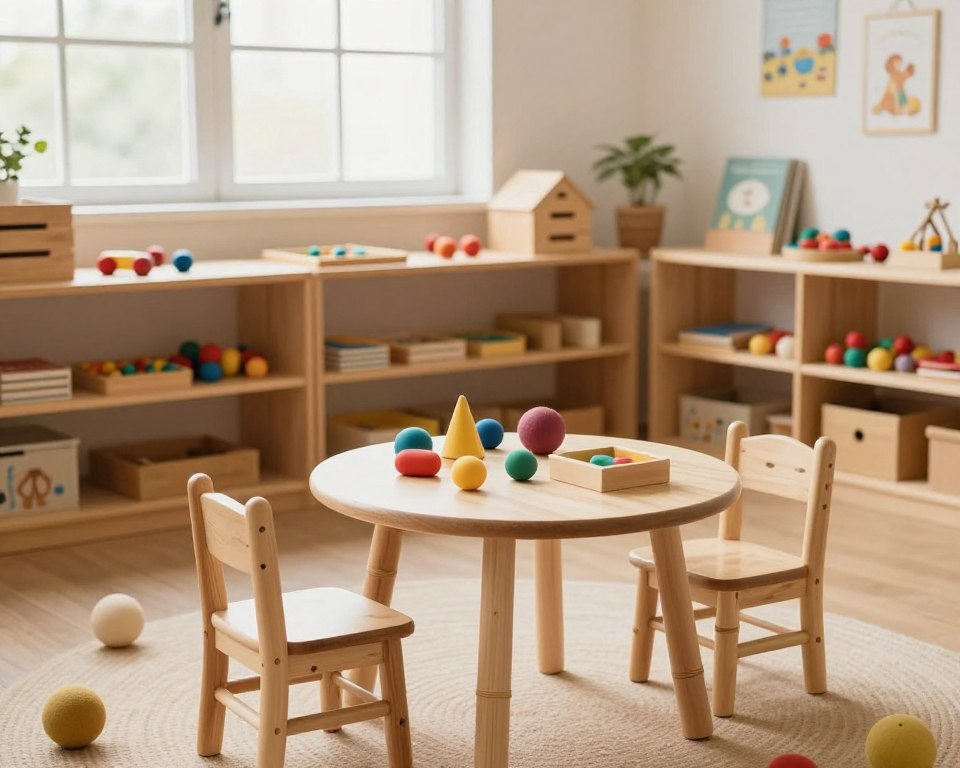
Child-Sized Furniture and Accessible Shelves
Small tables and chairs send a powerful message. They tell your little one, “This space is yours.”
Everything they need should be within easy reach. This simple shift builds immense confidence.
Low, open shelves are just as important. They let your child see all their options clearly. This reduces frustration and supports thoughtful choice.
Kids learn to select an activity and return it when done. It fosters a wonderful sense of ownership from a young age.
Natural Materials and Limited Toy Selection
There’s a special magic in wooden puzzles and fabric items. These natural materials offer rich sensory experiences. They are also durable and kind to our planet.
If budget is a concern, don’t worry. Thoughtfully chosen plastic items or DIY projects can work beautifully. The key is purpose, not price.
Limiting the number of toys is a game-changer. Offering just 8-10 activities at a time encourages deeper, more focused play. It prevents overwhelm.
Every item should have a clear role. Consider including:
- Puzzles for problem-solving skills.
- Practical tasks for building independence.
- Art supplies for fine motor development.
- Musical instruments for creative expression.
- Open-ended blocks for imagination.
This intentional curation turns every object into a treasured tool for learning.
Creating an Organized and Engaging Space
The secret to a peaceful and stimulating play space isn’t more stuff—it’s smart organization. When you manage the number of items and give each one a home, you create an environment where your child can truly thrive.
Toy Rotation and Purposeful Display
Instead of displaying every activity you own, curate a special selection. Try a toy rotation system. Rotate toys about once a week.
Keep out the ones your youngster is mastering. Store others out of sight. This simple rotation makes old favorites feel new again. It encourages deeper, more focused play.
Always arrange these treasures on open shelves at their level. A beautiful, accessible display invites independent exploration far better than a jumbled box.
Establishing Consistent Order and Routine
Kids flourish with predictability. Give every puzzle, book, and art supply a designated place. Use labeled containers to sort different types of toys.
Designate areas for quiet time, building, and creative projects. This fosters a wonderful sense of order.
Make tidying up a natural part of your daily rhythm. Your little one will gain confidence knowing where things belong. You’ll spend less time searching and more playing together.
Incorporating Developmental Benefits
Beyond neat shelves and beautiful materials, your prepared space actively builds your little one’s strength and coordination. This is where the real magic happens—supporting every aspect of your child’s growth through purposeful play.
Boosting Fine and Gross Motor Skills
Gross motor skills are the big movements. Think crawling, climbing, and jumping. These actions build core strength and confidence.
You can nurture this even in a smaller area. Leave open floor space for movement. Add a simple climbing arch or use soft cushions they can safely rearrange. These elements turn your environment into a gym for exploration.
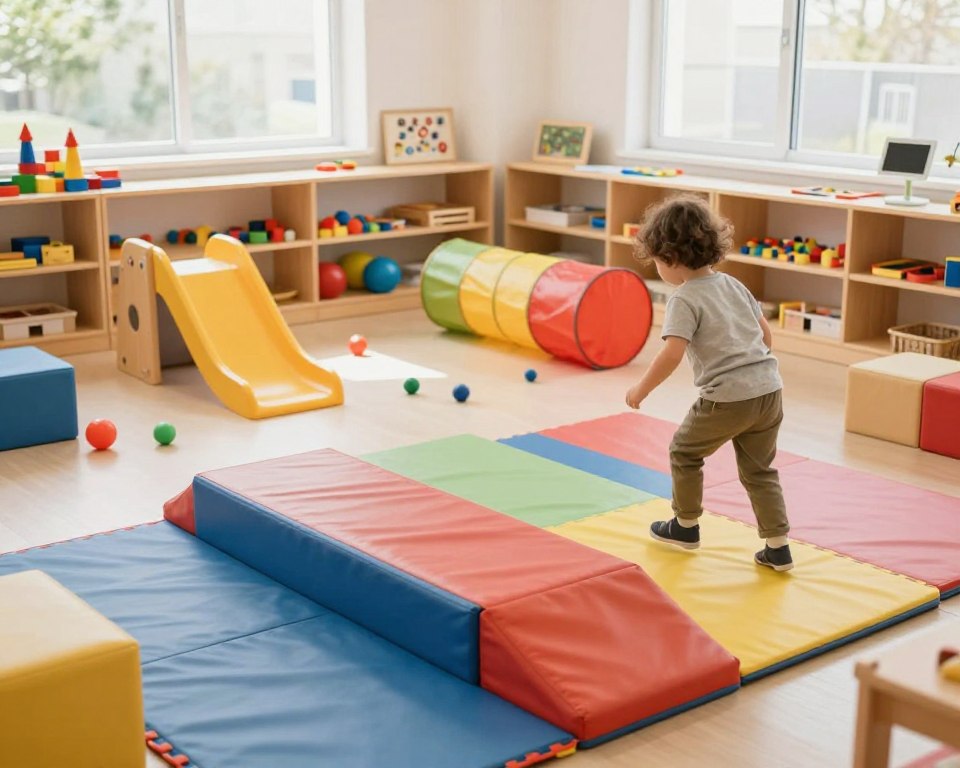
Fine motor skills involve precise finger and hand control. They are the foundation for future tasks like writing and dressing.
Your curated selection naturally develops these abilities. Puzzles refine the pincer grasp. Threading beads improves hand-eye coordination. Art supplies and practical tasks, like pouring or scooping, build grip strength and control.
This variety ensures holistic development. The focus from a puzzle builds patience for buttoning a shirt. The balance from climbing helps navigate a playground. Trust that with the right activities, your child’s natural drive to master new skills will shine.
Practical Setup Tips and DIY Ideas
You’ve gathered the ideas; now it’s time to roll up your sleeves and bring them to life in your own home. Let’s turn those principles into a real, functional area your child will love.
Start with a blank canvas. Clear out all the clutter from your chosen space. Remove outgrown items and anything that doesn’t serve a clear purpose. This fresh start is essential.
Step-by-Step Guide to Arranging Your Space
Bring in child-sized furniture. A small table and chairs let your little one work comfortably. Position them to create open flow, not pushed against walls.
Install low, open shelves at your child’s eye level. This makes every activity inviting and accessible. Ensure they are sturdy and safe.
Now, sort your existing playthings. Group puzzles, building materials, and art supplies together. Choose about 8-10 engaging items for your first rotation.
Create distinct zones even in a small area. Designate a quiet corner for reading. Have a table for focused work and open floor space for movement.
Get creative with DIY projects. Build simple floating shelves from lumber. Make a sensory bin from rice and containers. These projects add personal touch without high cost.
Finally, add warmth and light. Maximize natural light by keeping windows clear. Add a cozy rug, a plant, or child-height artwork. This creates a peaceful play environment you both will enjoy. Remember, this place will evolve—perfection isn’t the goal.
For more inspiration on selecting calming, natural play materials, explore our dedicated resources.
Conclusion
Remember, there’s no single blueprint for success when designing a space that nurtures your child’s growth. You now have the knowledge to create a beautiful, functional area that supports development and independence.
Watch the real magic unfold as your little one explores. Notice what captures their attention during play. Then refine the environment to match their evolving interests.
Start with just one or two principles if you feel overwhelmed. Reducing clutter or adding accessible shelves makes a noticeable difference in how they engage.
You’re investing in so much more than organization. You’re fostering confidence and life skills. This intentional place nurtures their natural love of learning during these precious early years.