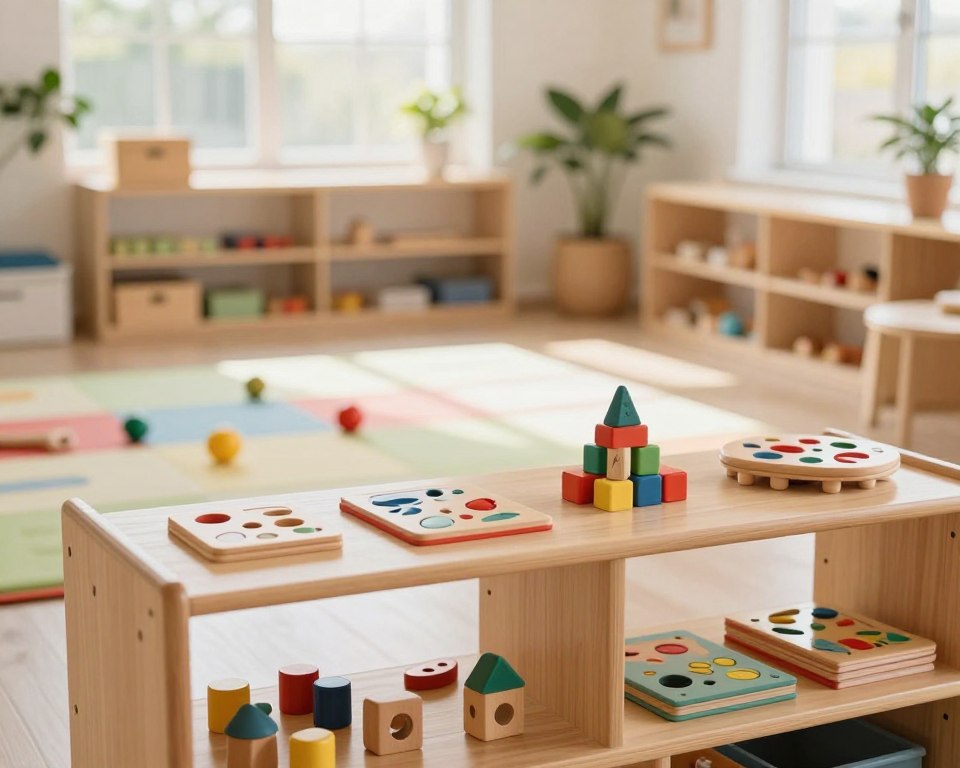
What if the chaos of playtime could actually teach your child responsibility and joy?
We’ve all been there. Your little one’s room is a landscape of creativity—and clutter. Those beloved playthings spark imagination, but keeping them sorted can feel like a never-ending task.
This isn’t just about finding a place to put things. A Montessori approach to organization is different. It’s a thoughtful method that nurtures your kid’s independence and love for learning.
Imagine walking into the playroom. Items are beautifully displayed and easy to reach. Everything has a home. This order invites exploration and calm, instead of overwhelm.
The right system transforms more than just your space. It changes the entire feel of playtime, making it more intentional and beneficial for your children.
This guide is here to help. We’ll explore practical ideas and considerations. You’ll discover how to create an inspiring, organized area where your family can thrive.
You’re making a wonderful choice. Investing in a child-centered environment honors their development and brings peace to your home.
Key Takeaways
- Effective organization can turn playtime chaos into a learning opportunity for children.
- A Montessori-inspired system focuses on fostering independence and responsibility in kids.
- An organized, accessible play space promotes calm and encourages exploration.
- The right storage solutions enhance the quality and intention behind play.
- Creating a child-centered environment benefits the entire family’s daily experience.
- This guide will provide practical ideas to help you build a functional and inspiring space.
The Advantages of Montessori Wooden Toy Storage
Transforming clutter into clarity isn’t just about tidying up—it’s about shaping how your little one learns and grows. This approach offers profound benefits for your family’s daily life.
Creating an Organized and Inspiring Playroom Environment
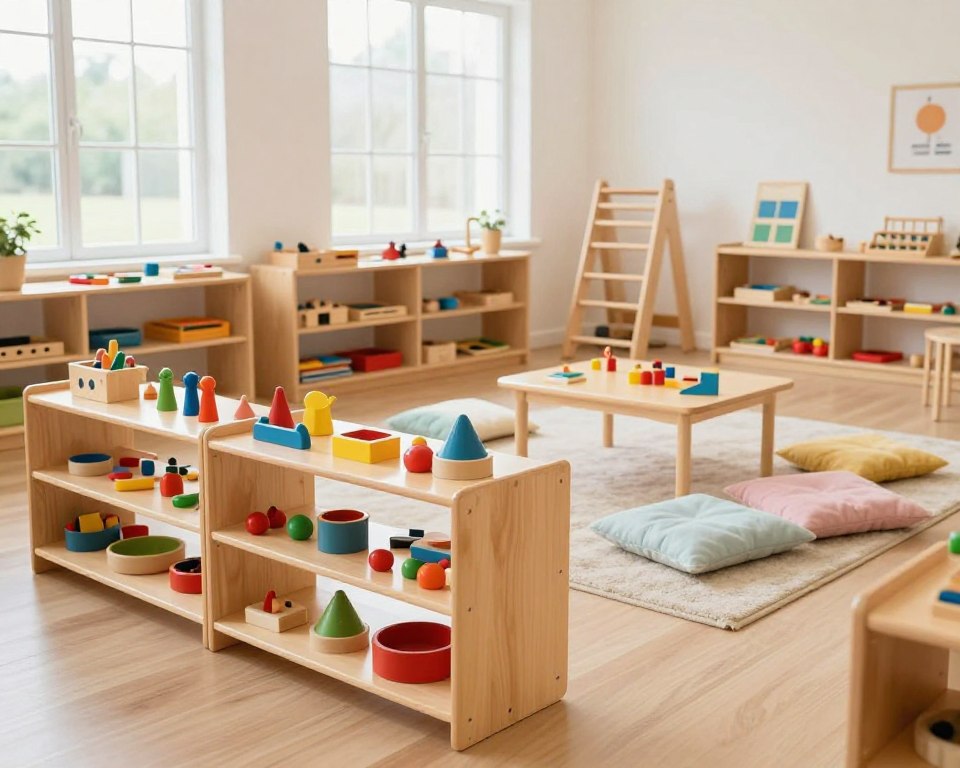
Imagine a room where every item has a dedicated spot. Low, open shelves let kids see their choices easily. This reduces visual noise and helps them focus on one activity at a time.
Intentional displays encourage deeper engagement. Children can select what interests them without frustration. This calm setting sparks creativity and makes play more meaningful.
Fostering Independence and Responsibility Through Toy Organization
Accessible systems empower even toddlers. They can reach for playthings and return them independently. This builds confidence and self-sufficiency from an early age.
Cleanup becomes a natural part of the routine. Kids learn to care for their belongings and respect their space. These habits teach responsibility that lasts a lifetime.
- Promotes focus and reduces overwhelm
- Empowers children to make their own choices
- Builds lasting habits of care and respect
Selecting the Perfect Wooden Toy Organizer for Your Child
The search for a great storage solution feels like a big decision, but focusing on a few key principles makes it much simpler.
Accessibility and Simplicity: Key Factors to Consider
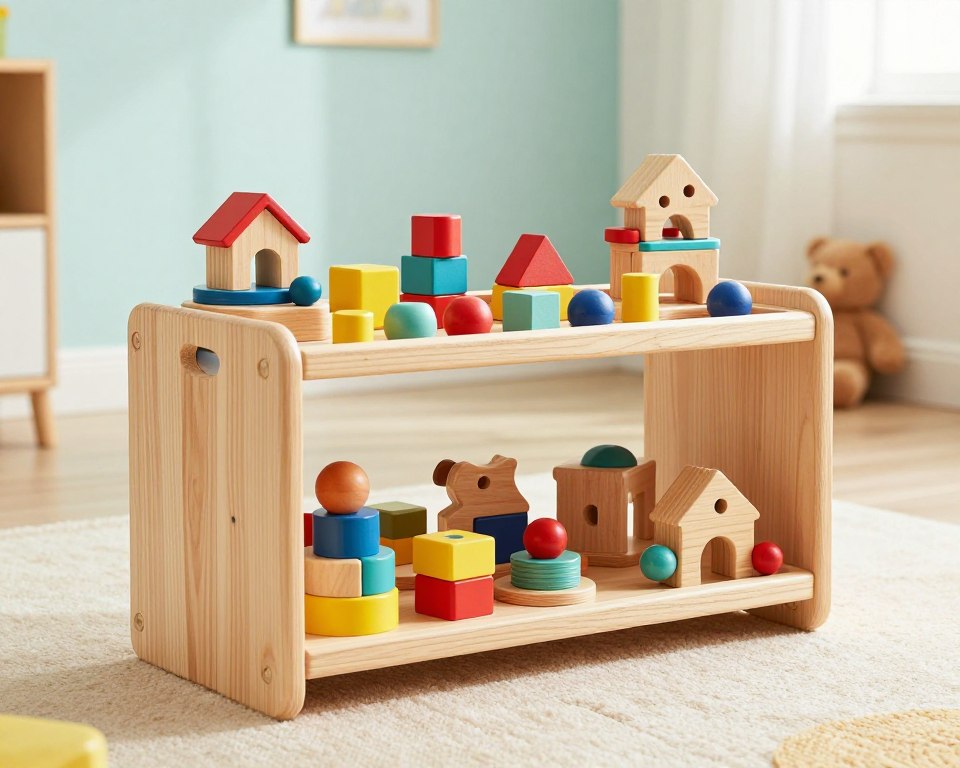
Think about height first. A low shelf lets your child see and reach every item without help. This builds confidence from the start.
Clean design matters just as much. An uncluttered organizer helps kids focus on play, not on complicated furniture. Simple layouts are calming and effective.
Choosing Eco-Friendly and Durable Materials
Natural wood is a standout choice for good reason. It’s incredibly sturdy and safe, offering the timeless quality that makes a montessori toy so special.
Look for pieces finished with non-toxic, water-based treatments. This ensures safety for curious little hands and mouths.
The right piece adapts. A well-made organizer should hold baby rattles today and art supplies tomorrow. It grows with your child.
Check customer reviews for notes on stability and smooth edges. A higher price often reflects an investment in furniture that lasts for years, becoming a cherished family item.
Choosing this way supports a healthier home and a healthier planet. It’s a choice that aligns with values of sustainability and thoughtful consumption.
Incorporating Montessori Toy Storage in Various Home Spaces
Think about the different areas where your family lives and plays; each one holds potential for a more organized and engaging environment.
Enhancing Playrooms, Nurseries, and Shared Areas
In a dedicated playroom, low shelves create distinct zones for reading, art, and building. This setup encourages deep, focused play.
For nurseries, a slim shelf keeps bedtime books within reach. A small organizer with bins can hold essentials, maintaining calm during late-night routines.
Shared family rooms benefit from pieces that blend seamlessly with your decor. A natural wood bookshelf offers a beautiful place for kids’ treasures without disrupting the room’s flow.
Versatile systems grow with your child. The same shelves that hold blocks today can display books or collections tomorrow.
Conclusion
Seeing your little one care for their belongings with pride is the true reward of thoughtful organization. This system is a gift that teaches lasting lessons about order and respect.
Start with one quality piece that fits your space. While the initial price may be higher, its durability offers incredible long-term value. Reading customer reviews helps you choose a product that works well in real homes.
Imagine your child confidently selecting an item from their shelf and knowing its proper place. This calm, focused play is the goal. For more on understanding the materials used in quality play, explore our resources. Every step you take creates a more peaceful home.