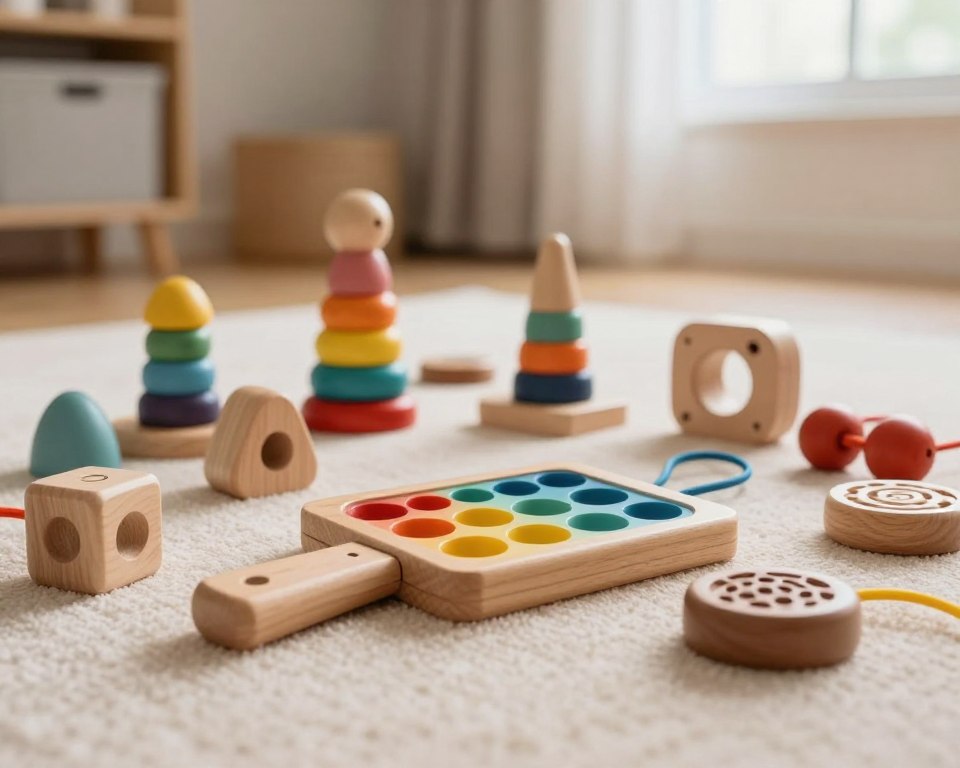
“Play is often talked about as if it were a relief from serious learning. But for children, play is serious learning.” — Fred Rogers
Watch your little one explore. Their hands reach out, touching every surface. They crave new textures and movements. You see the magic as they learn through their senses.
Some kids are sensory seekers. They need objects that fully engage their sight, touch, and sound. These young explorers thrive when they can stack, twist, and feel their playthings.
Natural materials answer this call. They offer varied textures and a satisfying weight. The possibilities for hands-on discovery are endless. Plastic simply can’t compare.
Finding the right items can feel challenging. You want them to be safe, lasting, and educational. You desire pieces that grow with your child, not be outgrown in weeks.
This guide will help. We’ll explore why these materials support sensory growth so well. You’ll get practical tips for choosing perfect pieces. These items can become cherished parts of your family’s play for years.
We want to empower your choices. You can select items that match your values on sustainability and child development. Choosing well isn’t just a purchase. It’s an investment in your child’s imagination and future skills.
Key Takeaways
- Sensory-seeking children learn best through hands-on exploration and tactile experiences.
- Natural, well-crafted playthings provide rich sensory input that plastic often lacks.
- Open-ended design encourages creativity, problem-solving, and STEM skill development.
- Choosing high-quality, sustainable items represents a long-term investment in your child’s growth.
- This guide provides practical knowledge to help you make confident, informed decisions for your family.
Understanding the Benefits of Wooden Toys
What makes a toy not just fun, but fundamentally good for a child’s developing senses and skills? The answer often lies in the material itself.
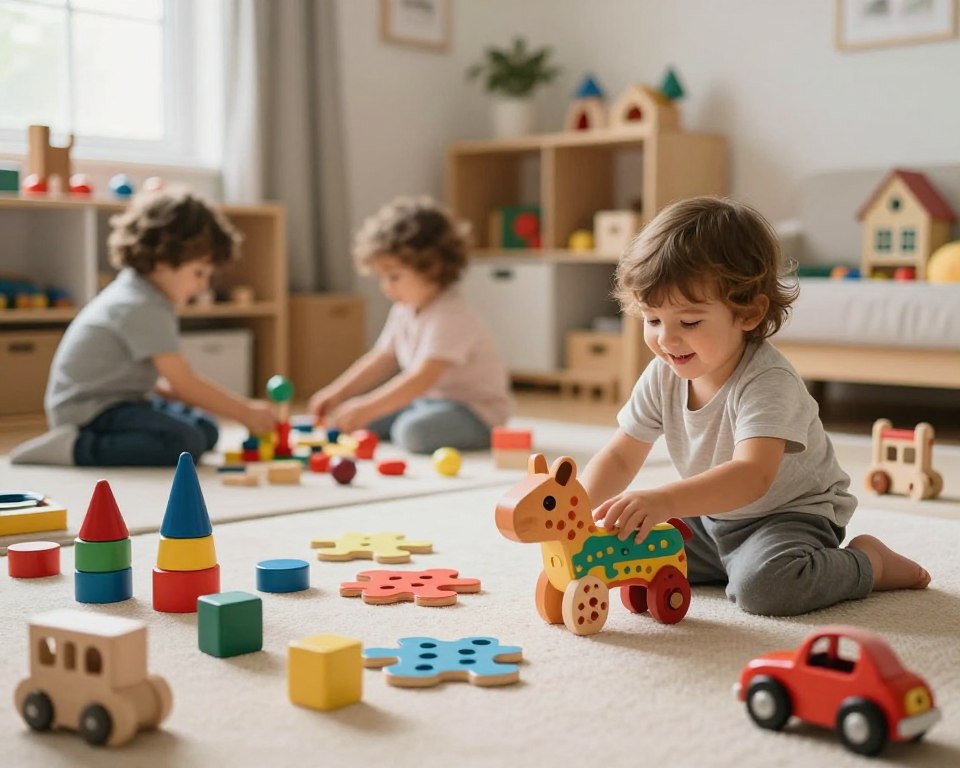
Naturally Engaging Materials and Durability
Natural wood feels warm and substantial in little hands. This material offers a sensory experience that plastic cannot match. Its satisfying weight and smooth finish invite prolonged exploration.
Quality pieces are built to last for generations. They become cherished family treasures, passed down through siblings. Brands like Le Toy Van, with over 30 years of experience, ensure each item is crafted for endurance.
Sustainability is a core benefit. PEFC and FSC™ certifications guarantee wood comes from responsibly managed forests. Some companies even replant every tree used, making your child’s play a gift to the planet.
Boosting Sensory and Motor Skill Development
These items provide rich sensory input through natural grain patterns and firm resistance. This helps children develop proprioception—awareness of their body in space.
Grasping, stacking, and pushing wooden blocks builds hand strength and coordination. This foundational knowledge can be acquired with wooden supports early motor skills. The feedback from manipulating solid objects is ideal for sensory seekers.
Non-toxic finishes and robust construction ensure safety through years of enthusiastic play. You can trust items made by artisans with decades of expertise.
Enhancing Child Development with Wooden Toys for Sensory Seekers
The right playthings do more than entertain—they lay the groundwork for essential physical and mental growth. For little ones who crave rich input, these items build vital abilities through hands-on exploration.
Promoting Fine and Gross Motor Skills
Chunky blocks and shape sorters are perfect for small hands. Grasping and manipulating them strengthens finger muscles and hand-eye coordination. This is the foundation of fine motor skills.
Toddlers develop dexterity by stacking rings or threading beads. These actions require precise control. They prepare children for tasks like writing and buttoning clothes.
Larger items encourage whole-body movement. Push carts, ride-ons, and climbing structures build balance and coordination. This gross motor development is crucial for spatial awareness and confidence.
Fostering Imaginative, Open-Ended Play
These materials have no single purpose. Your child decides if a block becomes a tower, a train, or a treasure. This freedom sparks incredible creativity and problem-solving.
Open-ended play grows with your child. A simple set can entertain for years, adapting to more complex stories and structures. It naturally teaches STEM concepts like balance, gravity, and geometry.
For sensory-seeking minds, this blend of tactile input and intellectual challenge is ideal. It allows for deep self-expression and builds a powerful sense of agency. Their play becomes a true reflection of their growing world.
Selecting the Perfect Wooden Toys: A Buyer’s Guide
The journey to find ideal play materials is guided by three pillars: safety, quality, and the ability to spark imagination. Let’s explore how to choose pieces that will become cherished parts of your child’s world.
Key Considerations for Safety and Sustainability
Start with safety. Look for items meeting the U.S. Toy Safety Standard ASTM. Choose materials with PEFC or FSC™ certification, ensuring wood comes from sustainable forests.
Non-toxic, water-based finishes are essential. They are safe for curious mouths and gentle on our planet. This choice teaches care for the environment through everyday play.
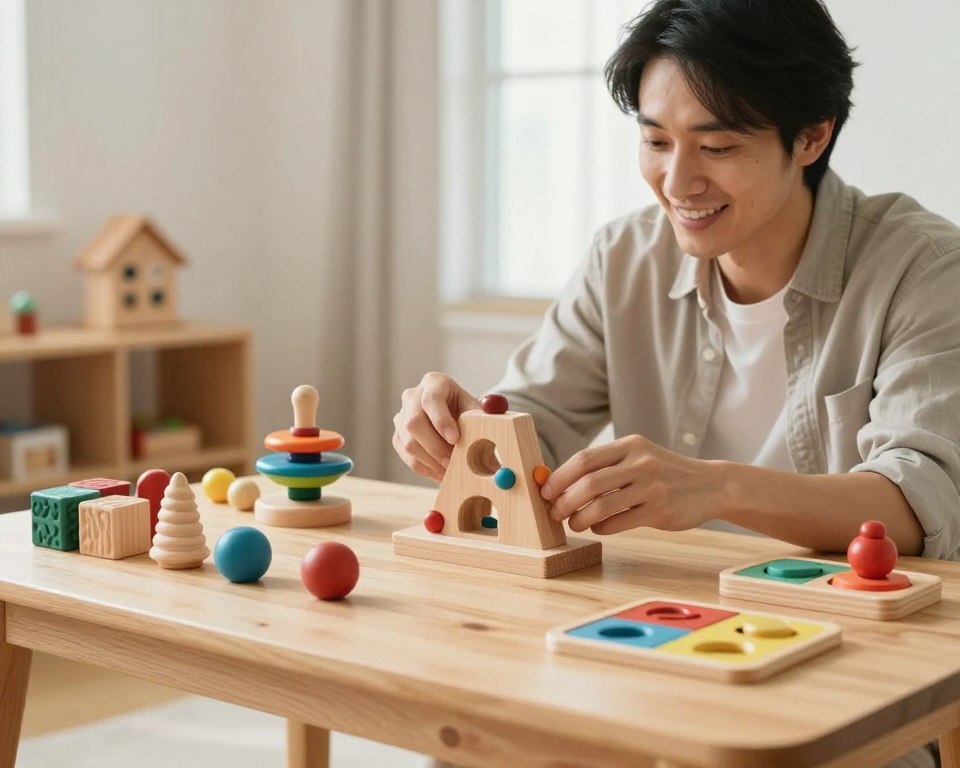
Tips for Engaging and Educational Play
Match items to your child’s developmental stage. Versatile building blocks foster spatial awareness. Wooden stacking animals improve hand-eye coordination.
Montessori-inspired toys designed for independent exploration build confidence. These pieces toys encourage open-ended creativity, becoming whatever your child imagines.
Quality Markers and Material Selection
Inspect for smooth edges and sturdy construction. Pieces should feel solid and not detach easily. Proper sizing prevents choking hazards.
Care is simple. Use a cloth dampened with warm water. For disinfecting, a vinegar mix works well. Avoid harsh chemicals or submerging in water to preserve the finish.
When you toys shop with these criteria, you’re curating a collection of developmental tools. You’re investing in toys years of meaningful growth and joy.
Conclusion
The legacy of thoughtful play begins with the choices we make today. You now understand how these natural materials uniquely support a child’s growth in ways few other options can.
Your decision isn’t about following trends. It’s a values-aligned choice that honors your commitment to quality and our planet. These heirloom pieces, crafted by companies with decades of experience, are built to last for generations.
The foundational skills your little one develops—creativity, problem-solving, motor abilities—will support them for years. With your new knowledge, you can select items with true confidence.
There is deep satisfaction in watching your child engage fully with simple, beautiful playthings. Investing in these pieces is an investment in your child’s development, your family’s values, and a more sustainable future. It’s a choice you’ll feel good about for many years to come.