Maria Montessori once said, “Play is the work of the child.” This simple truth captures the profound importance of the moments you share with your little one.
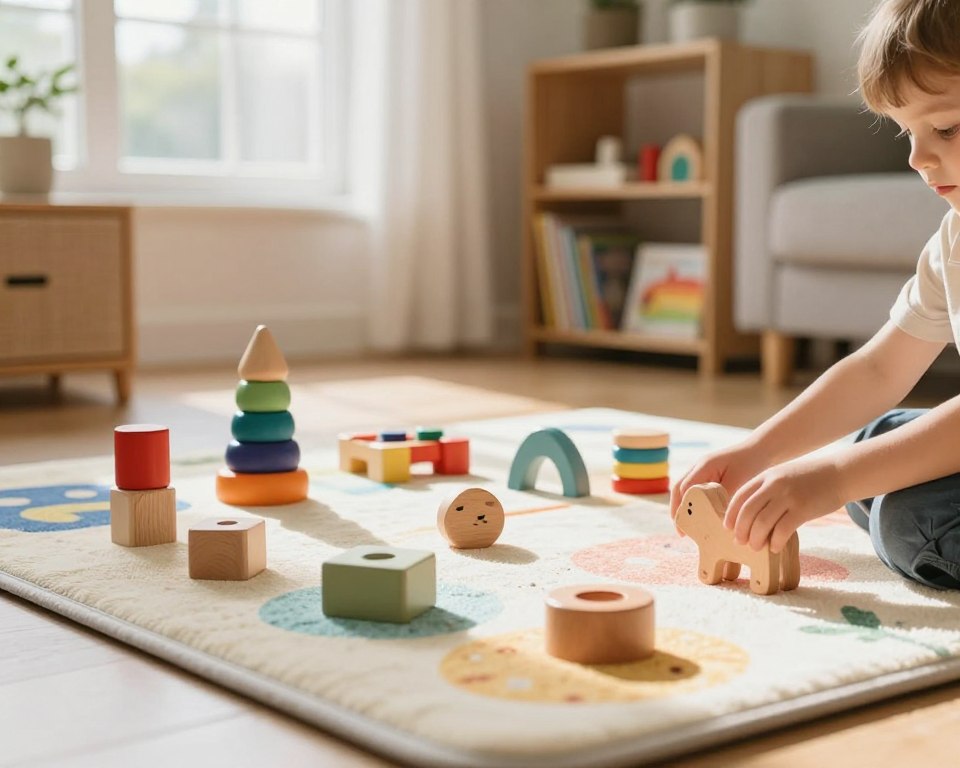
Picture this: your child sits on the floor, completely absorbed by the smooth curves and unique grain of a simple block. There’s a quiet magic in watching them discover the world through touch and sight.
This guide is for you—the conscious parent or educator who values safe, sustainable, and deeply educational solutions. You might feel overwhelmed by the endless toy options. We’re here to reassure you.
Natural materials like wood offer a simple, effective path to enriching your child’s development. They connect young minds to the natural world and provide a safer alternative to plastic.
Throughout this guide, you’ll discover what makes tactile exploration so special. You’ll learn the unique advantages of using heirloom-quality items and get practical ideas for creating engaging moments at home.
You don’t need expensive setups. With a few cherished treasures, you can become an empowered guide in your child’s developmental journey.
These items have been loved for generations. Modern understanding of child development now confirms their timeless value.
For a deeper look at the science, explore the sensory benefits of wooden toys.
Key Takeaways
- Early childhood development is deeply supported by tactile, hands-on exploration.
- Natural materials provide a safe and sustainable choice for conscious families.
- Simple, open-ended items encourage creativity and focus in young minds.
- Creating enriching experiences at home doesn’t require complex or expensive kits.
- You play a central role as a guide in your child’s learning journey.
- Heirloom-quality pieces connect children to the natural world and family heritage.
- Modern child development research affirms the value of traditional playthings.
Discovering the Wonders of Sensory Play
Have you ever watched a young child completely captivated by the feel of a cool stone or the sound of rustling leaves? This instinct to investigate is the heart of all early learning.
Understanding Sensory Play
Simply put, these activities engage your child’s five senses: sight, sound, smell, taste, and touch. They help little ones make sense of their world.
This kind of sensory play builds the neural connections needed for more complex learning later on. It turns everyday moments into powerful opportunities for growth.
Memory, problem-solving, and language skills all get a joyful boost. It’s how children naturally process the information around them.
The Natural Appeal of Wooden Toys
The right materials make this exploration even richer. Natural wooden items are timeless treasures in this regard.
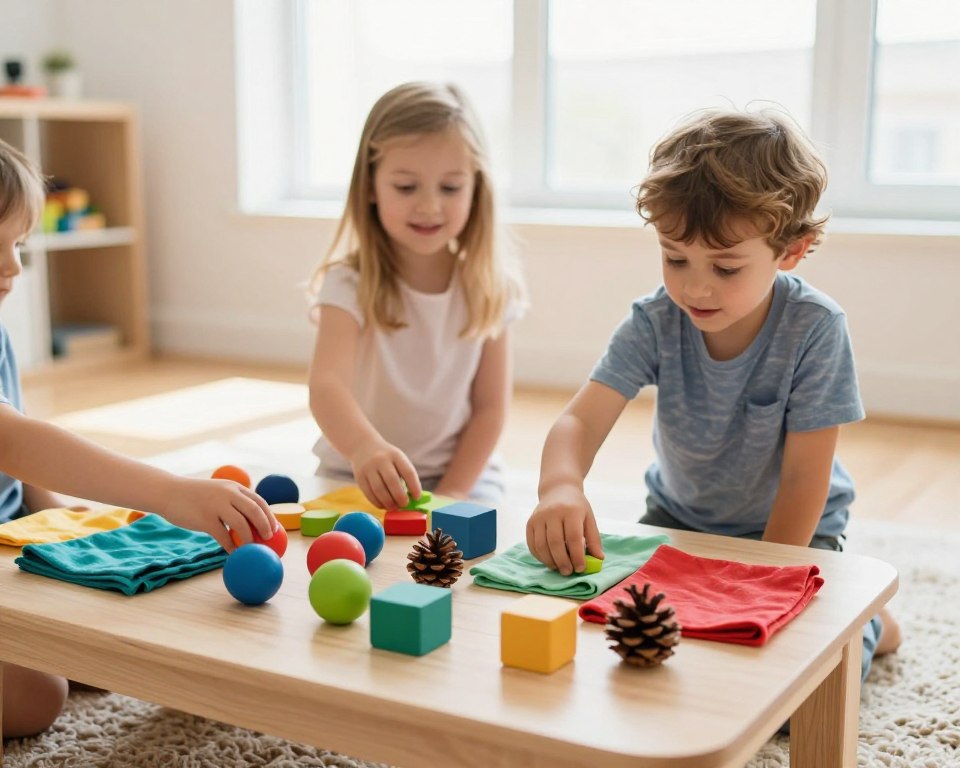
Wooden toys offer distinct textures—from satiny smooth to gently grainy. They feel warm in a child’s hand and can even carry a subtle, earthy scent.
This authentic sensory input is calming. It helps kids develop a sophisticated awareness of different materials and textures.
Choosing these heirloom-quality pieces is a simple, powerful way to support early childhood development with rich sensory experiences.
Benefits of Sensory Play with Wooden Toys
Watching a toddler succeed in fitting a shape into its correct slot is more than just cute—it’s a window into their developing mind. The benefits of this kind of engagement are deep and wide-ranging.
Boosting Cognitive, Motor, and Fine Skills
Their simplicity sparks imagination. Kids become the directors of their own fun, which naturally builds creativity and problem-solving skills.
Handling, stacking, and building with these items teaches spatial awareness. Your child learns about balance, gravity, and how objects fit together.
These actions also hone physical skills. Precise grasping and fitting strengthen fine motor muscles and hand-eye coordination.
Think of activities like:
- Assembling a puzzle
- Threading beads on a string
- Placing pegs in a board
Each one supports cognitive development and motor skills through joyful discovery.
Encouraging Emotional and Social Development
The advantages reach into the heart and soul of how children connect. These durable treasures are perfect for group play.
Sharing them encourages communication, cooperation, and turn-taking. These are foundational skills for healthy relationships.
Because they don’t light up or make sounds, children learn patience. They experiment, cope with small frustrations, and build resilience.
This holistic approach nurtures emotional growth alongside intellectual and physical development. It’s a complete package for your child’s development.
Creating Engaging Sensory Experiences at Home
You don’t need a fancy playroom to foster meaningful learning moments—your everyday space is perfect. With a few thoughtful items, you can craft rich opportunities for discovery right in your living room.
DIY Sensory Activities with Wooden Toys
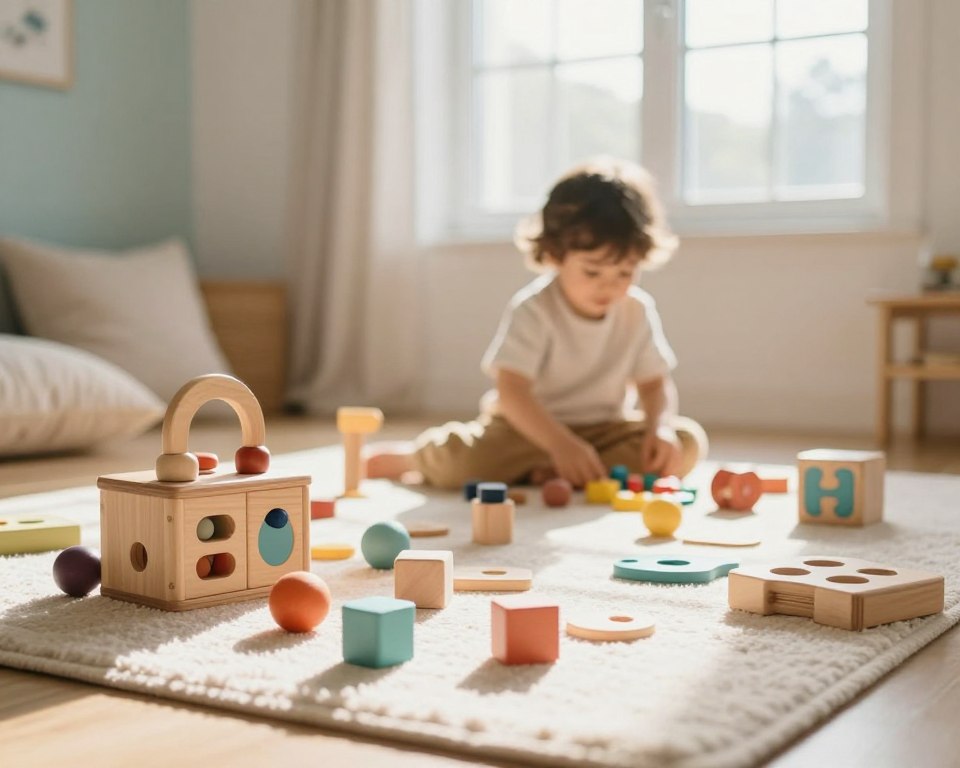
Start simple. Attach different wooden elements to a sturdy base to create a tactile sensory board. This invites little hands to explore varied textures.
Set up a sound station with a wooden xylophone or blocks. These produce gentle, natural sounds when tapped. Combine these treasures with everyday materials like fabric squares or smooth stones.
Such activities engage touch, sight, and hearing all at once. They turn simple exploration into a full-body experience.
Choosing Age-Appropriate Wooden Toys
The right item at the right stage maximizes the benefits wooden toys provide. For toddlers (1-3 years), consider shape sorters and peg boards.
These support emerging fine motor skills. For older children (2-4 years), animal figurines encourage imaginative storytelling.
Always prioritize safety and durability. Look for non-toxic finishes and smooth edges.
Incorporating Play into Daily Routines
Weave these experiences into your day naturally. Keep a basket of wooden blocks near the breakfast table.
Include a stacking ring set in the bath. Create a small, accessible play space with a rotating set of items.
Sit with your child and talk about what they feel and hear. This interactive way deepens the learning. You’re building a foundation for growth through joyful, everyday moments.
Conclusion
Your dedication to fostering a rich learning environment at home speaks volumes. You are committed to meaningful experiences for your child.
Choosing heirloom-quality items is a simple, powerful way to support natural curiosity. It honors your values of safety, sustainability, and quality.
These treasures provide rich sensory stimulation through varied textures and gentle sounds. They boost essential skills like fine motor coordination, problem-solving, and creativity.
They also encourage patience and social interaction in joyful ways. Creating engaging moments doesn’t require complicated setups.
Thoughtfully chosen items, integrated into daily routines, offer countless opportunities for exploration. By selecting these timeless pieces, you’re investing in your child’s development.
You are nurturing a connection to the natural world and preserving authentic traditions. Trust your instincts as you watch your little one explore and grow.
These moments build a profound foundation for lifelong learning.